When we dine out, ordering food should be simple and enjoyable. However, some choices can unintentionally make us look inexperienced or unaware of common restaurant etiquette. These slips happen more often than we think, and they can affect how staff and other diners perceive us.
Knowing which orders to avoid helps us navigate dining situations more confidently and leaves a better impression. Understanding these common ordering missteps can make our restaurant experiences smoother and more enjoyable for everyone involved.
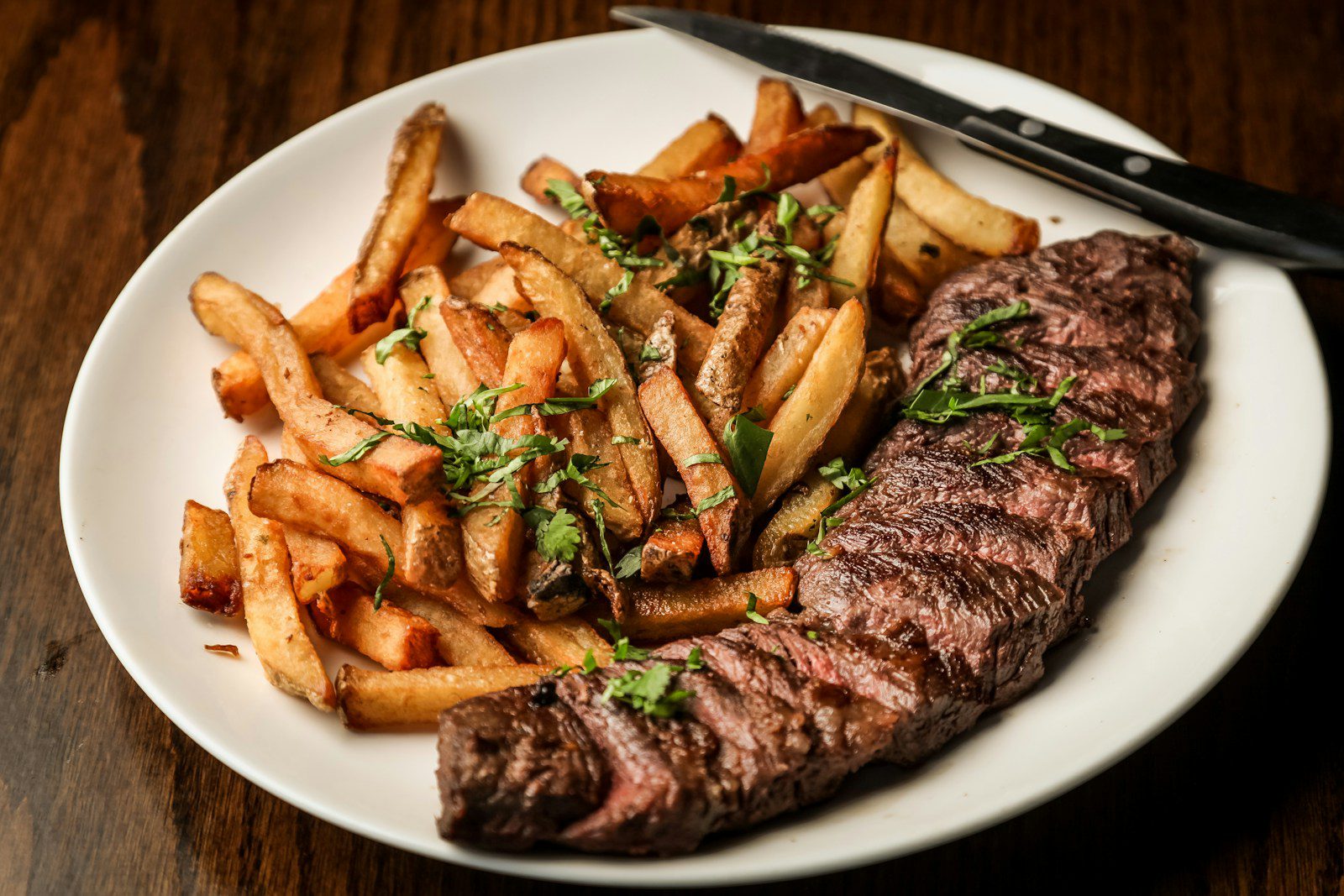
Asking for a “well-done” steak with extra sauce—chefs often see it as ruining the flavor
When we order a well-done steak, we’re already asking for a very different texture and flavor than what chefs typically aim to create. Adding extra sauce can sometimes feel like masking the changes from cooking the meat thoroughly.
Chefs work hard to bring out the natural flavors of the steak. Covering it in extra sauce might overpower those flavors instead of enhancing them. It’s not about rudeness, but it can make the dish lose its intended balance.
If we prefer well-done steaks, it’s good to keep sauces simple or ask for recommendations. That way, we can still enjoy a thoughtful meal without unintentionally dulling the chef’s work.
Ordering an off-menu item without checking if it’s available
We’ve all been tempted to order something special that’s not listed on the menu. But asking for an off-menu item without first checking its availability can put servers in a tough spot. It might not be offered that day, or the kitchen may not be prepared to make it.
Taking a moment to ask politely if the item is available shows respect for the staff’s time and effort. It also helps us avoid awkward moments or disappointment when the answer is no. A quick check makes ordering smoother for everyone.
Demanding quick service for complex dishes, frustrating kitchen staff
We all want our meals fast, but ordering complicated dishes and expecting them to arrive quickly can create problems. Complex orders take more time and skill to prepare, which can slow down the entire kitchen.
When we rush the kitchen staff, it adds stress and increases the chance of mistakes. Being patient helps everyone work better and keeps the food quality high.
Understanding this balance makes dining smoother for us and easier for the team cooking behind the scenes. It’s a win-win when we appreciate the effort that goes into each dish.
Insisting on substituting too many ingredients, complicating the order
When we ask for too many substitutions, it can slow down the kitchen and increase the chance of mistakes. Restaurants often have set recipes to keep dishes consistent and efficient.
We should remember that some ingredients are essential for the flavor or structure of a dish. It’s best to limit changes to what is really necessary and communicate clearly with our server.
Being reasonable about substitutions helps keep our meal enjoyable and the kitchen running smoothly. It shows respect for the staff’s workflow and improves the overall dining experience.
Ordering wine without any knowledge and asking for excessive recommendations
When we walk into a restaurant without any wine knowledge, it’s easy to feel lost. Asking the sommelier for too many recommendations without having a general idea can make us seem indecisive.
It’s better if we share our preferences or the dish we’re ordering. This helps the sommelier suggest a wine that fits our taste and the meal.
We don’t need to memorize every wine term, but having a simple idea makes the process smoother and shows respect for their expertise.