


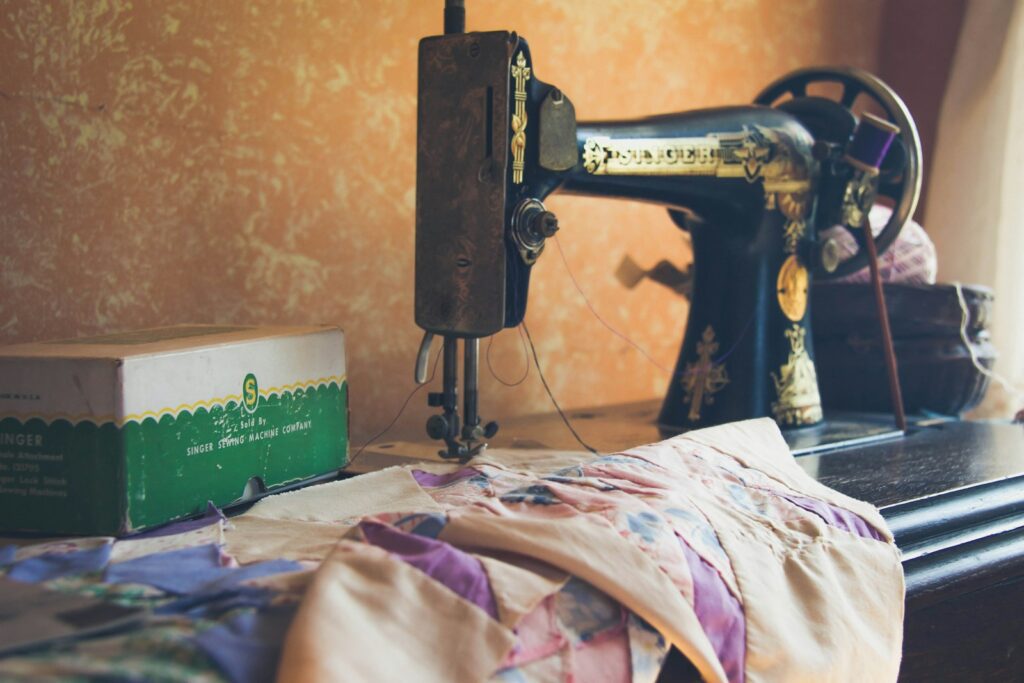
You probably keep a few old sewing items tucked away and don’t realize some of them quietly gain value. You can spot pieces that craft lovers and collectors actively seek, turning ordinary notions into surprising finds worth exploring.
This article guides you through why certain vintage sewing supplies attract attention and where to look for them, from classic machines to mid-century boxes and designer patterns. Keep an open mind—what looks like a simple stash could hold something collectors want.
Vintage Singer Sewing Machines

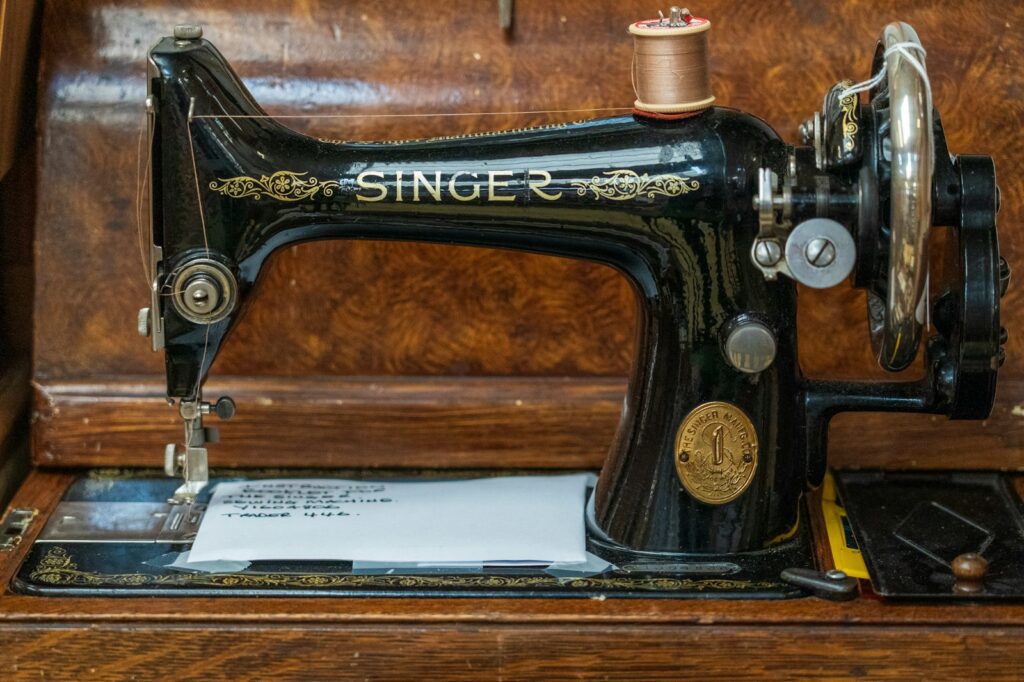
You probably recognize the classic black Singer as more than a tool; collectors prize certain models. Condition, age, and rarity drive value—machines over 100 years old or well-preserved Featherweights often fetch higher prices.
Check serial numbers and model details to identify your machine, and compare to guides like the Antique Singer Sewing Machine Value Guide. Restored machines can sell well, but original paint and decals sometimes attract collectors more than full restorations.
Antique Velvet Pincushions
You’ll spot antique velvet pincushions at flea markets and online auctions, often showing soft wear and faded color that adds character.
Collectors value original details like hand-stitched seams, period pins, and original wooden or ceramic bases.
Condition, rarity, and provenance drive price — small Victorian cushions can fetch more than newer reproductions.
If you want one, check listings like those on eBay’s vintage pin cushions and inspect photos closely.
Sterling Silver Thimble Holders
You’ll find sterling silver thimble holders appeal to both stitchers and collectors for their craftsmanship and patina.
They often feature hallmarks or maker’s marks that help you verify age and value, so check inside or beneath the piece.
Collectors pay more for unusual shapes—like miniature shoes or ornate domes—and for pieces in good condition.
Browse auctions and vintage shops to compare styles and prices; Etsy and eBay listings give useful market context (see a sterling silver thimble selection).
Mid-Century Modern Sewing Boxes
You’ll spot mid-century sewing boxes for their clean lines, tapered legs, and clever expanding compartments.
They often use teak or walnut and pair function with a small decorative flourish.
If you find one at an estate sale or online, check hinges, drawers, and original liners for condition.
Well-preserved examples can command high prices on marketplaces like 1stDibs.
1940s-1960s Designer Sewing Patterns
You’ll find 1940s–1960s designer patterns draw collectors because they capture era-defining styles and quality drafting. Original Vogue, Butterick, and couture copies often include detailed instructions and multiple size markings, which adds to their appeal.
If your pattern is unused, intact, and from a named designer, it may sell for more to vintage sewers and costume makers. Check listings like those that discuss vintage pattern value for comparable examples and pricing.
More from Decluttering Mom: