We’ve all been there: running around the house, trying to find an outlet for our newest gadget, while the living room looks like a scene from a tech enthusiast’s dream. But here’s the thing—too many devices plugged into one outlet can lead to some pretty big problems. It can be a fire hazard, and nobody wants that! So, how do you know if your outlets are overloaded? Let’s chat about five signs that might just give you a heads-up.
1. Frequent Tripped Breakers
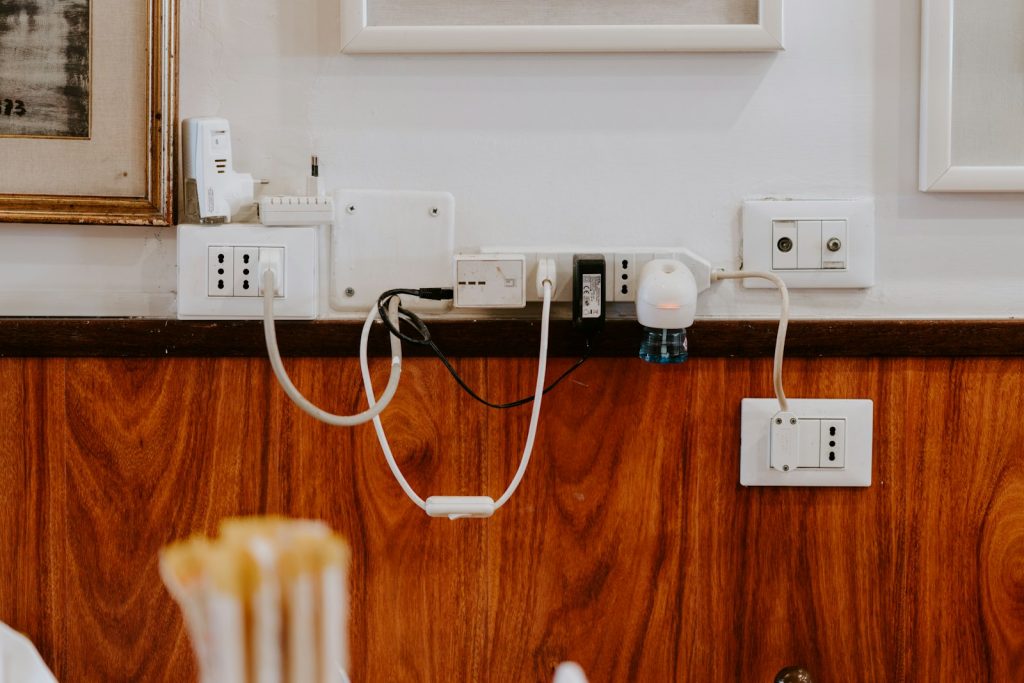
If you’ve found yourself in a game of “which breaker trips next?” it’s a clear sign your outlets might be overworked. Breakers are designed to protect your home from electrical overloads by cutting off power when things get too dicey. If you’re constantly flipping that switch back up, it’s like your home saying, “Hey, buddy, let’s ease up a little!” Time to take stock of what you’ve got plugged in, maybe?
2. Warm or Discolored Outlets
Now, this one’s a bit of a red flag. If your outlets feel warm to the touch or if you notice any discoloration around the plug, it’s like your outlet is sweating under pressure. An outlet shouldn’t be generating heat, and if it is, you might want to consider unplugging some devices and having an electrician take a look. After all, you want your home to feel cozy, not like a mini bonfire!
3. Flickering Lights
Ever walk into a room and feel like you’re on the set of a horror movie, thanks to flickering lights? If your lights seem to have a mind of their own, it could indicate that your electrical system is struggling to keep up with demand. It’s not just annoying; it’s also a sign that your outlets may be overloaded. You might want to try unplugging a couple of devices and see if that helps restore some stability. No one wants to live in a haunted house, right?
4. Burning Smell or Sparks
This one’s an absolute no-no! If you ever catch a whiff of burning plastic or see sparks when you plug something in, it’s time to take action, like, yesterday. This is a serious indication that something is wrong, and you should unplug everything immediately and call a professional. Your safety is paramount, and it’s much better to be safe than sorry. Remember, your gadgets can be replaced; your home? Not so much.
5. Over-reliance on Power Strips
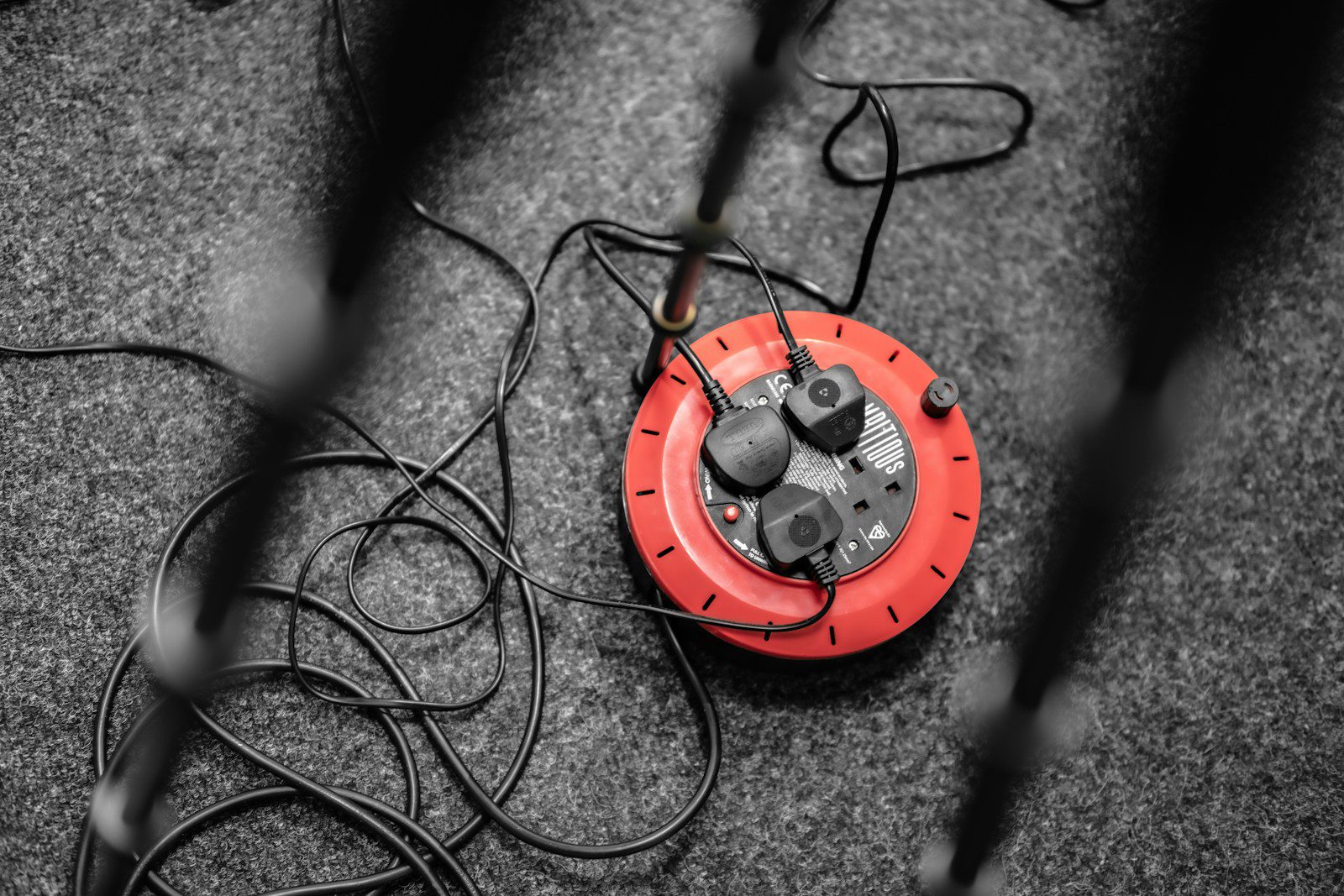
Power strips can be a lifesaver, especially when you’ve got a million devices to charge. But if you find yourself using them like they’re going out of style, it might be a sign that your outlets are overworked. While they’re convenient, they can only handle so much before they start to falter. If you’re daisy-chaining power strips, it’s time to reassess. Maybe you need to do a little spring cleaning in your tech collection and get rid of some of those old chargers and gadgets you’ve been meaning to toss!
What to Do If You Suspect Overloading
If you recognize any of these signs in your home, don’t panic! Start by unplugging non-essential devices to lighten the load on your outlets. Maybe that old lamp that you only use for ambiance can take a break, or that phone charger that seems to have a permanent spot in the wall can go on a little vacation. Then, consider consulting an electrician. They can help you assess your electrical system and ensure everything is safe and sound.
Keeping Your Home Safe and Sound
Your home should be your sanctuary, not a source of stress. Regularly checking on your outlets and being mindful of how many devices you’ve got plugged in can go a long way toward maintaining a safe environment. Plus, it’s a great excuse to finally declutter that drawer full of random chargers and tech you forgot you owned. Who knows? You might even find that long-lost remote you’ve been searching for!
So next time you’re juggling multiple chargers and wondering if your outlets are up to the task, remember these signs. It’s all about creating a safe space for you and your family while keeping all your gadgets happy. After all, we love our devices, but safety should always come first. Here’s to a well-powered home that doesn’t push the limits! Cheers!