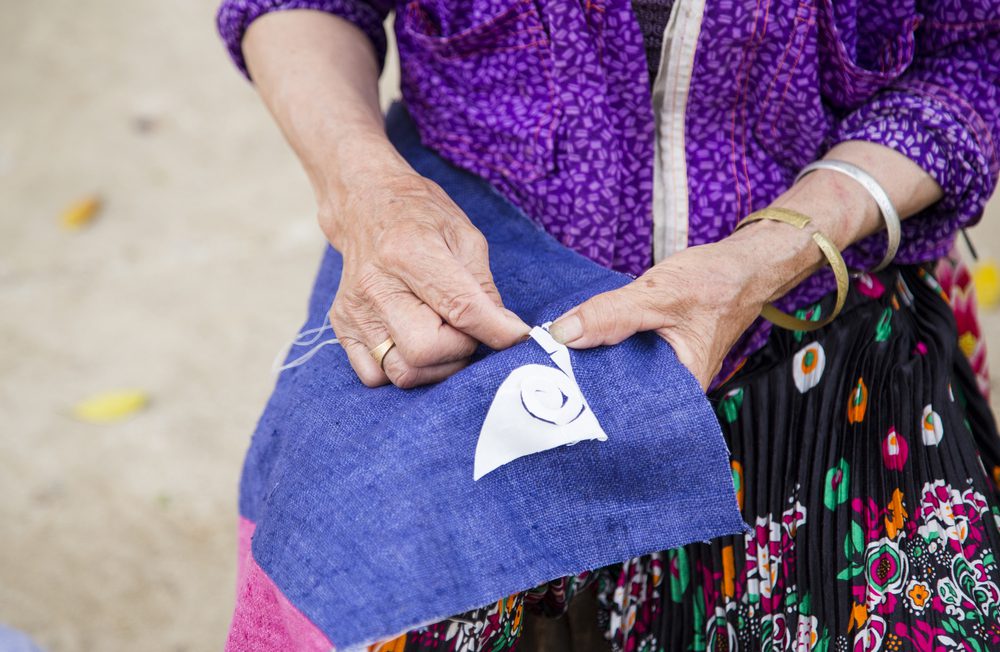
You’ve probably noticed how quickly things get tossed these days when they break or wear out. But your grandparents grew up with a different mindset. Instead of rushing to replace something, they often took the time to repair it, making their belongings last much longer.
This approach not only saved money but also showed a practical way of valuing items and extending their life. Understanding what they fixed instead of replacing can give you a fresh perspective on how to handle broken or worn-out stuff in your own life.
Toasters repaired by replacing heating elements
When a toaster stopped working, your grandparents didn’t toss it out. They often fixed it by replacing the heating element.
You can do this yourself by unplugging the toaster, opening the casing, and checking the wire inside. If the nichrome wire is broken, swapping it out can bring the toaster back to life.
It’s a simple repair that saved money and avoided waste. Plus, cleaning crumbs out regularly helped keep the heat even and the toaster working longer.
Shoes resoled instead of tossed
Back then, if your shoe sole wore out, you didn’t just throw the shoes away. You took them to a cobbler to get resoled, making your shoes last much longer.
Quality leather shoes were built to be repaired, not replaced quickly.
Getting your shoes resoled was a simple fix that saved money and kept you comfortable. Today, many shoes aren’t made to be repaired, so tossing them feels normal. But your grandparents knew it was worth fixing instead of wasting.
Clothes mended with patches or sewing
You probably remember your grandparents fixing clothes instead of tossing them out. They would patch up holes or sew tears to make pants and shirts last longer.
Sometimes they used scraps from old garments, turning worn fabric into something useful again.
You might find iron-on patches familiar—those were a quick way to cover up small holes. Learning to sew or patch clothes was a skill they often passed down.
This simple approach saved money and helped get the most out of your wardrobe. It’s practical and gives clothes a bit of extra character.
Wooden furniture glued and nailed back
When a chair or table got wobbly, grandparents didn’t just toss it. You would often see them carefully gluing loose joints and then nailing pieces back together to hold everything solid.
Using strong wood glue and clamps helped make the fix last. The nails added extra support when the glue alone wasn’t enough.
Sometimes they had to remove old screws or nails before reassembling parts. It wasn’t fancy, but it worked, saving furniture and money in the process.
Broken ceramic dishes glued carefully
When a favorite ceramic dish breaks, you don’t have to toss it out right away. You can glue the pieces back together with the right adhesive, like a two-part epoxy or specialized ceramic glue.
Start by cleaning and drying all the broken parts. Then, carefully apply the glue to the edges before pressing them together.
Hold the pieces in place and give the glue plenty of time to dry. This old-school fix keeps your dishes usable and saves you from buying new ones.