Dust is a common challenge in many homes, no matter how often you clean. It can make your space feel less fresh and even affect your health, especially if you suffer from allergies. Understanding why dust tends to accumulate can help you manage it better.
Certain habits, items, and design choices in your home can turn it into a dust magnet without you realizing it. By identifying what these are, you can take simple steps to reduce dust and create a cleaner living environment that feels more comfortable and inviting.
Decorative items with intricate shapes
When you choose decorative items with intricate shapes, like detailed figurines or complex wall hangings, dust can easily settle in tiny crevices. These small gaps are harder to clean, making dust buildup more likely.
Your beautiful designs can add charm, but they also mean more time spent dusting. Regular gentle cleaning helps keep these pieces looking their best without damage. Keep in mind, simpler shapes tend to collect less dust and are easier to maintain.
Plants with textured or large leaves
If you have plants with big or textured leaves, they can collect dust more easily. Large leaves offer a bigger surface for dust to settle on, so you might notice them needing frequent cleaning.
Textured leaves, like fuzzy or ridged ones, can trap dust even more. When you care for these plants, wiping their leaves gently helps keep them healthy and looking fresh.
Fabric-covered furniture and cushions
Fabric-covered furniture and cushions easily attract dust because they have textured surfaces that trap particles. Your sofas, chairs, and pillows can hold dust deeper inside the fibers than hard surfaces.
If you want to reduce dust buildup, regularly vacuum and clean these items. Choosing fabrics that are tightly woven or treatable with stain and dust repellents can also help keep dust at bay.
Using removable cushion covers that you can wash often makes a big difference. This simple step helps keep dust from settling and improves the air quality in your home.
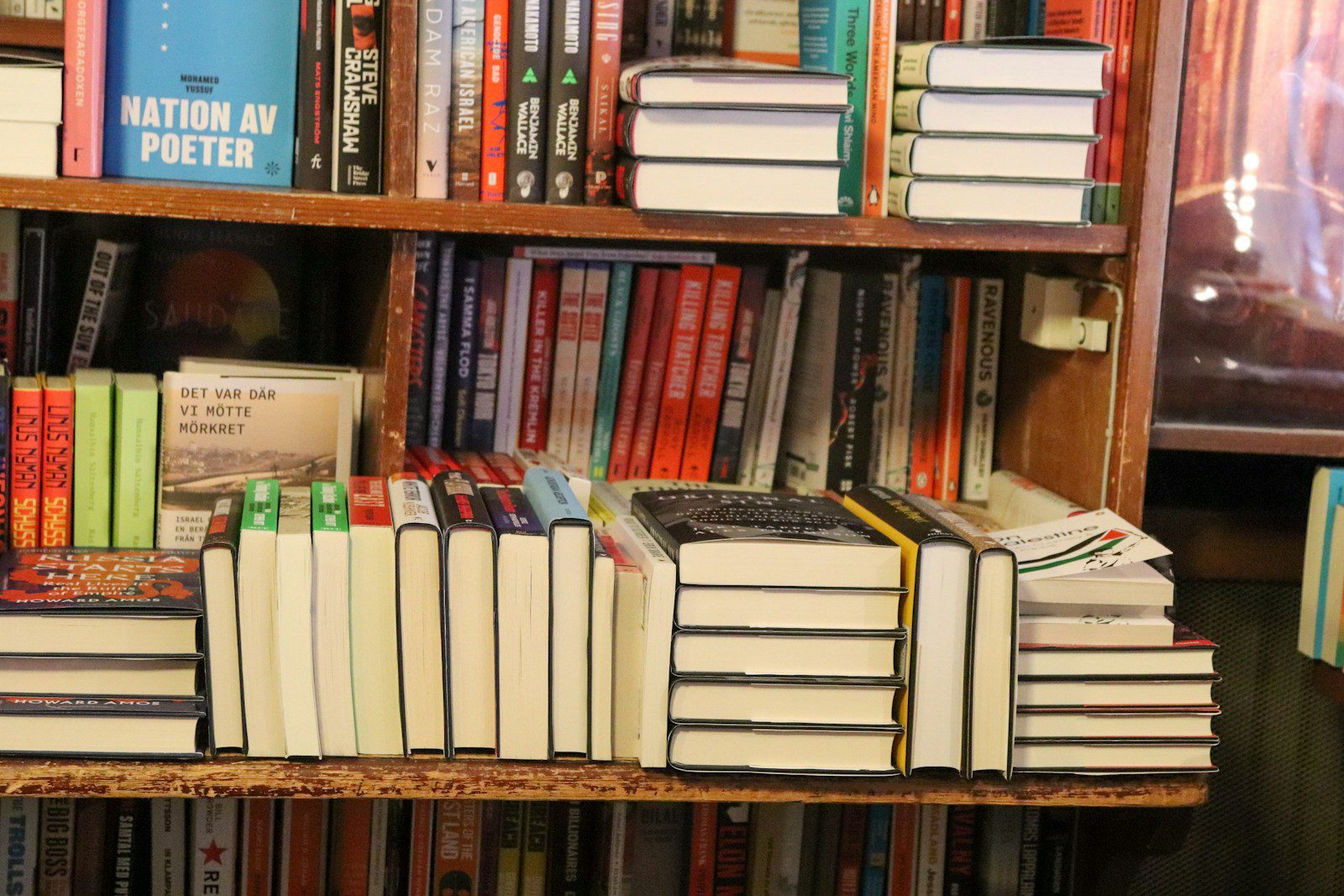
Books and paper stacks
Books that sit on shelves without being handled collect dust on their covers, spines, and between the pages. If you have decorative books you rarely use, they can become unexpected dust collectors.
Paper piles, like mail, newspapers, and magazines, attract dust quickly. Keeping these organized and clearing out old papers regularly helps reduce dust buildup in your home.
By managing your books and paper stacks thoughtfully, you can make your space feel fresher and cleaner with less effort.
Stuff stored under the bed
When you stash things under your bed, dust has a cozy place to settle. This often dark, undisturbed space collects dust bunnies and allergens easily.
If you keep bulky items or fabrics there, they attract more dust and can even invite pests like dust mites. Cleaning under the bed can be tricky, so dust builds up over time.
Try to limit what you store under your bed or use airtight containers. Regularly vacuum the area to keep the dust at bay and protect your belongings from damage.