You might not realize it, but daily habits can quietly drain your wallet without obvious signs. The small, routine choices you make often add up to wasted money over time. Understanding these common habits is key to gaining better control of your spending.
By identifying everyday actions that waste your money, you can start making smarter decisions that boost your savings. Recognizing the hidden costs in your usual routines helps you avoid unnecessary expenses and improve your financial health.
Buying coffee daily instead of brewing at home
If you buy coffee every day, it quickly adds up. A regular cup from a coffee shop can cost upwards of $2, which means hundreds of dollars spent each year.
Brewing at home costs much less. Once you invest in basic equipment, your daily coffee might only cost a fraction of what you pay outside.
Making your own coffee also gives you control over the taste and strength. Plus, it can be a simple, enjoyable part of your morning routine without stretching your budget.
Paying for unused gym memberships
You might be paying for a gym membership that you rarely use. Many people sign up with good intentions but end up going only a few times.
This means your money is going to waste each month. Instead of paying for a service you don’t use, consider free workout apps or outdoor activities.
If you want to keep your membership, try setting a clear schedule. Otherwise, canceling it could save you money and motivate you to find less costly ways to stay active.
Keeping active subscriptions you don’t use
You might not realize how many subscriptions quietly drain your money each month. It’s easy to forget about apps or services you signed up for but no longer use.
Checking your subscriptions regularly helps you spot charges that don’t add value. Canceling the ones you don’t need can free up money for things that really matter.
Sometimes, companies even offer discounts when you try to cancel. So, it’s worth being persistent and organized to keep your spending in check.
Impulse buying snacks and drinks
You might not realize how much those quick snack or drink purchases add up daily. Grabbing a candy bar or soda while waiting in line feels small, but it slowly chips away at your budget.
Stores place these items right at checkout to tempt you when you’re most vulnerable. Sticking to a list or planning ahead with your own snacks can help you avoid these impulse buys.
Next time you’re tempted, pause and ask if you really need it. Making a small change like this can save you more than you expect over time.
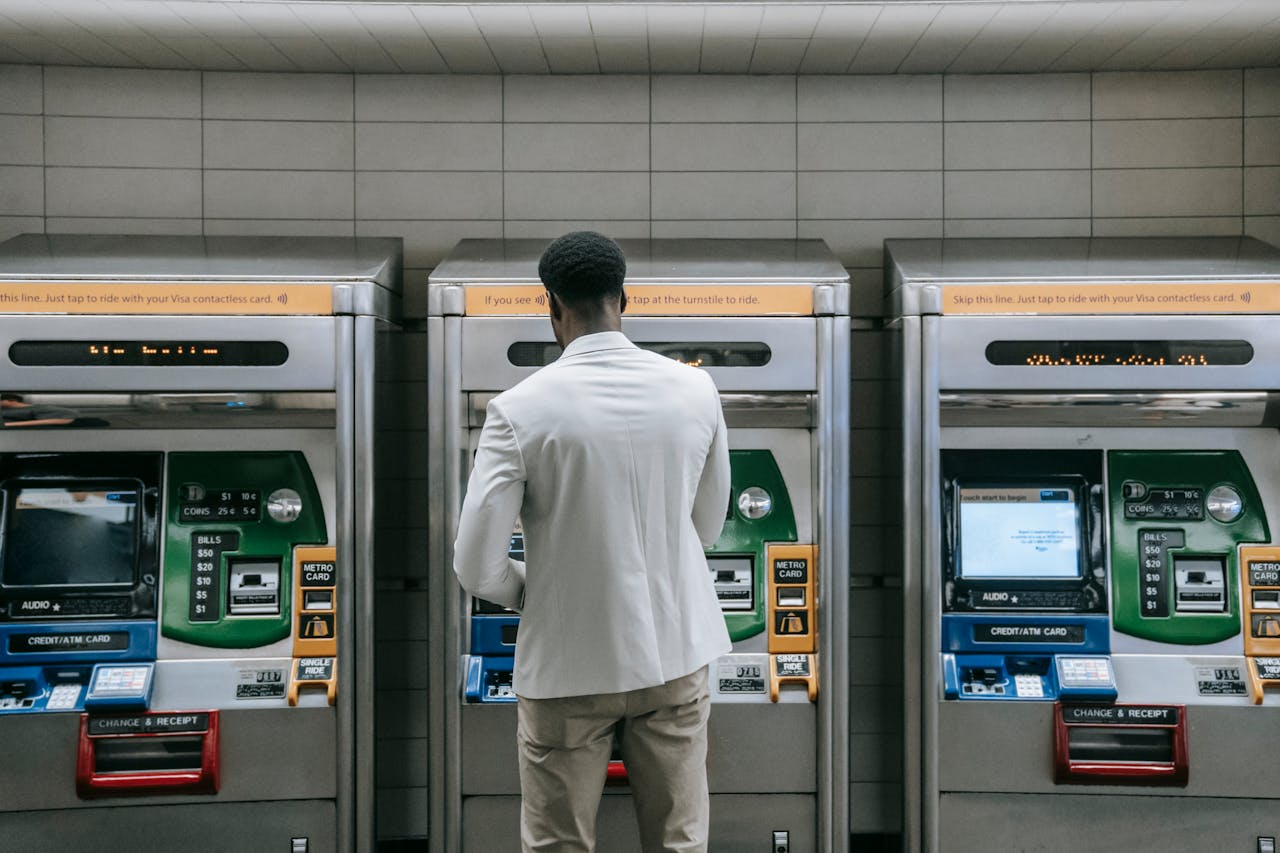
Overusing ATM machines and paying fees
Every time you use an out-of-network ATM, you might be paying a fee, often between $2 and $5. These charges add up quickly and quietly eat into your cash.
Try to use ATMs linked to your bank to avoid these extra fees. Planning ahead by withdrawing larger amounts less often can also save you money.
Keep an eye out for banks or apps that reimburse ATM fees. Small changes in how you access cash can prevent unnecessary expenses.