Losing someone close to us is one of the hardest experiences we face. In the midst of grief, it’s natural to want to hold on to pieces of their life that feel meaningful. Deciding what to keep can be both comforting and overwhelming.
There are certain items we should always hold onto after a loved one passes because they help preserve memories and support our healing. These keepsakes serve as tangible connections to our past and the people we care about most.
Social Security Card
After a loved one passes, the Social Security card itself doesn’t hold much practical use. However, the Social Security number remains very important for handling their affairs.
We should keep the card and related documents for at least three years. This helps us with tax matters, insurance claims, and any legal processes that may need their identification.
It’s also smart to notify the Social Security Administration to report the death. This prevents potential identity theft and stops benefits from being sent to the deceased.
Keeping a photocopy of the card instead of the original can be a safer way to hold onto this sensitive information.
Passport
When a loved one passes, keeping their passport is important. It serves as a vital form of identification that we may need for legal or financial matters.
Some institutions and government agencies require a passport to settle the estate or close accounts. Holding onto it helps avoid delays during this process.
Even if we don’t foresee immediate use, keeping the passport safe gives us peace of mind. It’s better to have it than scramble for it later.
Military Discharge Papers
When a loved one who served in the military passes away, keeping their discharge papers is essential. These documents prove their service and help us access important benefits, like burial in national cemeteries or survivor support.
The most important paper is the DD Form 214. It’s the official record of their service and discharge status. We should make sure these papers are stored safely and our families know where to find them.
Without these documents, applying for veterans’ benefits can become difficult. Keeping them close helps us honor their service and navigate any paperwork with peace of mind.
Personal Letters or Cards
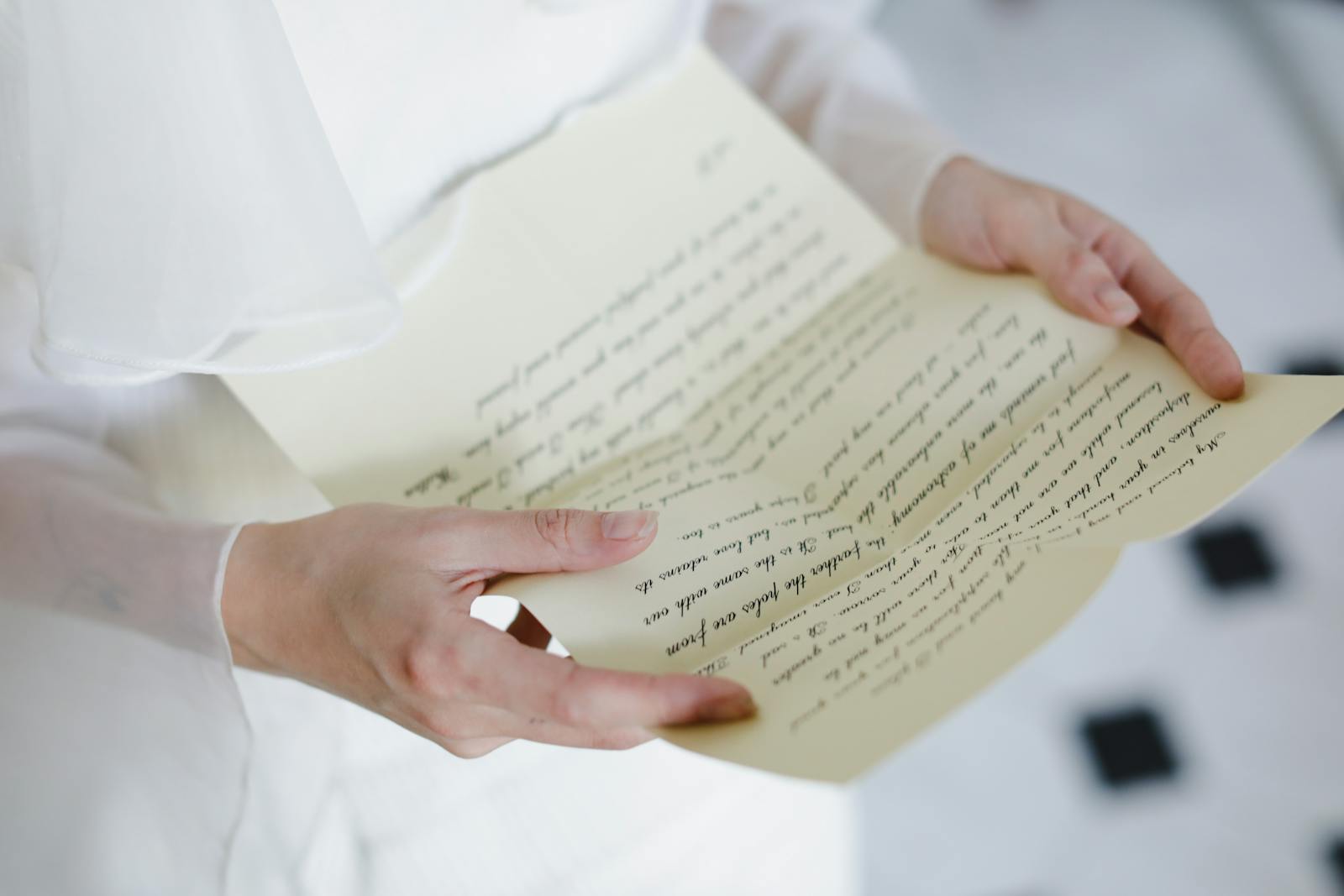
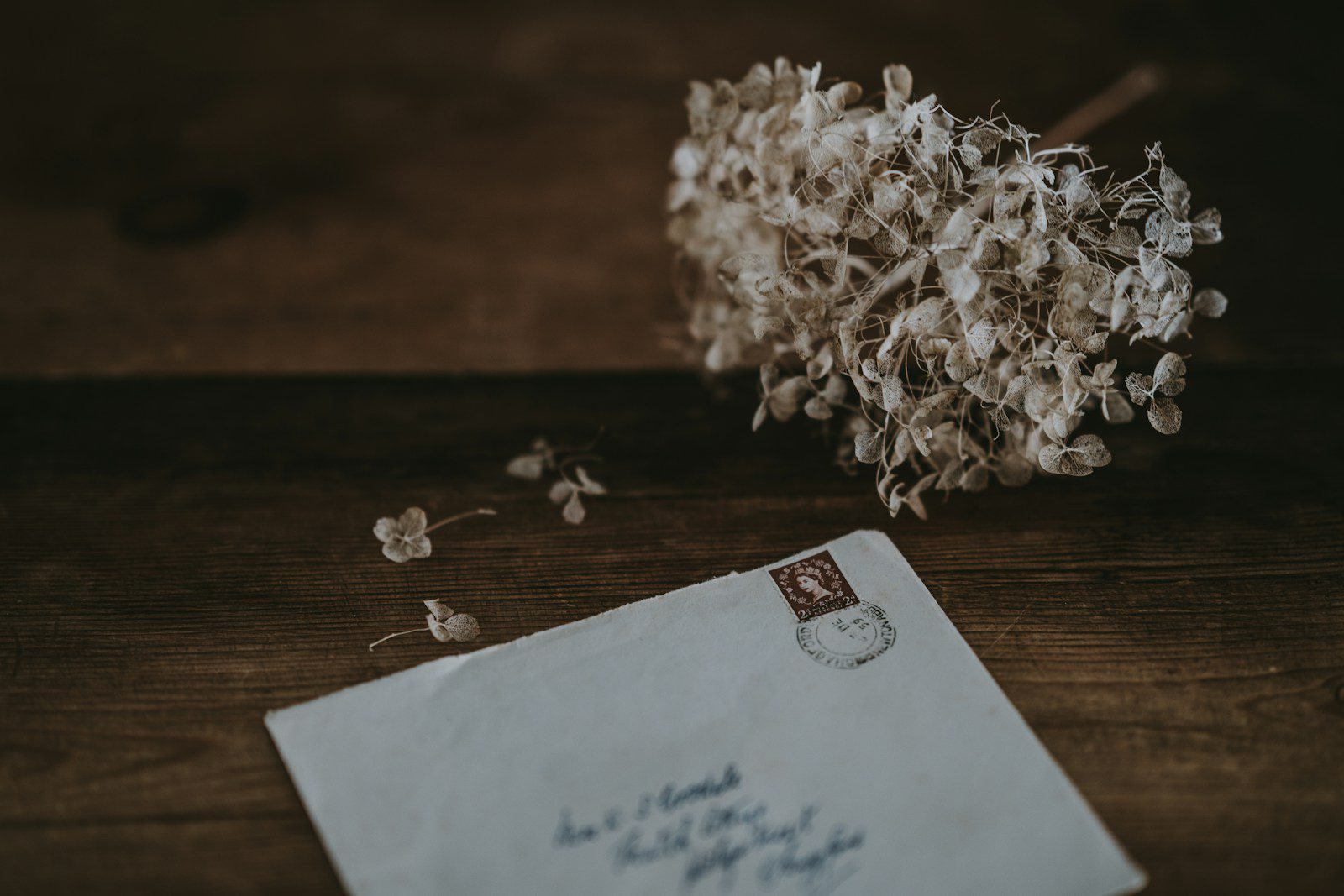
We often find comfort in the personal letters and cards left by our loved ones. These handwritten notes capture their thoughts and feelings, making them deeply meaningful keepsakes.
Keeping these items helps us hold onto memories and feel connected, even after they’re gone. They remind us of moments shared and the love expressed in their own words.
Whether it’s a birthday card, a simple note, or an email, these small pieces tell stories that photos or other mementos can’t fully convey. We should treasure them as lasting tokens of their presence in our lives.
Photographs
Photos hold a special place in our hearts. They capture moments we shared with our loved ones and remind us of everyday life, celebrations, and milestones.
Going through old photos can be emotional, but these images help us keep memories alive. Even pictures of people we don’t recognize can tell a part of our loved one’s story.
We recommend finding a way to organize or display these photos. Creating a scrapbook or photo album can turn these snapshots into a meaningful tribute we can look back on anytime.