


When you’re sorting through your belongings, it’s easy to decide that some things just need to go. However, tossing items without a second thought can sometimes lead to regret or unexpected hassles later on.
Before you throw anything away, it’s important to double-check certain types of items to avoid losing something valuable or useful. Taking a moment to reconsider can save you time, money, and stress down the road.
Birth certificates and other vital records
Before tossing any papers, check if you have your birth certificate and other vital records. They are essential for proving your identity and accessing important services.
Your birth certificate might be needed for things like applying for a passport, enrolling in school, or getting a driver’s license. Losing these documents can cause delays.
If you don’t have a copy, consider ordering a certified copy online or from your state’s vital records office. Keep these documents in a safe place where you can easily find them.
Warranties and receipts for recent purchases
Before tossing any receipt or warranty, check if it’s for something you bought recently. You’ll want to keep these documents until you’re sure the product works well or the return period has passed.
Receipts prove your purchase date and price, which is important if you need a refund or warranty service. Warranties protect you from paying for repairs on defective items.
Keep these papers or scan them to stay organized. This way, you won’t lose track of important dates or miss out on coverage you paid for.
Important tax documents and financial statements
You should hold on to key tax documents like W-2s and 1099 forms. These show your income and are essential for filing your taxes accurately.
Keep bank statements, mortgage documents, and investment records until you’re sure the tax year is fully settled. These help verify income and deductions if needed.
Don’t toss receipts for deductible expenses, such as education or business costs, without confirming they are no longer needed. They can support your claims if the IRS asks questions later.
Sentimental items like heirlooms or personal letters
Before tossing sentimental items, take a moment to consider their emotional value. Heirlooms and personal letters often connect you to important memories or loved ones.
You might want to create a special storage spot for these keepsakes. Clear bins or archival boxes can keep them safe and organized.
If the items feel overwhelming, think about digitizing them. Scanning letters or photographing heirlooms lets you keep the memories without the clutter.
Unopened supplies suitable for donation
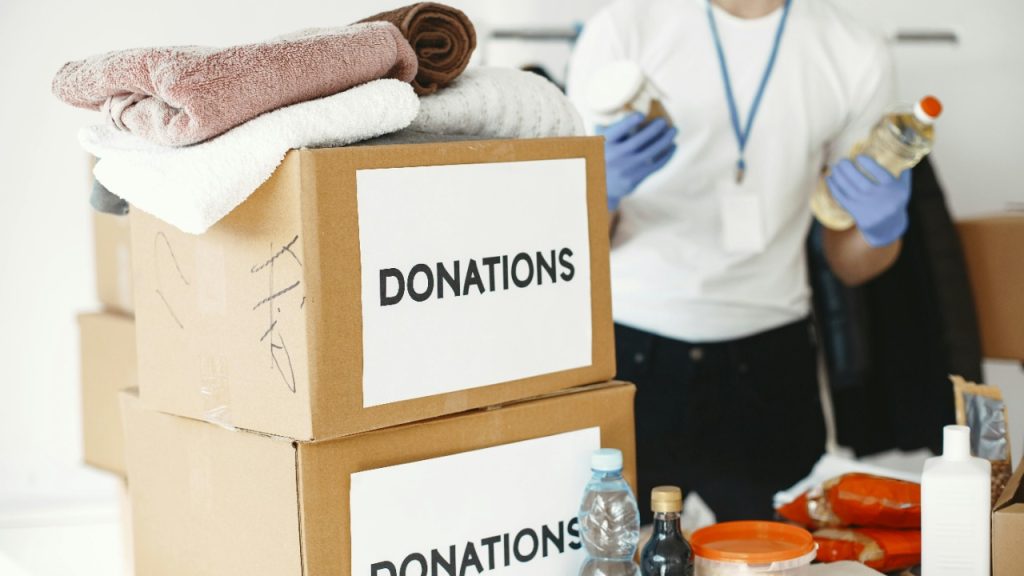
You can donate many unopened supplies that are still in their original packaging. This includes items like canned food, unopened toiletries, and sealed school or office supplies. These donations often help local charities meet specific needs.
Make sure the items are not expired and are safe to use. Avoid donating partially used or opened products, as these are usually not accepted.
If you’re unsure, check with your local donation center to confirm what unopened supplies they accept. This helps ensure your donation is useful and appreciated.