Donating items is a thoughtful way to support your community and help those in need. However, not everything you no longer want is suitable for donation bins. Knowing what to avoid can save you time and prevent unnecessary waste or complications for charity organizations.
You should never throw items in donation bins that are damaged, unsafe, or unusable, as these can cause more harm than good. Being mindful about what you donate ensures your generosity truly benefits others and keeps donation centers running smoothly.
Expired food and canned goods
You might think donating expired food or canned goods is helpful, but pantries can’t safely distribute them. Expired items may pose health risks, especially if the packaging is damaged or swollen.
Even canned goods can go bad after their expiration date. It’s best to check for dents, rust, or leaks before considering donation.
If you’re unsure, it’s safer to toss expired or questionable food. Donating fresh, shelf-stable items ensures your contributions truly support those in need.
Broken or damaged furniture
If your furniture has broken legs, a damaged frame, or torn upholstery, it’s best not to donate it. These pieces can be unsafe and costly for donation centers to fix.
Donation places usually don’t have the resources to repair heavily damaged furniture. Instead, consider recycling or responsibly disposing of it.
Keep in mind that donating broken furniture might do more harm than good. If you want to help, donate items that are in good, usable condition.
Used mattresses and bedding
You might think donating your old mattress or bedding is helpful, but many donation centers don’t accept these items. Mattresses can be hard to clean, and there’s a risk of spreading bed bugs or other pests.
Bedding like pillows, comforters, and sheets are often refused too, especially if they show wear or stains. If your bedding is in good shape, check with local shelters or animal rescues—they might take them.
If donation isn’t an option, consider recycling programs or responsible disposal instead of just dropping them in a donation bin. This helps keep donation centers safe and useful for everyone.
Outdated electronics
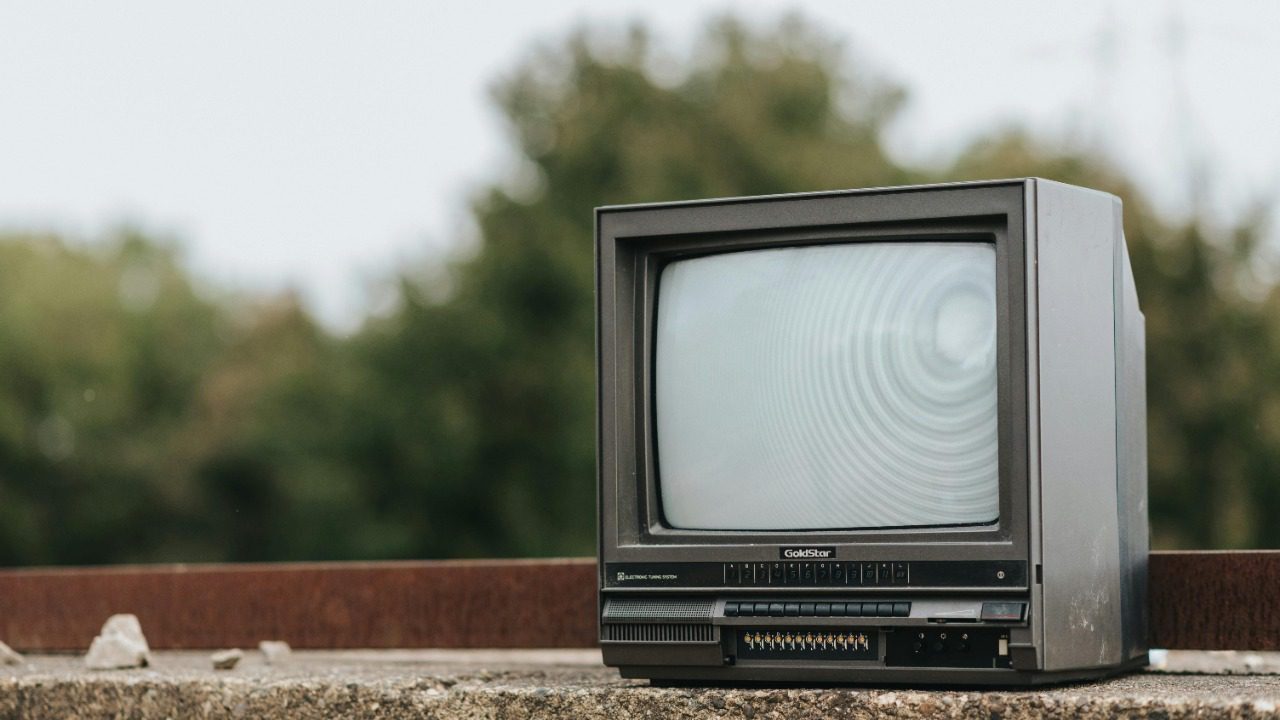
You might think donating old electronics is helpful, but many donation centers don’t accept them. Outdated devices can be hard to repair or recycle, and some contain hazardous materials.
Instead of donating, consider recycling electronics responsibly. Look for certified recycling programs near you that handle e-waste safely.
By doing this, you prevent environmental harm and protect others from receiving unusable or risky gadgets. Your effort to recycle correctly makes a real difference.
Clothing with stains or tears
You should avoid donating clothes that have visible stains or tears. These items are often not accepted by thrift stores because they require extra work and may not be sellable.
If you find damaged clothing, consider repairing it before donating. If repairs aren’t possible, repurposing old clothes as cleaning rags can be a good alternative.
Donating only clean, wearable clothes helps ensure your donation is useful and appreciated. It’s a simple way to make a positive impact.