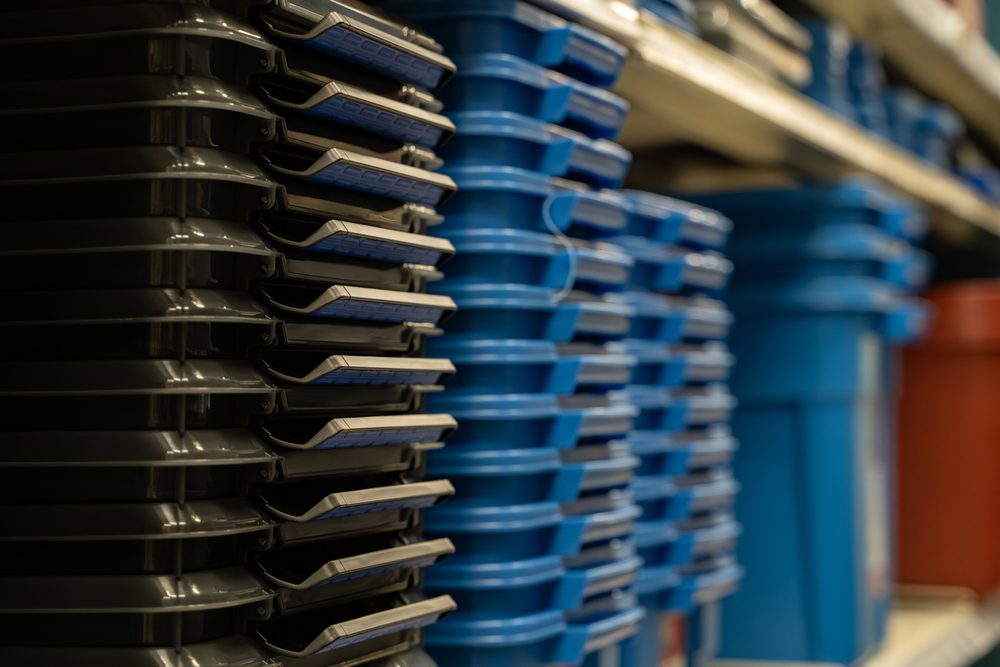
Storage totes can be a handy way to organize and protect many of your belongings. They offer convenience and keep items out of sight, helping to declutter your space. However, not everything is suited for long-term storage in these containers.
Knowing what not to put in storage totes can save you from damage and loss over time. Some items require special care or different storage conditions to stay in good shape. Understanding these limits helps you avoid costly mistakes and keeps your things safe.
Important documents and photographs
You should avoid storing important documents and photographs in storage totes. Attics and other areas where totes are kept often have temperature fluctuations and humidity that can damage these items.
Photos can fade, warp, or develop mold if exposed to moisture or heat. Important papers like passports, birth certificates, and legal documents can become brittle or discolored over time.
Instead, keep these items in a cool, dry place. Consider using a home safe or a bank safety deposit box for better protection.
Raw meats and seafood
You should avoid storing raw meats and seafood in storage totes. These foods can leak juices that cause contamination and unpleasant odors.
Instead, keep raw meats and seafood in airtight containers or tightly wrapped. Place them on the bottom shelf of your fridge to prevent drips onto other foods.
Using plastic totes for raw meat increases the risk of bacteria spreading. Proper storage helps keep your kitchen safe and your food fresh.
Candles with scents or oils
You should avoid storing scented candles or those with essential oils in storage totes. These candles can release fragrances that mix and cause unwanted odors.
Oils in candles may also degrade or evaporate when kept in closed containers. This affects both scent quality and candle appearance.
If you want to keep your candles fresh, store them in airtight containers separately or in their original packaging. Heat, sunlight, and moisture inside totes can also harm them.
Keeping scented candles separate helps preserve their scent and prevents any potential contamination with other items in storage.
Electronic devices and batteries
You should avoid storing electronic devices in totes with batteries inside. Batteries can leak or corrode over time, damaging both the device and other stored items.
If you need to store electronics, remove all batteries first. Store those batteries separately in a cool, dry place to prevent any damage.
Keep in mind that fully charged batteries or devices can degrade faster in storage. It’s better to leave rechargeable batteries around 50% charged if you plan to store them for a while.
Also, try to use protective packaging like anti-static wrap to shield your electronics during storage. This helps prevent dust and moisture buildup.
Natural fibers like wool or silk clothing
You should avoid storing wool or silk clothes in regular storage totes. These fibers are sensitive to moisture and can attract moths or develop mold if not stored properly.
If you want to keep your wool or silk items safe, use breathable fabric bags or specially designed storage that allows air circulation. Keeping them in a dark, cool, and dry place helps prevent damage.
Avoid airtight plastic bins because trapped moisture can harm these delicate fibers. Proper care keeps your natural fiber clothing looking fresh and lasting longer.