


Donating items is a generous way to support your community, but not everything you give has the impact you might expect. Sometimes, common donations can end up being more of a burden than a help for charities and thrift stores.
Knowing which items to pause on donating until you check their value can save time, reduce waste, and make sure your contributions really count. This article will guide you through things you should reconsider before dropping them off, helping you make smarter donation choices.
Expired canned goods
Before donating canned goods, check the dates carefully. Many food banks won’t accept expired items because they can’t guarantee safety or quality.
If unopened and undamaged, some canned foods might still be safe shortly after the date, but policies vary. It’s best to contact your local food bank to understand their rules.
Avoid cans that are dented, rusted, or swollen. These could be unsafe, even if the date hasn’t passed. When in doubt, it’s better to keep expired cans out of donations to help food banks provide the best for those in need.
Cracked cookware
Before you donate cracked cookware, take a moment to check its condition. Cracks can harbor bacteria, making these items unsafe for others to use.
While some cracked dishes might be repurposed creatively, cookware with cracks is usually a hassle. It can break further during handling, causing damage or injury.
If your cookware is cracked, consider storing it for personal use or recycling it instead of donating. This helps prevent stress for donation centers and keeps others safe.
Torn or stained clothing
Before donating, take a close look at your clothes. Torn or stained items usually aren’t accepted by thrift stores because they can’t sell them.
If you wouldn’t wear the piece yourself or give it to a friend, it’s best not to donate it. Instead, consider recycling or repurposing these clothes.
Donating only clean, wearable clothing helps ensure your donations truly benefit others. Taking a moment to check your items can save time and resources at donation centers.
Outdated electronics
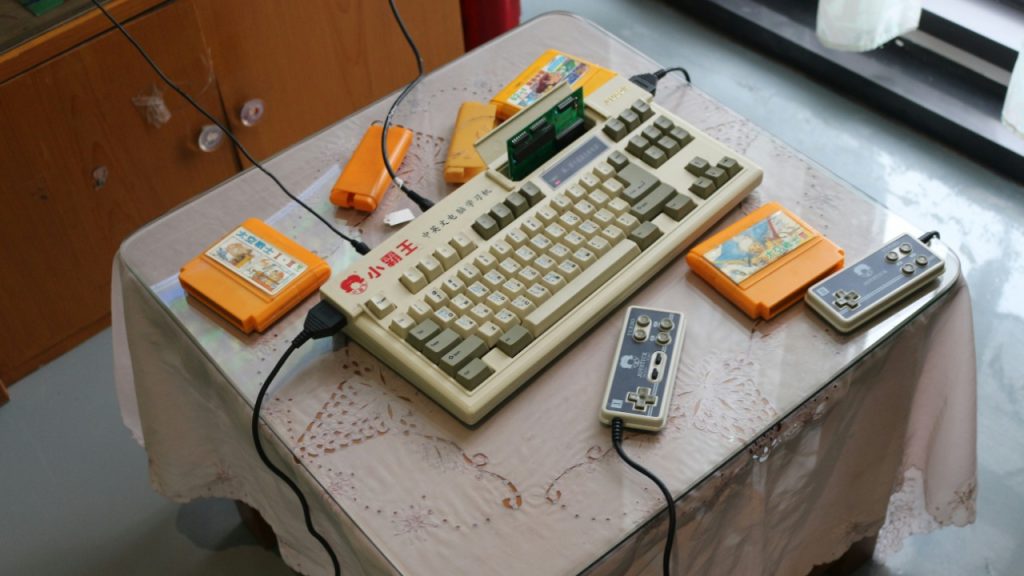
You might think donating old phones, tablets, or laptops is helpful, but not all outdated electronics hold value. Many thrift stores and charities cannot accept devices that don’t work or are very old.
Before donating, check if your electronics still function and if they have resale or recycling value. Some stores, like Best Buy, offer trade-in or recycling programs specifically for old gadgets.
If your device is broken or very outdated, consider looking for local e-waste events or specialized recycling centers. This helps keep hazardous materials out of landfills and supports responsible disposal.
Used personal care products
You should avoid donating used personal care items like shampoo, soap, or deodorant. These products can carry bacteria and germs that may pose health risks to others.
Even if the items look clean, sharing used toiletries isn’t hygienic, especially in places like shelters. If your personal care products are unopened and unused, some organizations might accept them, so it’s worth checking before donating.
For anything opened or used, it’s better to dispose of them safely rather than donate. This helps keep donations safe and useful for everyone.