When preparing for emergencies, it’s natural to want to gather a variety of supplies to keep you safe and comfortable. However, not everything you might consider essential actually helps when you face a crisis. Knowing what to avoid can save you time, space, and even reduce risks during emergencies.
This article will help you identify five common items you should stop keeping for emergencies so your kit is more effective and practical. By focusing on smarter choices, you can stay better prepared without unnecessary clutter or hazards.
Expired canned goods
You should stop keeping expired canned goods in your emergency supplies. Over time, cans can bloat or rust, which means the food inside might no longer be safe to eat.
Eating expired canned foods can cause food poisoning, so it’s best to check expiration dates regularly. Rotate your stock to use older cans first and replace them with fresh items.
If you find cans that are past their prime, throw them out. Keeping only safe, edible food helps you stay prepared without risking your health.
Old flashlight batteries
You should avoid keeping old flashlight batteries for emergencies. Over time, batteries can leak acid, which may damage your flashlight and even cause it to stop working when you need it most.
If you do store batteries inside a flashlight, check and replace them regularly. This helps avoid surprises during an emergency.
For longer storage, remove batteries and keep them in a cool, dry place. Charging rechargeable batteries to about 50-80% before storing also helps extend their life.
Single-use plastic water bottles
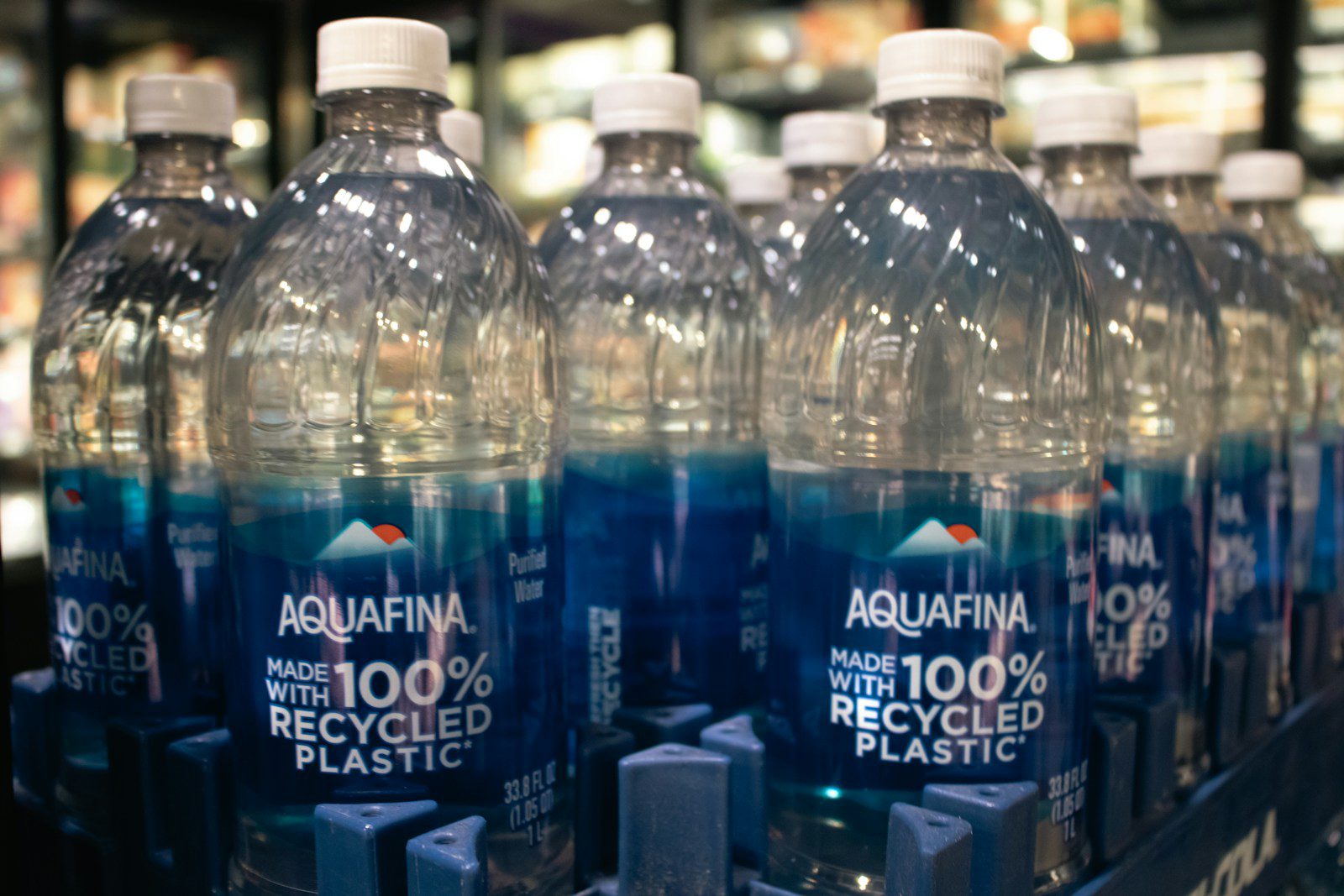
You might think keeping single-use plastic water bottles for emergencies is convenient, but they aren’t the best option. These bottles are designed for one-time use and can degrade over time, which may lead to harmful chemicals leaching into the water.
Reusing them can expose you to toxins, especially if the bottles are damaged or stored for long periods. Instead, consider investing in durable, BPA-free containers made for long-term water storage. This choice keeps your water safer and helps reduce plastic waste that harms the environment.
Dried-out fire starters
Keeping fire starters that are old and dried out might seem harmless, but they can fail when you need them most. If they’re brittle or crumbly, they often won’t ignite easily, especially in damp or windy conditions.
Instead, consider replacing them regularly or choosing specially designed fire starters made to perform reliably. This way, you won’t waste precious time trying to get a fire going in an emergency.
Fresh, dependable fire starters make a big difference when you’re relying on them for warmth, cooking, or signaling. Don’t let dried-out materials slow you down when it counts.
Expired prescription medications
You should avoid keeping expired prescription medications for emergencies. Over time, these medicines can lose their effectiveness, and some may even be harmful if taken.
Using expired drugs can be risky, especially in urgent situations when you need reliable treatment. It’s safer to dispose of them properly.
Many pharmacies offer take-back programs where you can drop off expired medicines for safe disposal. This helps protect your health and the environment.