When decluttering your home, you might feel good about donating vintage items to thrift stores or charities. However, not all vintage pieces are suitable for donation, and some can cause more problems than help. Knowing what to avoid can save you time and prevent your items from being discarded or rejected.
Understanding which vintage home items you should never donate helps you make smarter choices and supports donation centers better. This guide will help you identify those items so you can find better ways to handle them instead of simply passing them along.
Cracked or chipped ceramic vases
If your ceramic vase has cracks or chips, it’s best not to donate it. These damages can make the vase unsafe to use and harder to clean properly.
Cracks may also cause the vase to leak or break further with handling. Instead of giving it away, consider repairing the piece if it has sentimental value.
You can use simple adhesives or seek professional repairs to restore your vase. Otherwise, repurposing or upcycling broken ceramics at home can be a creative option.
Stained or torn vintage linens
If your vintage linens have stains or tears, it’s best not to donate them. Many charities won’t accept damaged linens because they can’t be reused or sold.
Instead, consider repurposing these items. You can cut them into cleaning rags or use them as bedding for pets.
This way, you give your vintage linens a new purpose without creating extra work for donation centers. Keeping your donations clean and intact helps ensure they actually get used.
Broken antique picture frames
If your vintage picture frame is broken, it’s best not to donate it. Donation centers rarely accept damaged frames because they can’t resell or repair them easily.
You might consider repairing the frame yourself or repurposing the pieces for craft projects. If it’s beyond repair, recycling the materials or safely discarding the frame is a better option.
Don’t worry—asking for help restoring or selling your frame locally can be a good way to give it a new life instead of tossing it.
Used or damaged feather pillows
If your feather pillows are worn out or damaged, it’s best not to donate them. They often don’t meet hygiene standards and can be rejected by shelters or donation centers.
You can consider repurposing these pillows instead. Use the feathers for craft projects or as stuffing for cushions at home.
Textile recycling centers may accept feather pillows, but most curbside programs won’t. Always check local recycling options before discarding your old pillows.
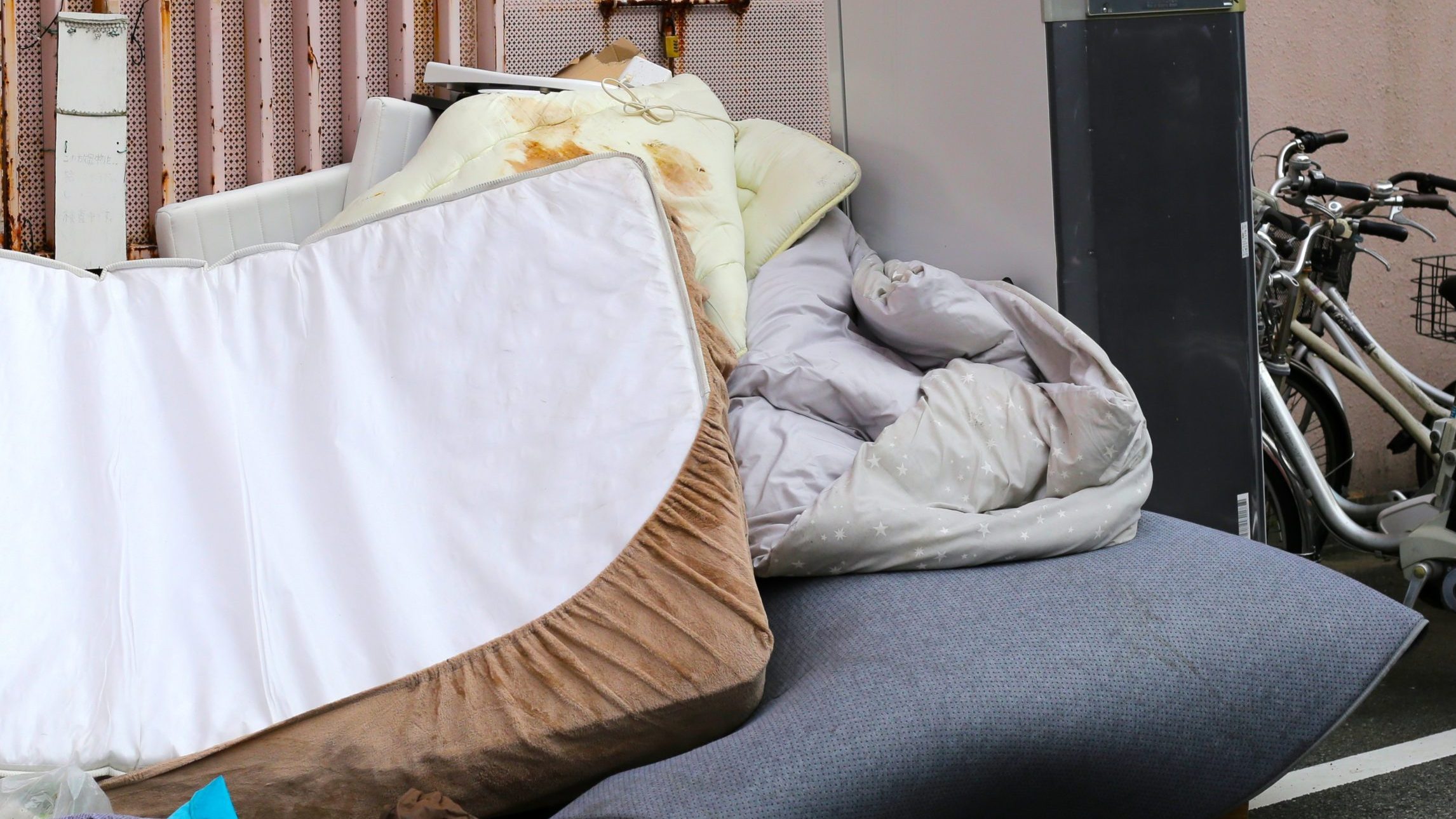
Old mattresses with odors
If your old mattress has any unpleasant smells, it’s best not to donate it. Odors can indicate mold, mildew, or bacteria, which are health risks for others.
Charities usually won’t accept mattresses with odors because they can’t properly clean or sanitize them.
Instead, consider recycling the mattress through a local program or safely disposing of it. This protects both you and others from potential issues.