Ask someone who grew up in the 1960s about childhood chores and they will not start with “unloading the dishwasher.” Their stories sound more like a liability waiver than a to‑do list, yet for ‘60s parents, these jobs were just part of raising capable kids. Today’s parents, juggling car seats and location‑sharing apps, look back at those Daily Chores and Kids Had to Do That Most Parents Today Wouldn Dare Assign with a mix of disbelief and nostalgia.
1) Unsupervised Errands to the Store
Unsupervised errands to the corner store were a daily ritual for many ‘60s kids. Parents routinely handed over a few dollars, a short list, and total responsibility for navigating traffic, crossing busy streets, and remembering the right brand of bread. Adults now admit in modern parenting threads that they once walked or biked alone for groceries, sometimes covering the same number of miles they now insist on driving. The expectation was simple: get there, get the goods, and get home before dinner.
Today’s parents picture that same trip and immediately see risk, from distracted drivers in SUVs to the drumbeat of “stranger danger.” Many will not let a grade‑schooler walk a single block without an adult, let alone manage cash and conversations with store clerks. The shift reflects more than anxiety, it shows how childhood independence has been traded for constant supervision, even when older generations insist those solo errands taught confidence and street smarts.
2) Using Sharp Yard Tools Alone
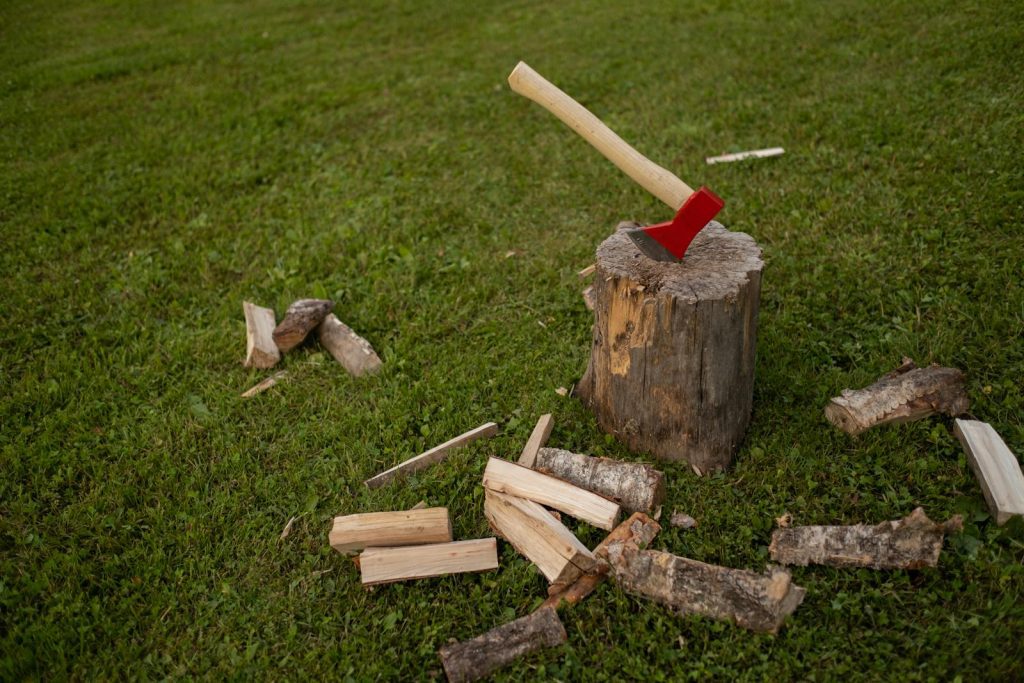
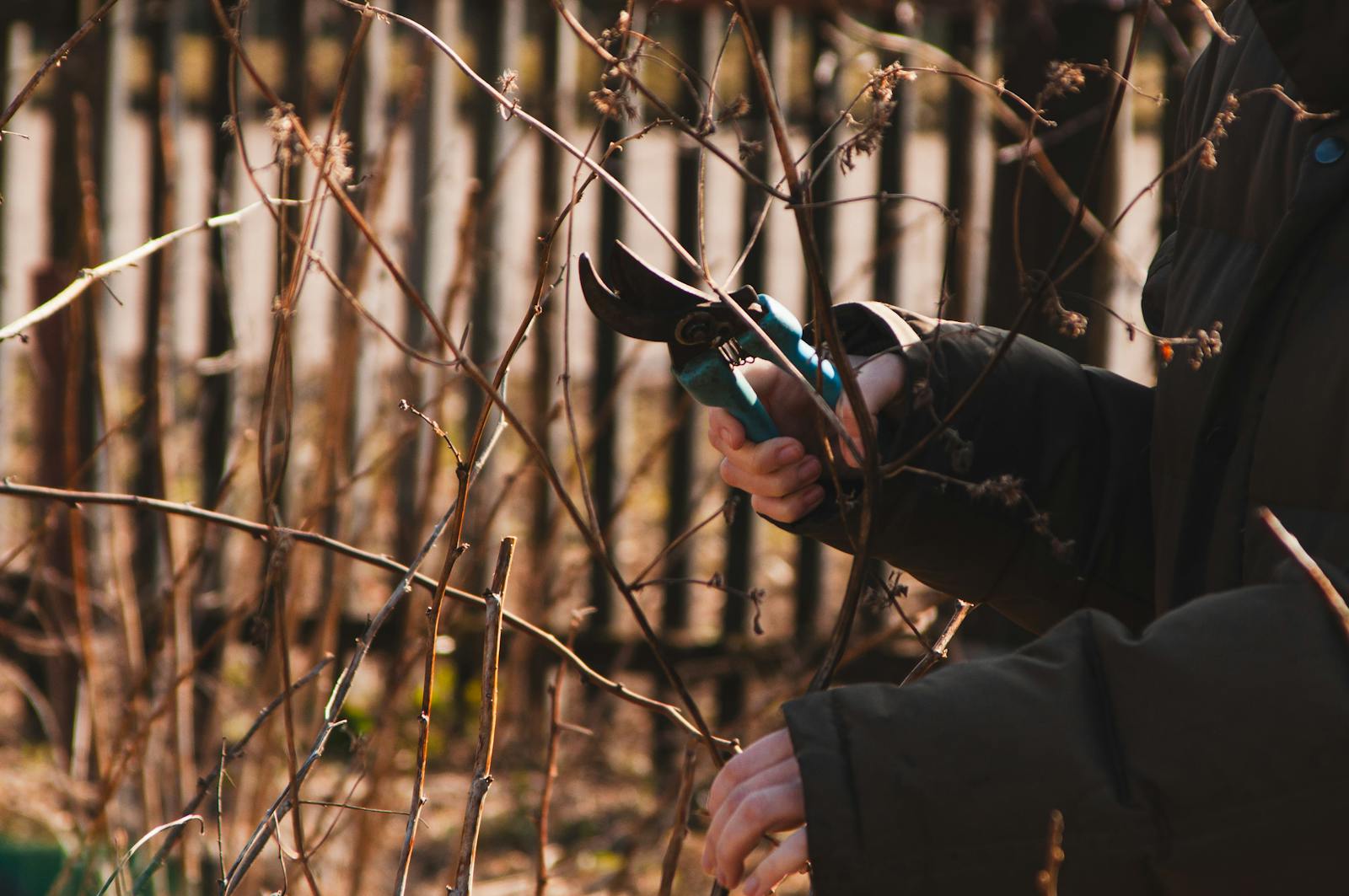
Using sharp yard tools alone was another chore that would stop a modern parent in their tracks. Working‑class kids in the 1960s were expected to push heavy metal lawnmowers, swing axes, and hack at stubborn roots without anyone hovering nearby. Adults who grew up in that era recall in one nostalgic discussion of 1960s yard work that these tools were treated as normal extensions of a kid’s hands, not specialized equipment.
Current parents, used to plastic‑guarded trimmers and safety tutorials on YouTube, see only the injury potential. A child wielding an axe or feeding sticks into a rusty mower feels like an emergency room visit waiting to happen. The change highlights how safety standards have tightened: what once counted as character‑building responsibility now looks like a job for licensed landscapers, not a Saturday chore for a ten‑year‑old.
3) Babysitting Siblings from a Young Age
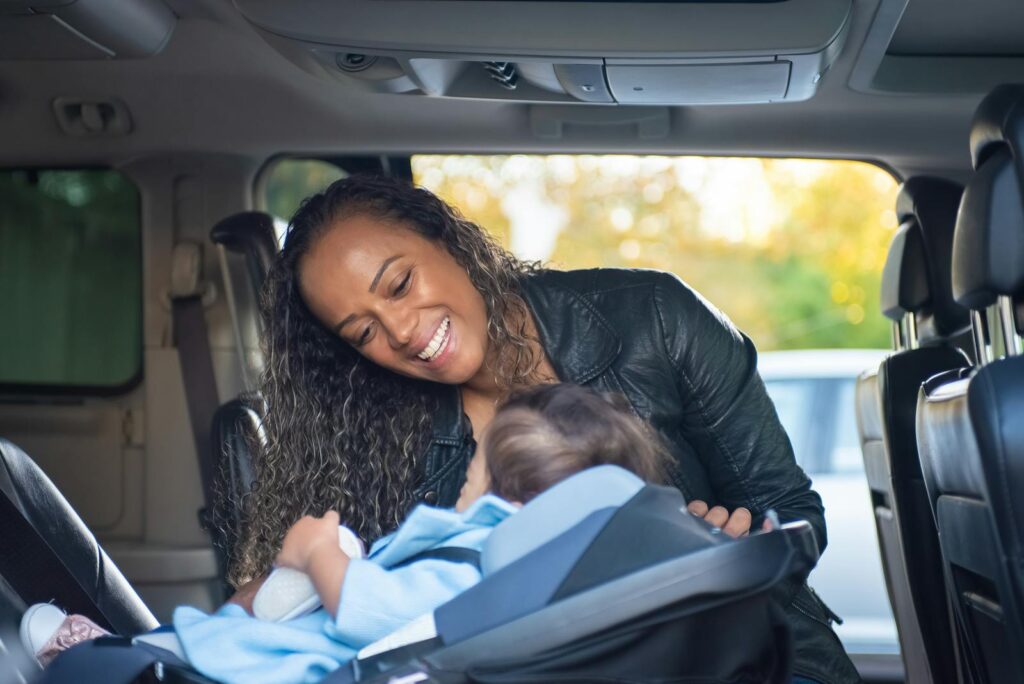
Babysitting siblings from a young age was practically a rite of passage. Older adults describe in one roundup of “things that used to be normal” that kids as young as eight or nine were left in charge of toddlers, bottles, and bedtime routines while parents worked late or ran errands. According to those recollections, this was not an occasional favor, it was a daily responsibility that kicked in as soon as a child was considered “the big one.”
Modern parents, steeped in conversations about emotional labor and burnout, hesitate to put that kind of pressure on grade‑schoolers. They worry about accidents, but also about the stress of managing meltdowns, diapers, and dinner without adult backup. The shift shows how childhood has been redefined: instead of being junior caregivers, many older siblings today are encouraged to focus on homework and hobbies, while paid sitters or after‑school programs fill the gap.
4) Cooking Meals on the Stove Solo
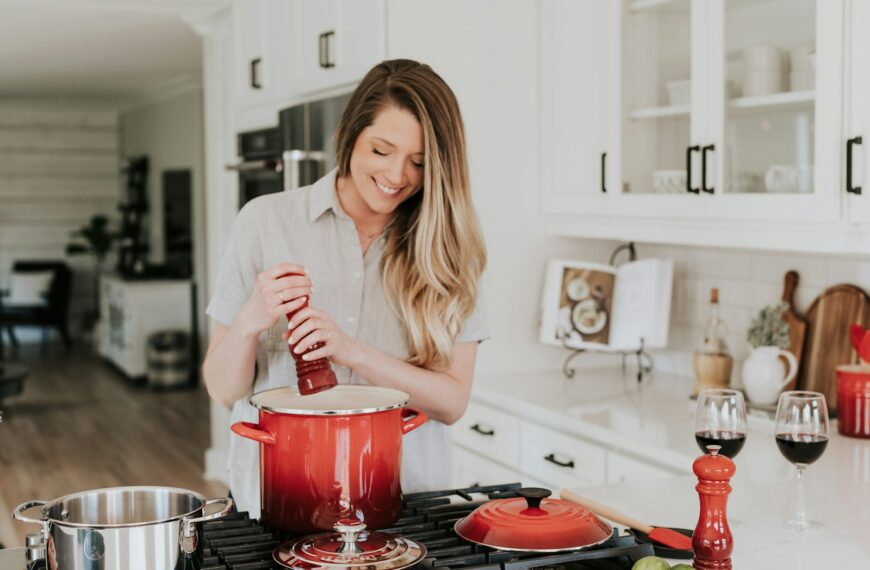
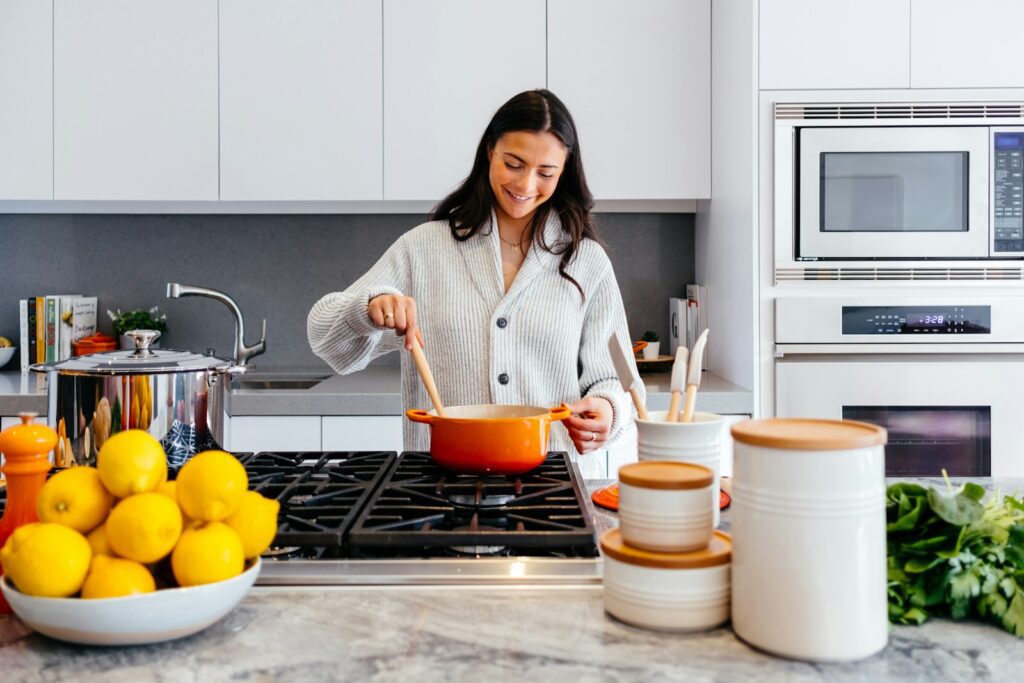
Cooking meals on the stove solo was another everyday task that now sounds wildly risky. Many ‘60s kids came home to empty houses, turned on gas or electric burners, and started dinner so it would be ready when adults walked in. In personal stories about what parents would never allow now, people describe kids handling hot pans, boiling water, and frying meat long before middle school, often with younger siblings waiting at the table.
Today, even letting a tween use the oven alone can feel like a big milestone, carefully supervised and usually limited to “Cooking simple meals” that start with pre‑shredded cheese and a timer. Parents picture burns, kitchen fires, and forgotten pots, and they have microwaves and meal kits to avoid those risks. The result is that many teenagers now reach high school with less hands‑on cooking experience than their grandparents had at ten, trading early competence for controlled safety.
5) Cleaning with Harsh Chemicals
Cleaning with harsh chemicals was another chore that ‘60s kids took on without a second thought. Older adults recall being handed bottles of undiluted bleach or ammonia and told to scrub bathrooms, mop floors, or tackle stained sinks. In one collection of memories about what “was considered normal,” people describe bare‑handed cleaning that left eyes watering and clothes streaked, with no masks, gloves, or open windows in sight.
Parents today read warning labels and think about long‑term exposure, asthma, and skin irritation, so they are far more likely to lock those products away or swap them for milder sprays. The change reflects a broader awareness of toxicity and indoor air quality, not just parental nerves. What used to be framed as “learning to keep house” is now filtered through safety data sheets and childproof caps, and kids are more likely to be assigned vacuuming than mixing bleach in a bucket.
6) Bike Deliveries Through Traffic
Bike deliveries through traffic rounded out the chore list for many preteens. Newspaper and flyer routes meant pedaling before sunrise or after school, weaving between parked cars and crossing busy intersections with a canvas bag slung over one shoulder. People reminiscing in a lively “Name a chore you did in the 60s” thread talk about racing the weather, dodging dogs, and learning every driveway on their block.
Parents now picture those same streets filled with SUVs, delivery vans, and drivers checking navigation apps, and they balk at sending a twelve‑year‑old out alone. Even organized routes that once relied on kids have shifted toward adults in cars. The disappearance of these bike‑based jobs shows how childhood freedom of movement has shrunk, replaced by supervised sports and scheduled activities that keep kids busy, but rarely put them in charge of their own route through town.
More from Decluttering Mom: