

When you start decluttering, you quickly run into a bunch of rules that promise to make everything easier and faster. But not all of those rules actually work when you try to apply them to your own space and lifestyle.
This article breaks down six common decluttering rules that often don’t make sense in real life, so you can spend less time stressing and more time enjoying a space that truly works for you. Understanding why some rules fall short can help you create your own approach that fits your needs better.
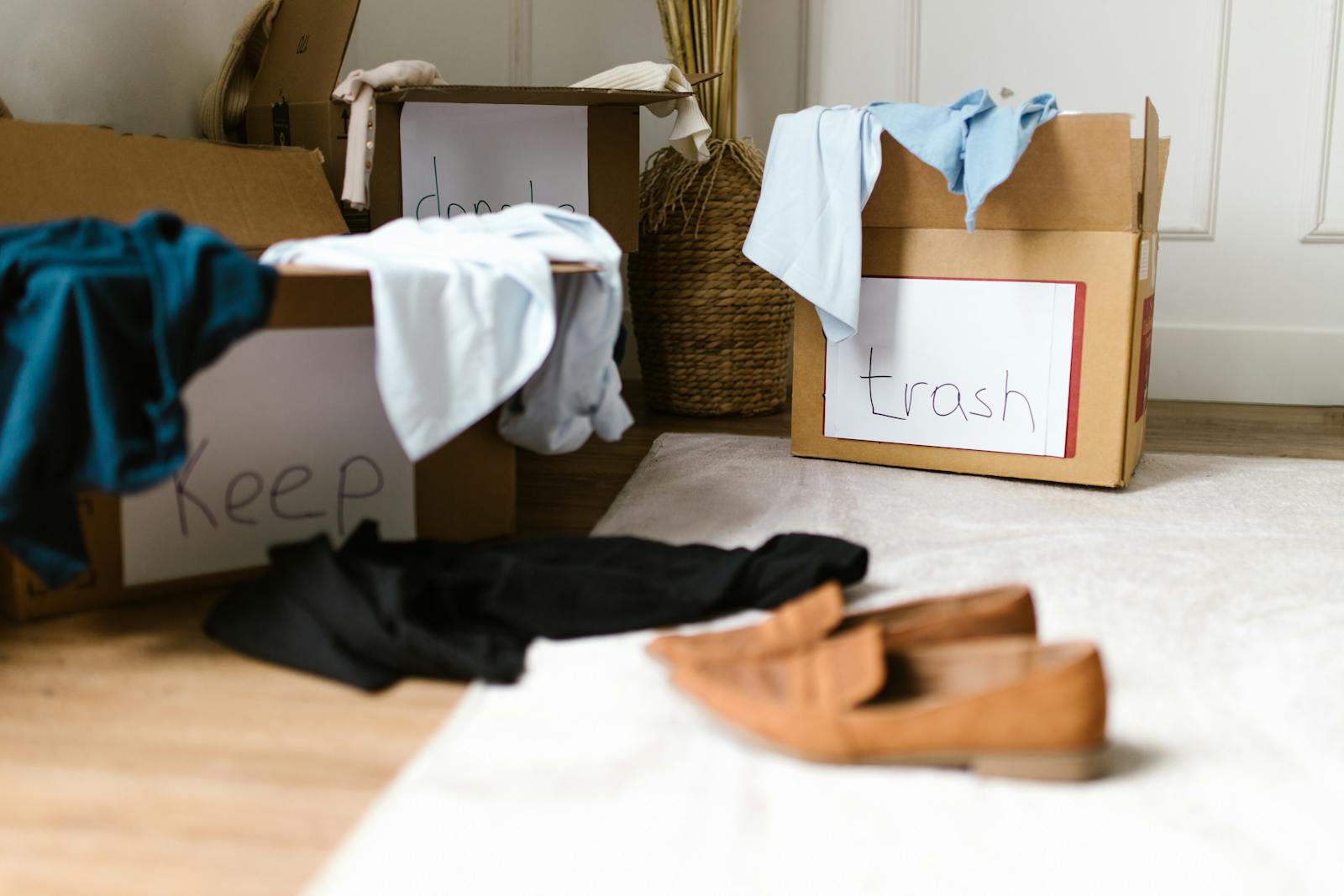
Only declutter when you have a whole day free
Waiting for an entire day to declutter can slow you down more than it helps. You don’t need a big chunk of time to make progress. Even small 10- or 15-minute sessions can chip away at clutter and keep things manageable.
Trying to cram decluttering into one long day often leads to burnout. Instead, fit decluttering into your regular routine in short bursts. This makes it less overwhelming and easier to stick with over time.
Keep every sentimental item ‘just in case’
Holding onto every sentimental item “just in case” can quickly turn your space into a storage problem. You might think you’ll need that old note or keepsake later, but chances are, it just adds clutter.
Instead, focus on a few meaningful pieces that truly matter. You can take photos of other items to preserve the memory without keeping the physical object.
This approach helps you honor your past without drowning in stuff. It’s about balance, not hoarding every single memory.
Throw out anything not used in the last 30 days
The rule to toss anything unused in 30 days sounds simple, but it doesn’t always fit real life. Some items serve seasonal or occasional purposes, like holiday decorations or special tools. You might not need them every month, but they’re still useful.
Also, some belongings hold value beyond everyday use. Sentimental items or emergency supplies might sit idle but are important to keep. Instead of a strict 30-day cutoff, consider whether something truly adds value or serves a purpose in your life.
Declutter by color instead of category
Decluttering by color might seem like a fun idea, but it can actually slow you down. When you sort clothes or items by color, you miss the bigger picture of what you really own in each category.
Focusing on categories like clothing or kitchen tools helps you make clearer decisions. You can spot duplicates or things you never use more easily.
Color sorting is better for organizing, not decluttering. If you start by color, you might keep items just because they look nice, not because you need them.
Purge your entire house in one session
Trying to clear out your whole house in one go sounds like a solid plan. But realistically, it often leaves you overwhelmed and exhausted. You’re more likely to rush decisions or miss spots entirely.
Instead, focus on small, manageable zones or quick 20-minute bursts. It builds momentum without burning you out.
If you insist on tackling it all quickly, keep your goals simple and use timers. Remember, quality beats speed when it comes to decluttering.
Only donate items in perfect condition
You don’t always have to donate items that look brand new. Many places accept gently used things that still work fine or are in good shape. Donating only “perfect” stuff can make you hold on to perfectly usable items that others might really need.
That said, avoid donating broken or unsafe items. It’s about being practical—give what you’d be happy to receive yourself. This helps ensure your donations actually help and don’t just add to someone else’s clutter or waste.