When we dine out or explore buffet options, there are some dishes even professional chefs avoid. Their insider knowledge helps us understand which foods might not be worth the risk—whether for taste, freshness, or safety reasons.
By learning which dishes chefs consistently steer clear of, we can make smarter choices and avoid common pitfalls at restaurants and buffets. This article highlights six foods that are often passed over by culinary experts for good reasons.
Buffet sushi
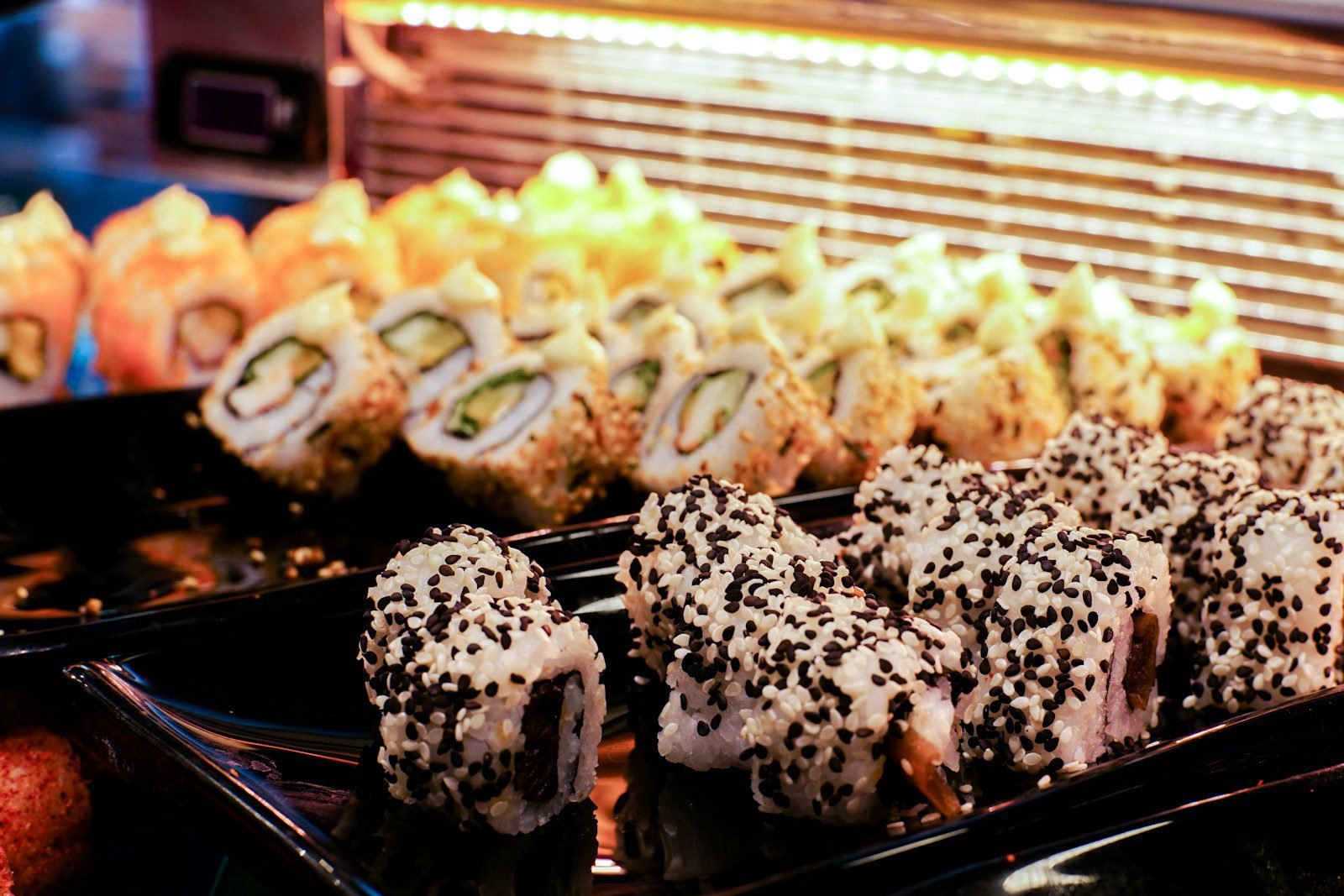
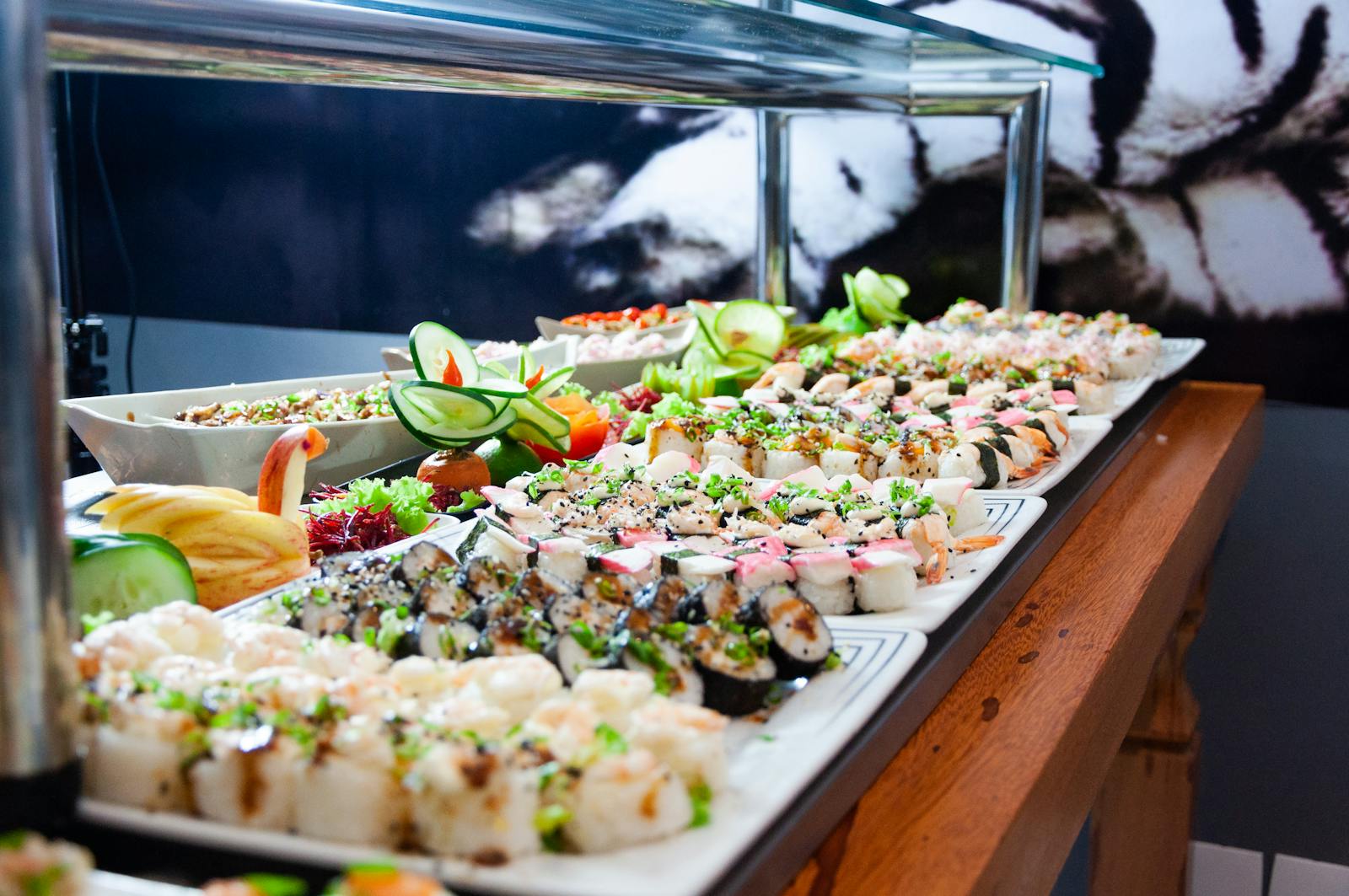
When it comes to buffet sushi, we usually stay clear. Sushi often sits out at room temperature for too long, which isn’t ideal for raw fish.
We’ve seen sushi rice kept at unsafe temperatures, which can increase the risk of foodborne illness.
Unless the buffet is high-end and well-managed, it’s hard to trust the freshness. It’s better for us to skip sushi here and avoid potential issues.
Mayonnaise-based salads
We’ve all enjoyed a creamy mayo-based salad at some point, but chefs often warn against buffet versions. These salads can easily spoil if not stored properly, increasing the risk of foodborne illness.
The classic potato salad or tuna salad might be tasty, but they demand careful handling. Left out too long, mayonnaise can become a breeding ground for bacteria.
While mayo adds great texture and flavor, we should always be cautious about freshness and hygiene. It’s best to enjoy these salads when we know they’ve been kept cold and served fresh.
Overcooked pasta dishes
We’ve all seen it: pasta so soft it almost melts into the plate. Overcooked pasta loses its texture and can make any sauce feel soggy and bland.
When pasta is cooked too long, it can become mushy and disappointing. This often happens with popular dishes like spaghetti and meatballs, where the pasta gets drowned in sauce.
We prefer pasta cooked just right—firm but tender. It makes a big difference in taste and keeps the dish enjoyable from the first bite to the last.
Pre-packaged seafood platters
We often see pre-packaged seafood platters as a convenient option, especially for gatherings. However, many chefs avoid them because they can be risky in terms of freshness and temperature control.
Since seafood is highly perishable, any lapse in proper storage can lead to unpleasant textures or even safety concerns. The mix of various seafood types in one package also means the quality of each item can vary.
We prefer seafood that’s freshly selected or prepared. This helps ensure the best taste and safety, even if it takes a bit more effort than grabbing a pre-made platter.
Steam table rice
Steam table rice is often overcooked and left sitting for hours, turning it into a mushy, flavorless mess. We know that perfectly steamed rice requires care, but what you find under a steam table rarely meets that standard.
It’s usually dry or overly sticky, losing the fluffy texture we all enjoy. Chefs avoid it because it can ruin a dish’s overall quality, and once rice sits too long, it loses any appeal it might have had fresh. We’d rather make fresh rice than settle for steam table leftovers.
Buffet crab legs
When we think about buffet crab legs, freshness immediately comes to mind. Unfortunately, crab legs at buffets can be hit or miss. Some places do a great job keeping them hot and tasty, while others might skimp on quality.
We’ve heard from buffet owners and chefs that crab legs often come from the lower end of seafood suppliers. This can affect flavor and freshness. So, it’s smart for us to check for cold, soggy legs or anyone using old ice displays before digging in.
If the crab legs look vibrant and are served on a clean ice bed, they’re probably safer to enjoy. Otherwise, it might be best to skip them.