Emotional purchases happen when you buy things driven more by feelings than practical needs. These moments can seem harmless or even comforting, but they often come with hidden costs that add up over time.
Understanding how emotional spending affects your finances helps you make smarter choices and avoid regrets. Recognizing these patterns is the first step toward gaining control and protecting your financial well-being.
Impulse buys on sale items that seem ‘too good to pass up’
You’ve probably seen a sale and felt like it was a mistake to leave without buying something. Discounts can trick you into grabbing things you didn’t plan for.
When prices drop, it’s easy to believe you’re saving money, but you might end up spending more overall.
These deals often urge quick decisions, so you miss the chance to think about whether you really need the item.
Remember, just because something is on sale doesn’t mean it’s a wise purchase for your budget or lifestyle.
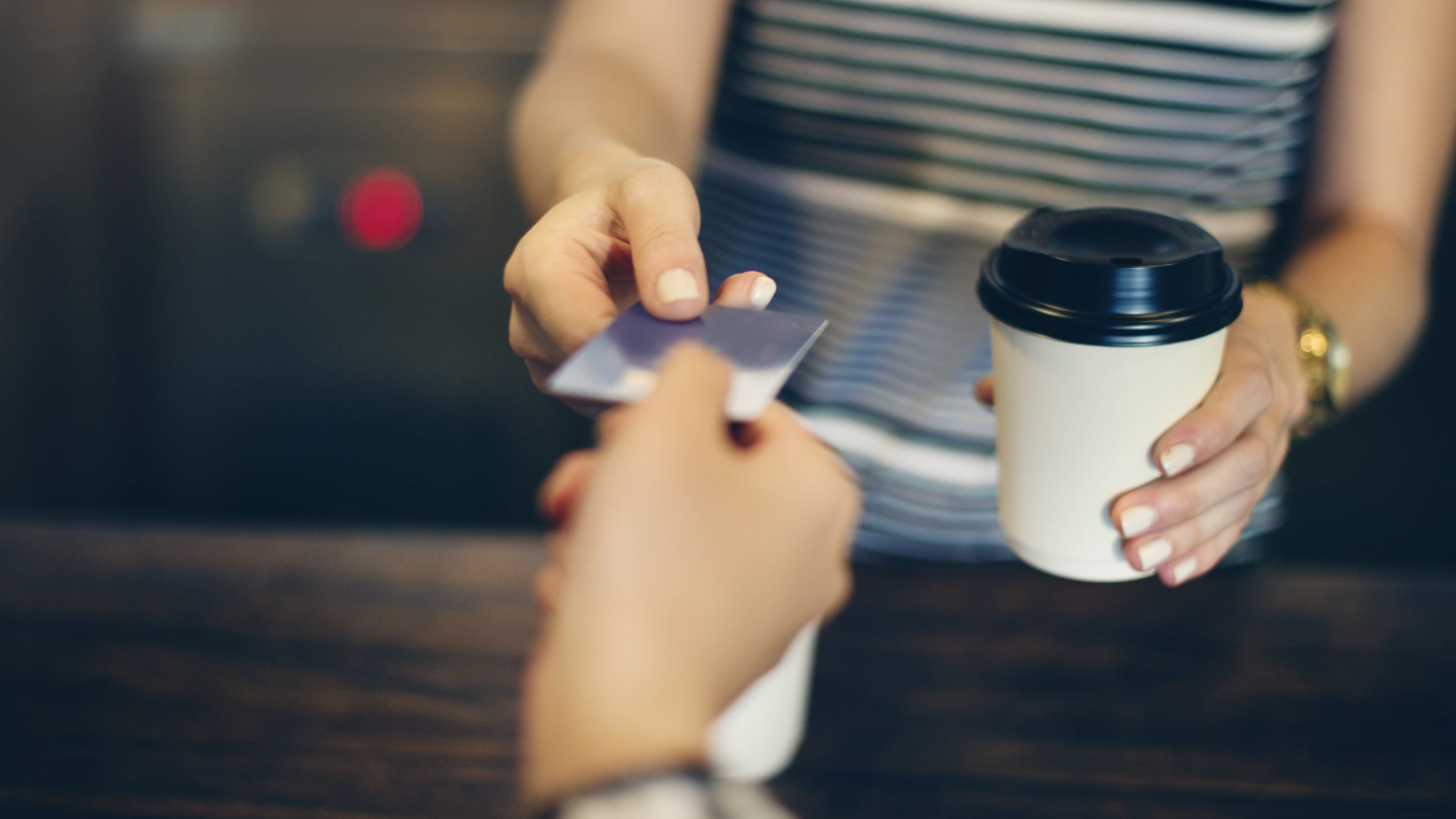
Expensive coffee drinks bought daily to boost mood
You might reach for a fancy coffee every day to lift your spirits. While coffee can help improve your mood and focus, those daily purchases add up quickly.
A $4 or $5 coffee might seem small, but over time, it can cost much more than you realize. You’re paying not just for caffeine but also the convenience and atmosphere.
If you’re mindful, you can enjoy coffee’s benefits without overspending. Brewing at home or limiting specialty drinks can keep your budget in check while still giving you that needed boost.
Trendy clothing purchased for social media validation
You might find yourself buying trendy clothes just to get likes or comments on social media. This kind of purchase often feels rewarding in the moment but can quickly lose its value after the post goes live.
When you dress to impress your online followers, you may overlook whether the clothes truly fit your style or needs. This can lead to clothing that stays unworn in your closet.
Chasing social media validation through fashion can also make you spend more than intended. It’s easy to get caught up in impulse buying when you’re focused on how others will react.
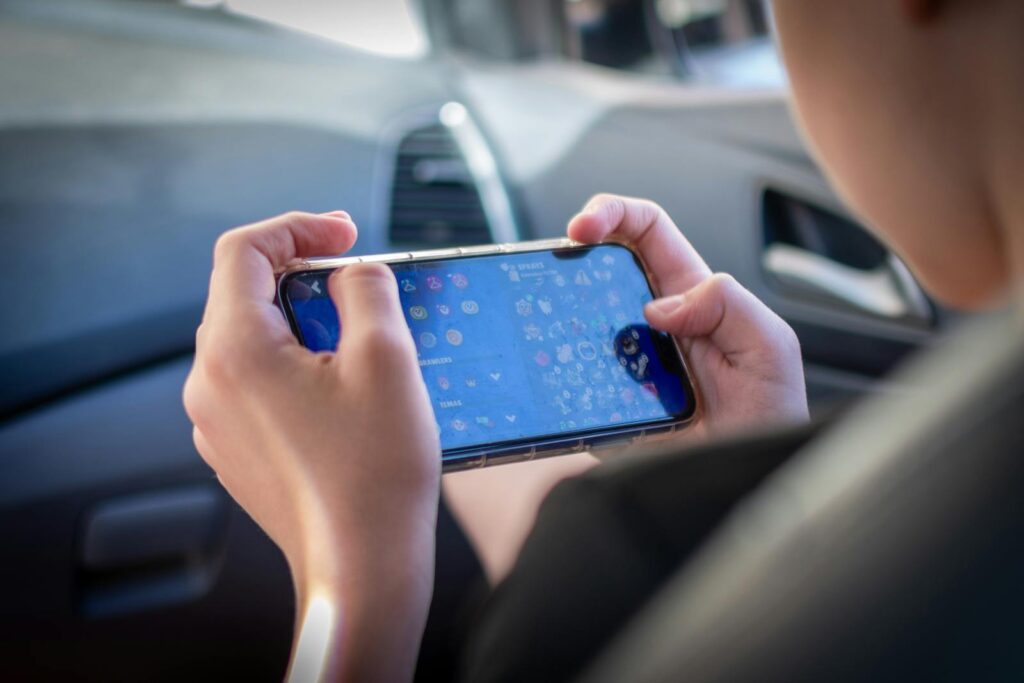
Gadgets bought to fill boredom or stress
When you feel bored or stressed, it’s easy to grab the latest gadget as a quick escape. You might think it will boost your mood or keep you entertained.
But often, these purchases don’t bring lasting happiness. The excitement fades fast, and the gadgets end up unused or forgotten.
Spending on items you don’t really need can add up, leaving your budget tighter than you expected. Try to pause and ask yourself if the purchase is solving the boredom or just masking it.
Last-minute event tickets bought to avoid missing out
When you buy event tickets last minute because you fear missing out, it’s often an emotional choice. You might pay more than planned just to secure a spot.
This urgency can make you overlook cheaper options or better seating that was available earlier.
Remember, sellers sometimes increase prices as the event nears to capitalize on your impulse.
If you wait too long, you might even turn to risky sources, which can be costly in other ways.
Being aware of this can help you make smarter decisions, even when that FOMO kicks in.
Luxurious skincare products promising quick happiness
When you buy luxury skincare, it’s easy to expect instant joy from the sleek packaging and high-end feel. These products often promise quick improvements, making you feel excited to use them.
But the emotional boost you get can sometimes cloud your judgment. You might spend more because you believe the product will deliver fast, noticeable results.
Remember, true skincare benefits usually take time. The short-term happiness from luxury brands can lead to spending more than you realize without immediate rewards.