


Lately, you might have noticed that some of your usual grocery items are costing more than you expected. What used to be everyday basics are now creeping into the luxury price range, making shopping feel a bit tougher on your wallet.
This shift happens quietly but affects your budget because factors like supply chain issues, climate changes, and growing demand are changing the way these foods are priced and accessed. It’s not just about occasional treats anymore—some staples are becoming harder to afford for many people.

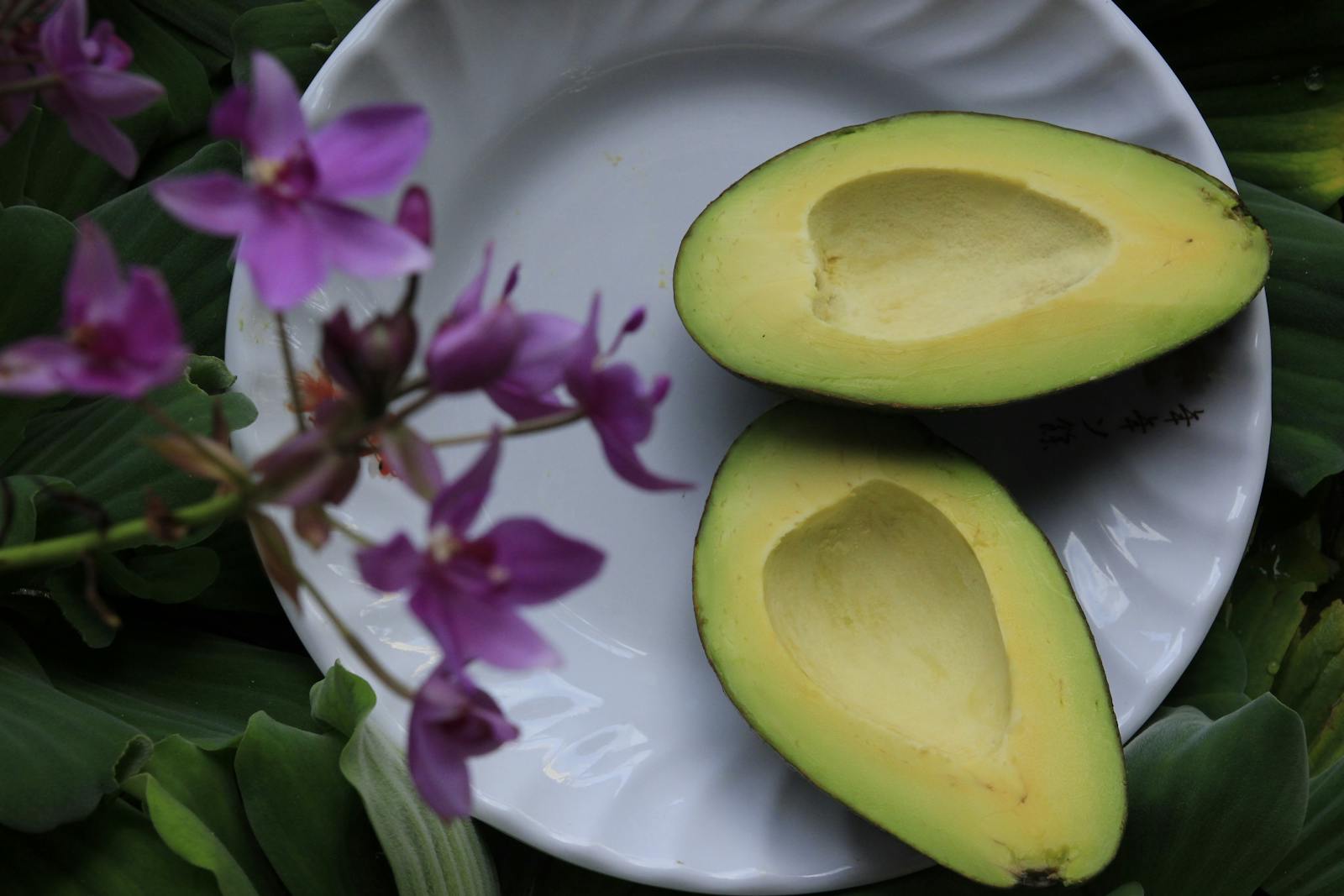
Avocado
You might have noticed your favorite avocado toast getting pricier. Avocados, once a relatively affordable staple, are now edging toward luxury territory.
This shift is due to factors like climate challenges and supply chain issues. Plus, growing demand for this nutrient-packed fruit means prices keep climbing.
If you love avocados, you’re not alone. But this rising cost might make you think twice before adding them to your grocery list every day.
Almond Butter
If you love almond butter, you might have noticed the price going up lately. This is because almonds themselves have become more expensive, thanks to higher demand and costs in growing them.
You’re paying more not just for the nuts but also for brands focusing on organic and clean-label options. These premium choices often steer clear of additives, which means better quality—and a higher price.
Despite the cost, almond butter remains popular for its health benefits and versatility in snacks and recipes. But it’s definitely moved into that “luxury” grocery category you didn’t expect.
Quinoa
You might remember when quinoa was everywhere, from trendy salads to grain bowls. It was once a go-to healthy staple for many people.
Now, quinoa has slipped into the luxury category. Its price has gone up, making it less of an everyday item and more of a specialty food.
This shift is partly due to changing food trends and supply issues. If you’re used to buying quinoa regularly, you might notice it feels like a treat rather than a pantry essential these days.
Wild-Caught Salmon
Wild-caught salmon has quietly stepped into the luxury lane. You might notice it costs more than farmed salmon because it’s less predictable in supply and caught from natural environments.
Its rich flavor and firm texture make a difference you can taste. Plus, many people choose wild salmon for health reasons or environmental concerns.
If you shop at places like Costco, you can find wild salmon options that feel special without breaking the bank. It’s one of those groceries that feels both fancy and familiar at the same time.
Extra Virgin Olive Oil
If you’ve noticed, your grocery bill for olive oil keeps creeping up. Extra virgin olive oil, once a simple pantry staple, now comes with designer labels and specialty origins that drive prices higher.
You can still find good quality options for everyday cooking, but expect to pay more for fresh, flavorful bottles. Look for harvest dates on the label to ensure freshness.
For daily use, stick to versatile oils that balance taste and price. They work great for cooking, dressing salads, or dipping bread without breaking the bank.
Organic Blueberries
If you’ve noticed organic blueberries creeping up in price, you’re not alone. These berries have become more of a luxury item as people seek out organic options for health and environmental reasons.
Choosing organic means you’re likely avoiding pesticides, which appeals to many shoppers. But keep in mind, organic berries usually cost more due to how they’re grown.
Still, many find the antioxidant benefits and cleaner growing practices worth the extra spend. If you’re on a budget, mixing organic and conventional blueberries is a common approach.