
Everyday items can sometimes feel a lot more expensive than they should, leaving you wondering if you’re paying extra for things you don’t really need to. You might not always notice it, but small price hikes or shrinking sizes can add up, making your usual purchases less valuable over time.
Knowing which products tend to cost more than they’re worth can help you save money without sacrificing what you really need. This article will take a quick look at six common items where you might be spending more than necessary, giving you a clearer idea of where to cut back.
Bottled Water
You probably grab bottled water because it’s convenient, but it can cost hundreds or even thousands of times more than tap water. Many bottled water brands just filter city water and sell it at a steep markup.
Tap water in the U.S. is regulated by the EPA, which means it’s safe and usually just as clean as bottled versions. Paying so much for bottles isn’t really about quality—it’s mostly about branding and convenience. So next time, think twice before reaching for that pricey bottle.
Brand-Name Cereal
When you grab brand-name cereal, you’re often paying a premium just for the packaging and the label. Taste-wise, many store-brand cereals are pretty close, sometimes even the same.
You might notice subtle differences, like sweetness or texture, but the nutrition is usually similar. If you’re looking to save money, trying generic cereals could be worth it without sacrificing much.
That said, if you really love a specific flavor or brand, it might be worth the extra cost for your morning bowl. But don’t feel like you have to always stick to brand names.
Pre-Packaged Salads
Pre-packaged salads can be a real time-saver when you’re in a rush. They come pre-washed and ready to eat, which means less prep work for you.
But heads up, they often cost way more than buying whole veggies separately. You’re paying extra for convenience, plus those dressings and toppings that don’t always add much nutrition.
If you want to save money, buying fresh lettuce and making your own dressing is usually cheaper. Just keep in mind the trade-off between time and cost when you reach for those salad kits.
Single-Use Coffee Pods
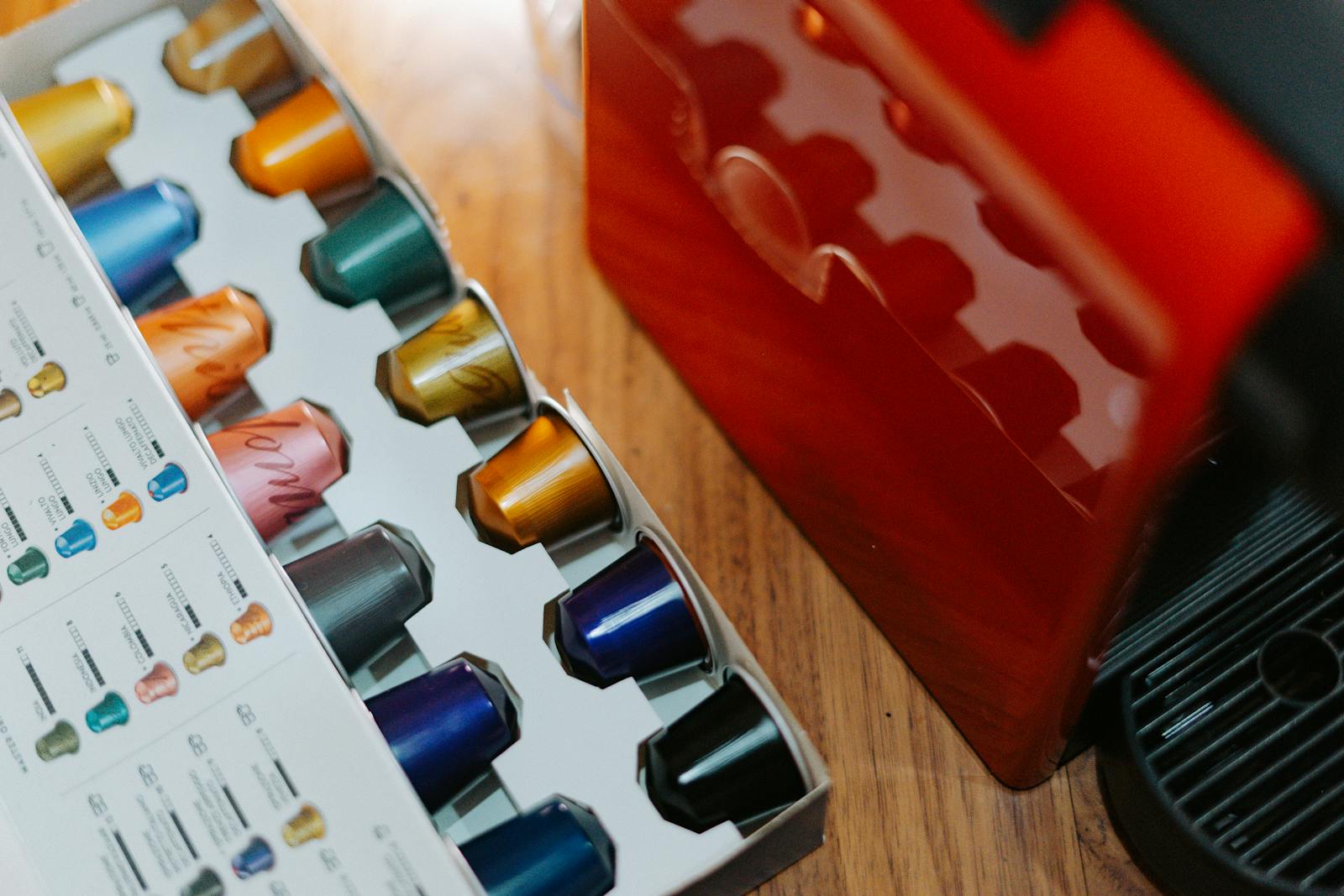
If you enjoy the convenience of single-use coffee pods, be ready to pay more. Pods can cost 5 to 10 times more per cup compared to buying ground or whole bean coffee.
You might save some time, but the price adds up quickly. Plus, these pods create a lot of waste, which isn’t great for the environment.
Switching to refillable pods could save you money and reduce trash. These reusable options last hundreds of uses and still give you a good cup of coffee.
Name-Brand Toothpaste
You might reach for a name-brand toothpaste thinking it’s worth the extra cost. Popular brands like Crest and Colgate often come with a higher price tag because of their reputation.
But many cheaper toothpastes can clean just as well. Some budget-friendly options even have fluoride and ADA approval, meaning they meet the same safety and effectiveness standards.
So, if you want to save money, check the ingredients and certification rather than just the brand name. Your smile doesn’t have to suffer if you go for a less expensive toothpaste.
Designer T-Shirts
You might think designer T-shirts are worth the extra cash because of the brand name. But often, the quality isn’t that much better than regular options.
The fabric and durability sometimes don’t justify the high price tag. Plus, many designer tees focus more on style than comfort.
If you want to invest in your wardrobe, pick neutral colors that won’t go out of style. This way, your purchase feels smarter, not just trendy.