


If you’ve noticed your grocery bills creeping up lately, you’re not imagining things. Several everyday foods have seen noticeable price jumps this year, making meal planning and shopping a bit more stressful.
Understanding which foods have gotten more expensive can help you make smarter choices while sticking to your budget. Knowing what’s driving these price increases lets you adjust your shopping habits without giving up on the essentials.

Chicken (especially wings and boneless breasts)
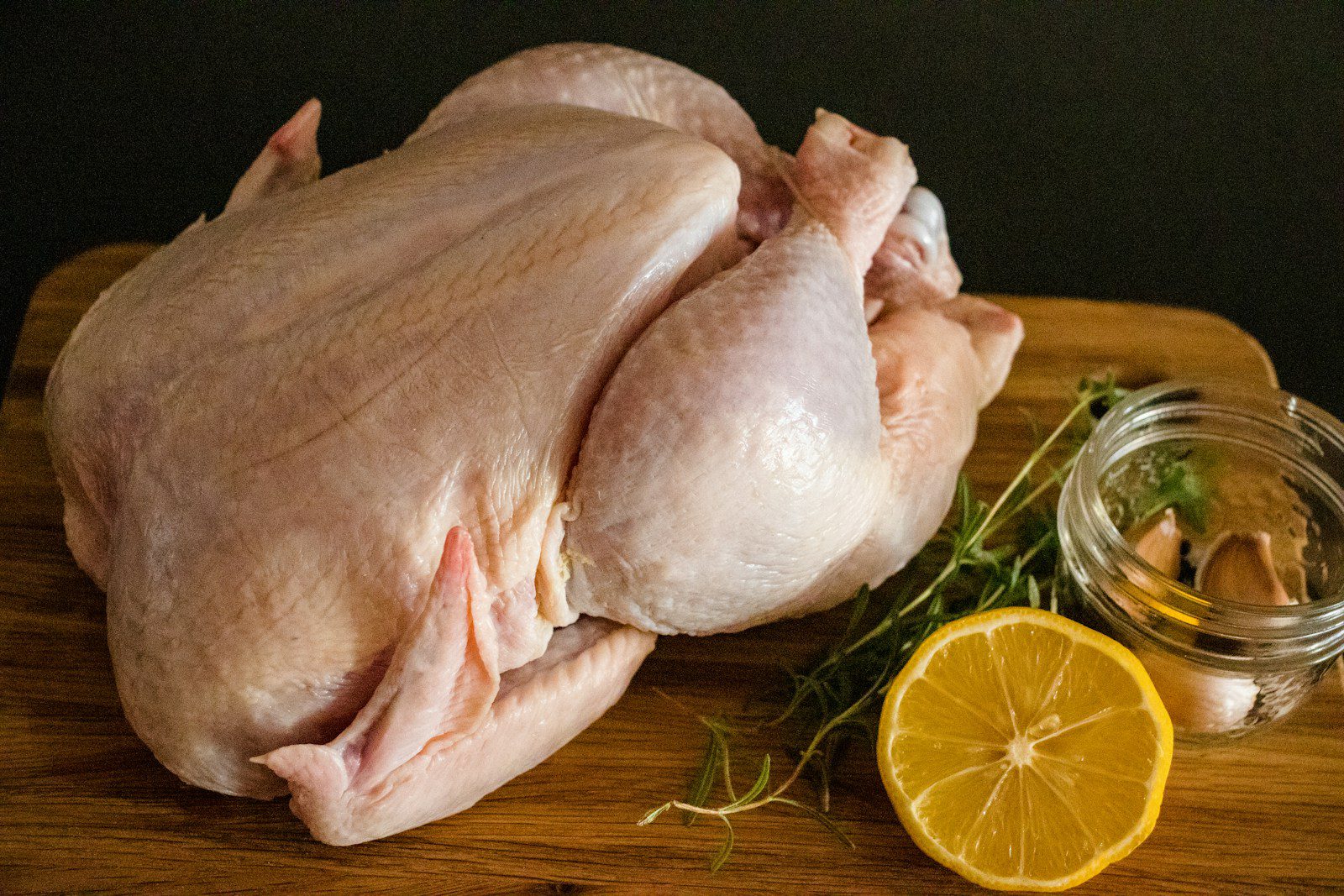
You might have noticed chicken wings aren’t the bargain they used to be. Once just a throw-in when buying a whole bird, wings have shot up in price thanks to their popularity at bars and game days.
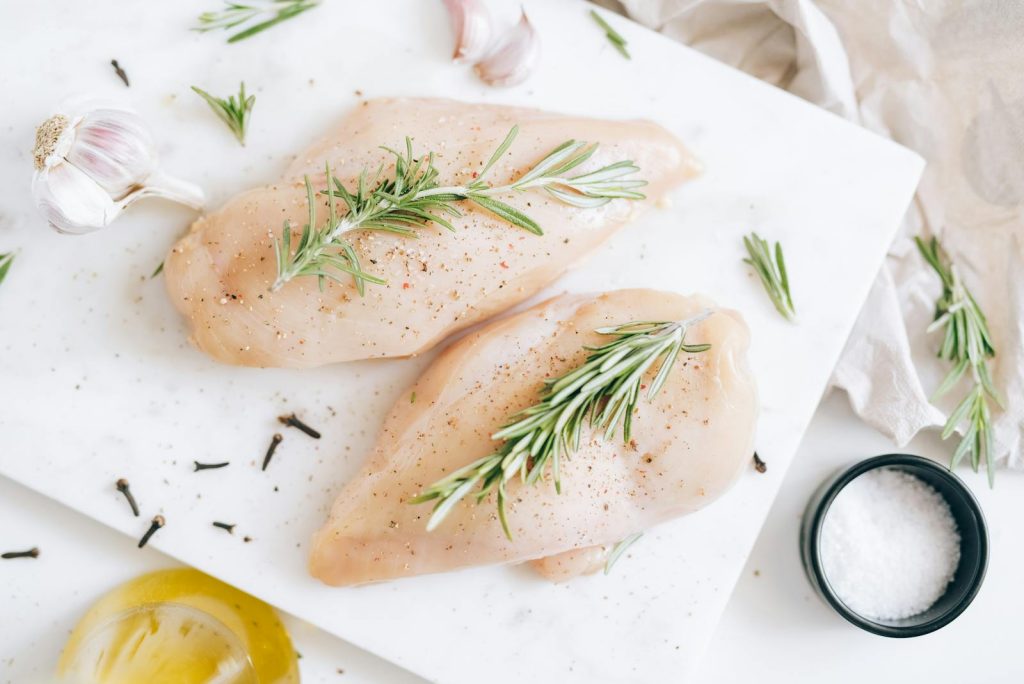
Boneless chicken breasts, which you probably use a lot, have also climbed in price. They’re lean and convenient but tend to cost more than other cuts.
Interestingly, boneless wings—actually pieces of breast meat—are cheaper than traditional bone-in wings. So if you want to save a bit, those might be a smart option.
Eggs due to disease outbreaks and feed costs
You might have noticed egg prices going way up this year. A big reason is disease outbreaks like avian flu that have forced farmers to cull millions of hens. Fewer hens mean fewer eggs for you to buy.
On top of that, the cost to feed hens has risen. When feed gets more expensive, it pushes egg prices higher too. The combo of less supply and more expense is why your grocery bill for eggs has jumped.
Fresh fruits influenced by weather and transport
You might not realize how much weather affects the price of fresh fruits. Extreme heat, storms, and seasonal changes can reduce crop yields, meaning less fruit makes it to your local store. This can make your favorite fruits more expensive or harder to find.
Transportation plays a big role too. If produce is damaged during shipping or faces delays, it can spoil before reaching you. Poor shipping conditions can waste up to half of fresh fruits, pushing prices up because there’s less good stuff available.
So when you see prices rising, remember it’s often a mix of nature and logistics working against your fruit budget.
Bacon getting pricier at grocery stores
If you’ve noticed bacon prices creeping up on your grocery list, you’re not alone. Bacon costs have been rising because of several factors like supply chain hiccups and higher feed expenses.
Bacon went up about 25% over the last five years, with prices moving up and down regularly. You might see a slight drop compared to last year, but overall, it’s still pricier than before.
Demand for bacon remains strong, which keeps prices higher. Plus, labor shortages and global market shifts play a part in why you’re paying more at the checkout.
Butter costs rising steadily
You’ve probably noticed butter prices creeping up at the store. This year, butter has become noticeably more expensive, hitting highs not seen in over a year.
One big reason is feed costs for dairy cows, which have jumped a lot. Feed makes up about 60% of milk production expenses, so when feed prices rise, so does butter.
Labor shortages and supply chain delays don’t help either. Together, these factors keep pushing butter prices higher, even though demand has stayed pretty steady.
Bread prices hitting new highs
You might have noticed that bread costs more than before. Prices have climbed due to higher wheat costs and increased transportation expenses.
This price jump affects your grocery bills, especially if you buy bread regularly. Some people are baking at home or looking for local bakeries to save money.
Even with the rise, bread remains a pantry staple for many. But these price changes might make you rethink how you shop for it.