Many families today are feeling the pinch at the grocery store as prices rise faster than our budgets can keep up. What used to be affordable staples are now stretching our wallets thinner than before, making meal planning more challenging.
Understanding which common foods have become less budget-friendly helps us make smarter choices for our families. By recognizing these changes, we can find ways to adjust our shopping habits without sacrificing nutrition or taste.

Eggs
Eggs used to be a go-to budget-friendly staple for many of us. Lately, though, their prices have jumped significantly, making them harder to fit into our grocery budgets.
We’ve noticed eggs aren’t as affordable as they once were, especially when feeding a family. This shift means we’re all looking for alternatives or cutting back on how many eggs we buy.
Luckily, there are other protein options and meal ideas that help us keep costs down without giving up nutrition. It’s a good time to explore some new budget-friendly foods to replace eggs in our meals.
Breakfast cereal
Breakfast cereal used to be a reliable, affordable choice for many families. Lately, though, the price has steadily increased, and box sizes have shrunk.
This means we’re often paying more for less cereal. Some popular brands can now cost over $6 per box, which makes it harder to keep cereal in the budget.
If we want to save, exploring alternatives like oats or homemade options could be good ideas. It’s still possible to enjoy a quick breakfast without breaking the bank.
Beef
Beef prices have climbed steadily, making it harder for many of us to include in our regular meals without stretching the budget. We used to rely on popular cuts like ribeye or filet, but these have become costly for everyday cooking.
Thankfully, there are budget-friendly beef cuts like chuck, flank, and round that still offer great flavor. They may require slower cooking or more preparation, but they help us enjoy beef without overspending.
Buying in bulk or choosing less popular cuts can save us money while keeping our meals hearty and satisfying. With a bit of planning, beef can still fit into our family dinners.
Coffee
Coffee used to be an affordable daily treat for many families. Now, the price of buying coffee, especially from cafes, has gone up enough to make us think twice before grabbing that morning cup out.
Making coffee at home is a smart way to save. Buying beans in bulk and brewing ourselves helps keep costs down without giving up the comfort we enjoy.
Even though coffee remains a popular staple, it’s clear we need to adjust how we buy it to stay within our budgets.
Snack foods
Snack foods used to be an easy way for us to stay within budget, especially with simple items like cereal or packaged treats. Now, prices for many popular snacks have increased, and portion sizes have shrunk, making them less affordable than before.
We’ve noticed that even staples like snack bars or chips often cost more, which adds up quickly when feeding the family. It’s getting harder to find budget-friendly options that don’t sacrifice quality or quantity.
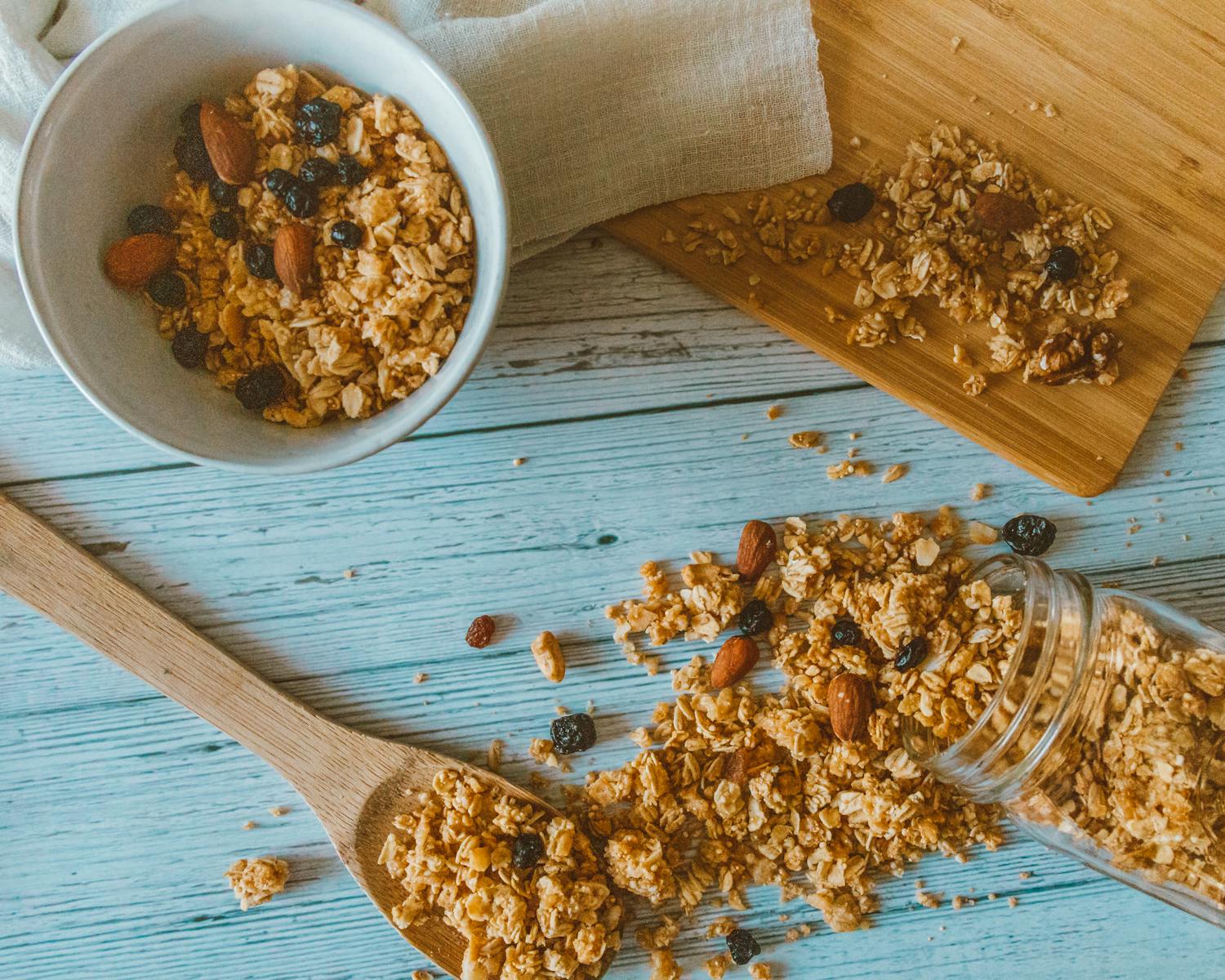
To keep costs down, we focus more on whole foods like fruits, nuts, or homemade snacks, which can be both tasty and economical. This shift helps us avoid spending too much while still satisfying cravings between meals.
Fresh seafood
Fresh seafood has become noticeably more expensive for many of us. Shrimp, once a common choice, now commands a much higher price, making it less affordable.
We can still enjoy seafood by turning to alternatives like mussels, clams, or frozen options. Frozen seafood often offers the same nutrition as fresh but usually costs less and lasts longer.
Canned seafood is another budget-friendly option. It allows us to enjoy the flavors of the sea without stretching our grocery bills.