As we navigate through 2025, many everyday foods have started to feel less accessible than before. Changes in climate, supply chains, and growing global demand are quietly turning familiar grocery items into luxury purchases for many of us.
Understanding which foods have shifted into the luxury category helps us make smarter choices for our budgets and meals. By paying attention to these shifts, we can adjust how we shop and plan, even as prices and availability change.

Avocado
Avocados have quietly become a luxury item for many of us in 2025. With global demand rising sharply, especially in Europe and Asia, supply struggles to keep up. Climate challenges in major growing areas like Mexico and California are shrinking harvests.
As a result, prices have climbed, making this creamy fruit more of a treat than an everyday staple. Still, we can appreciate its taste and health benefits, which keep avocados in high demand despite the cost. They’ve truly earned a special spot on our shopping lists.
Almond Milk
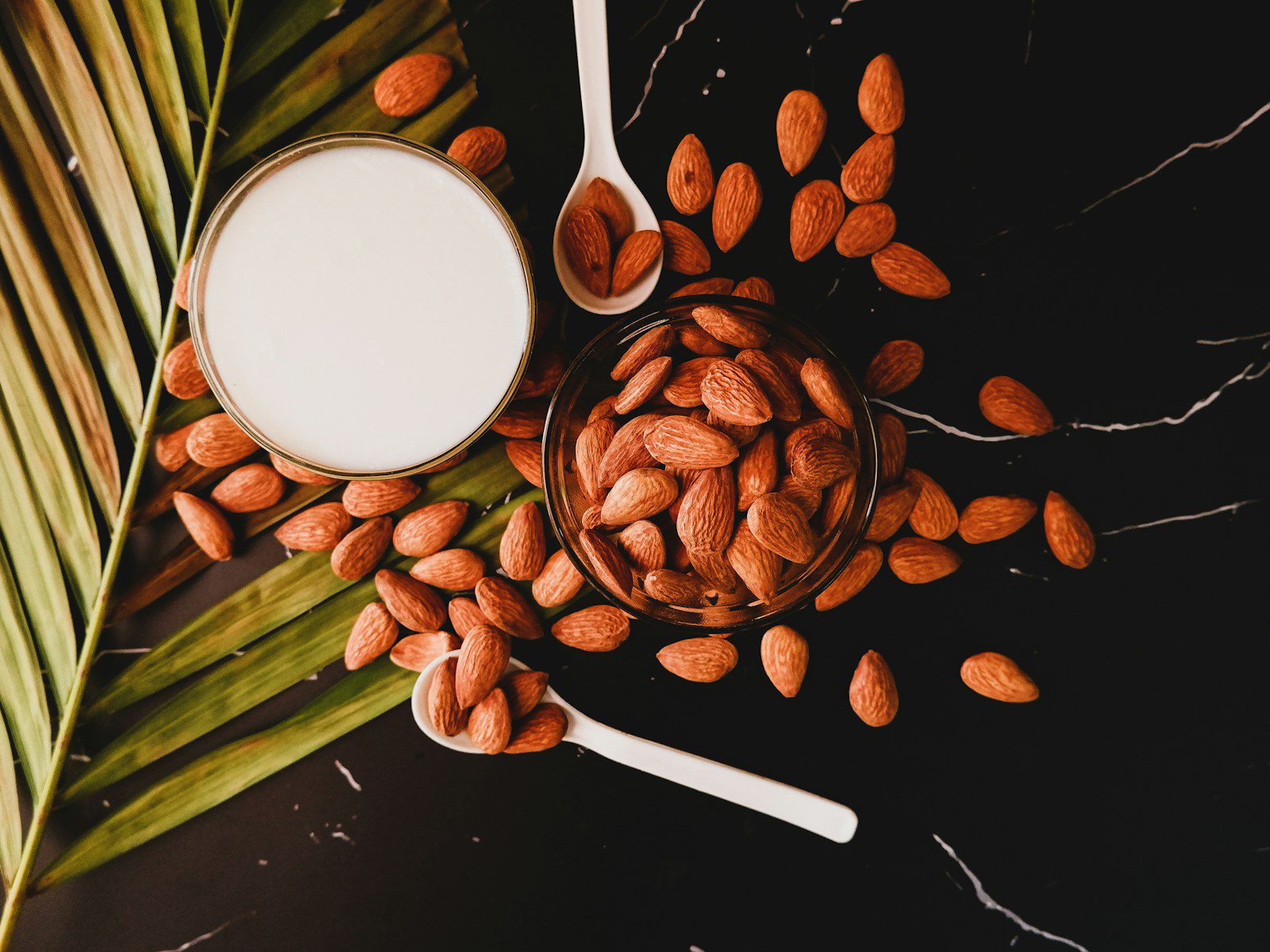
Almond milk has quietly shifted into a luxury category for many of us in 2025. The rise in nut prices and demand for organic, clean-label options means we’re paying more for our favorite plant-based milk.
Many brands now focus on quality and sustainability, using organic almonds and avoiding additives. This makes almond milk pricier but also tastier and better for the environment.
We see a lot of variety too—from unsweetened to flavored and fortified versions. Choosing the best almond milk often means balancing taste, health benefits, and cost.
Quinoa
Quinoa has long been a favorite for those of us wanting a nutritious and protein-packed grain. In 2025, it quietly shifted into a luxury item as demand increased and supply chains tightened.
We’re seeing more gourmet and artisanal quinoa products, like quinoa chips, becoming popular in upscale markets. This change has made quinoa less of a staple and more of a specialty food.
Even though quinoa remains nutritious, its price reflects how trends and market shifts can turn everyday foods into luxury experiences for many of us.
Sushi-grade Salmon
Sushi-grade salmon has quietly become a luxury staple in 2025. We often hear the term, but it doesn’t have a strict official definition. It mostly means the fish is safe to eat raw, meeting strict safety and freshness standards.
With growing demand, prices have risen, making sushi-grade salmon less of an everyday buy. Lab-grown salmon, now FDA approved, is entering menus as a sustainable option, but traditional sushi-grade salmon still holds a premium place in our kitchens and restaurants.
Organic Coffee
Organic coffee has quietly become a luxury item in 2025. We’re paying more for beans grown without synthetic pesticides or chemical fertilizers. This eco-friendly approach means higher production costs but also better quality.
We now find brands offering single-origin, shade-grown beans that are both organic and fair-trade. It’s not just about taste; it’s about supporting sustainable farming and healthier choices.
Trying organic coffee feels like a small upgrade in our daily routine. It connects us to the land and farmers who care about the planet while delivering a rich, clean flavor we can enjoy guilt-free.
Grass-fed Butter
Grass-fed butter has quietly become a luxury item in 2025. Its appeal lies in better flavor and a richer nutrient profile, including beneficial fatty acids like Omega-3s and CLA.
We appreciate its deep yellow color and creamier texture compared to regular butter. Brands like Kerrygold have made it easy for us to find this quality butter at many stores.
Though more expensive, grass-fed butter fits our growing interest in ethically sourced and healthier food choices. It’s a small upgrade that often makes a noticeable difference in cooking and baking.