I’ve noticed that some everyday groceries cost way more than they should, and it’s easy to miss which ones are quietly draining your wallet. It can be frustrating to realize you’ve been paying extra just for convenience or branding without even knowing it.
Knowing which items tend to be surprisingly overpriced and where to find better deals can save you a good chunk of money on your regular shopping trips. In this article, I’ll share six common groceries that often come with a bigger price tag than necessary and offer tips on where to buy them cheaper.

Pre-cut fruits and veggies – buy whole and chop yourself
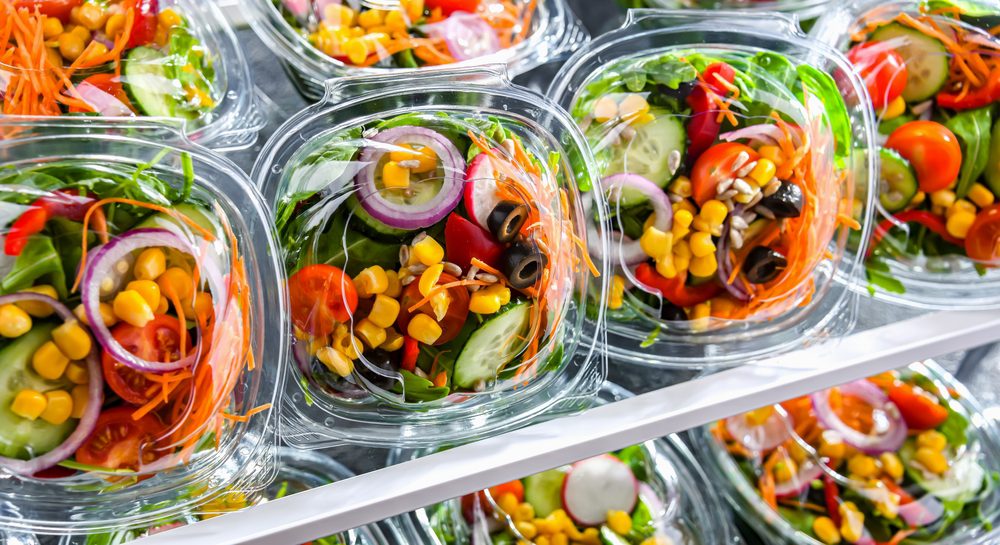
I always find pre-cut fruits and veggies way more expensive than buying whole. Stores often charge up to three times more for the convenience of chopping for you.
Plus, pre-cut produce doesn’t last as long, and sometimes it feels less fresh. I save money and get fresher food by buying whole fruits and veggies and chopping them myself.
If you want to learn more about why pre-cut produce costs so much, check out this explanation on Mashed. It’s a solid time-saving hack to do the prep yourself when you can.
Organic spinach – often cheaper at discount grocers
I used to buy organic spinach only at specialty stores, thinking it was always pricey. Turns out, discount grocers and places like Walmart often have organic spinach for less. Buying from these stores can save a good amount without sacrificing quality.
Frozen organic spinach is another option I check out. Brands like Great Value offer USDA certified organic frozen spinach that is budget-friendly and lasts longer. Shopping around stores like Whole Foods or Kroger, especially during sales, can also land you better deals on organic spinach.
If you want to save, avoid sticking to just one store and explore options at discount grocers or bulk-buy frozen spinach.
Bottled spices like cinnamon – get bulk versions instead
I used to buy cinnamon in small bottles, and it felt expensive for what I got. Bottled spices like cinnamon often cost more because of the packaging and added retail markups.
Buying bulk cinnamon lets you save money and get fresher spice for longer. You can find good quality bulk cinnamon from places like Spice Inc or American Spice, where prices are better and quantities can fit your needs.
I prefer bulk because I can pick between types like Ceylon or Saigon cinnamon, which taste different. Plus, ordering in bulk reduces packaging waste, which is a nice bonus for the environment.
Artisanal cheeses – swap for store-brand varieties
Artisanal cheeses can be pretty pricey, especially when you’re looking for fancy flavors or unique textures. I’ve found that store-brand varieties often offer good quality without the steep cost.
Many grocery stores carry decent store-brand cheeses made with high-quality milk and traditional methods. It’s a smart way to enjoy nice cheese without breaking the bank.
If you want to explore, some chains even have standout cheese departments where you can find a great balance between artisanal and affordable. Checking those out is always worth it.
Pre-packaged salads – mix your own greens
Pre-packaged salads can be pretty convenient, but they often come with a higher price tag. I’ve found it’s usually cheaper to buy the greens separately and mix my own salad at home.
Buying bulk greens like spinach, arugula, or kale means I can customize my salad exactly how I like it. Plus, I avoid paying extra for pre-cut veggies or dressings I don’t want.
If you want some ideas on the best store-bought salad kits or greens, check out this list of healthy bagged salad kits. It’s a solid starting point before you decide to go fresh and DIY.
Gourmet bottled water – tap or filtered water saves money
I used to spend a lot on fancy bottled water, thinking it was cleaner or tastier. Turns out, most of it is just filtered tap water repackaged. Brands like Aquafina and others use tap water but sell it at a premium.
Switching to a home water filter cut my costs significantly. It’s way cheaper over time and better for the environment too. If you want clean water without blowing your budget, filtered tap water is the smarter pick.