

When we shop for groceries, we often focus on choosing the freshest and best-quality items. However, the way we handle and store these foods after buying can have a big impact on how long they last. Many common habits unintentionally shorten the shelf life of our groceries.
Understanding the mistakes that cause produce or other items to spoil faster helps us keep food fresh longer and reduce waste. By learning simple adjustments, we can save money and enjoy tastier meals without constant trips to restock.

Storing tomatoes in the fridge kills their flavor and shortens shelf life
We might think the fridge keeps tomatoes fresh longer, but it actually dulls their flavor and changes their texture. Cold temperatures disrupt the natural ripening process, making them mealy and less tasty.
It’s better to store tomatoes at room temperature, stem-side down if possible. This helps them ripen evenly and keeps their flavor intact.
If tomatoes start to over-ripen, we can refrigerate them briefly, but we should eat them soon after to avoid losing quality. Keeping just enough tomatoes to use quickly helps us avoid this problem altogether.
Using the wrong containers like non-airtight ones causes faster spoilage
When we use containers that aren’t airtight, air and moisture get in, speeding up spoilage. This lets bacteria and mold grow faster, which means our food won’t last as long as it should.
Choosing BPA-free plastics, glass containers with tight lids, or silicone bags helps keep air out. It also keeps flavors and textures fresh, so we enjoy our food longer.
If we freeze food, using containers designed for the freezer prevents cracking and freezer burn. This small step extends the shelf life and keeps our meals safe to eat.
Placing food directly on cement floors can lead to contamination
We should avoid placing food directly on cement floors because it can cause contamination. Cement can absorb moisture and leach chemicals, which may damage food packaging and spoil the items inside.
Keeping our food off the ground also helps prevent pests like insects and rodents from reaching it. We can protect our food’s quality and safety by storing it at least six inches above the floor. This small step makes a big difference for our grocery stockpile.
Not covering food properly exposes it to air and bacteria
When we leave food uncovered, it’s exposed to air, which speeds up drying and spoilage. This also allows bacteria to settle on the surface, increasing the risk of contamination.
Uncovered food can absorb odors from other items in the fridge, altering its taste. Covering our food properly helps keep it fresh, flavorful, and safe to eat longer.
Using airtight containers or wraps creates a barrier, slowing down moisture loss and limiting bacteria growth. It’s a simple step that protects our groceries and reduces waste.
Freezing food for too long diminishes quality and texture
Freezing is great for preserving food, but keeping it frozen for too long can affect how it tastes and feels. Over time, ice crystals inside the food grow and damage its structure. This makes the texture mushy and less enjoyable.
Each freeze-thaw cycle worsens this damage by breaking down cell walls. We lose moisture, and that affects both the taste and nutritional quality. To keep our frozen food at its best, it’s important to use it within recommended time frames. That way, we avoid freezer burn and maintain good flavor and texture.
Mixing fruits and vegetables without humidity control speeds up spoilage
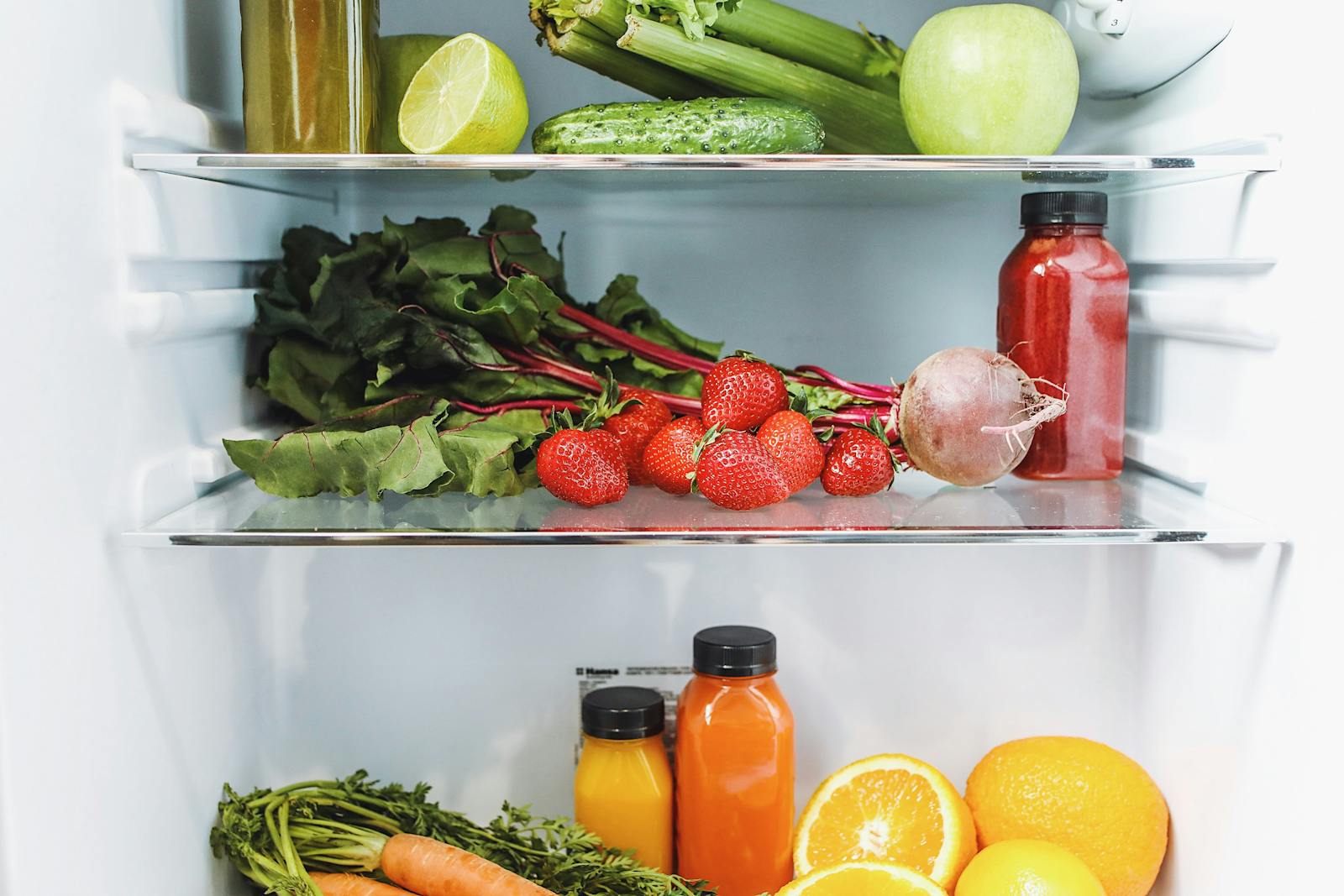
When we mix fruits and vegetables without managing humidity, we invite faster spoilage. Different produce items need specific humidity levels to stay fresh longer.
Some fruits, like apples and bananas, release ethylene gas, which speeds up ripening. If stored with vegetables that are sensitive to ethylene, those veggies spoil sooner.
Humidity plays a big role too. High moisture can cause mold or rot on some veggies but might be needed for others. Without controlling humidity, we risk losing the quality of both fruits and vegetables quickly.