


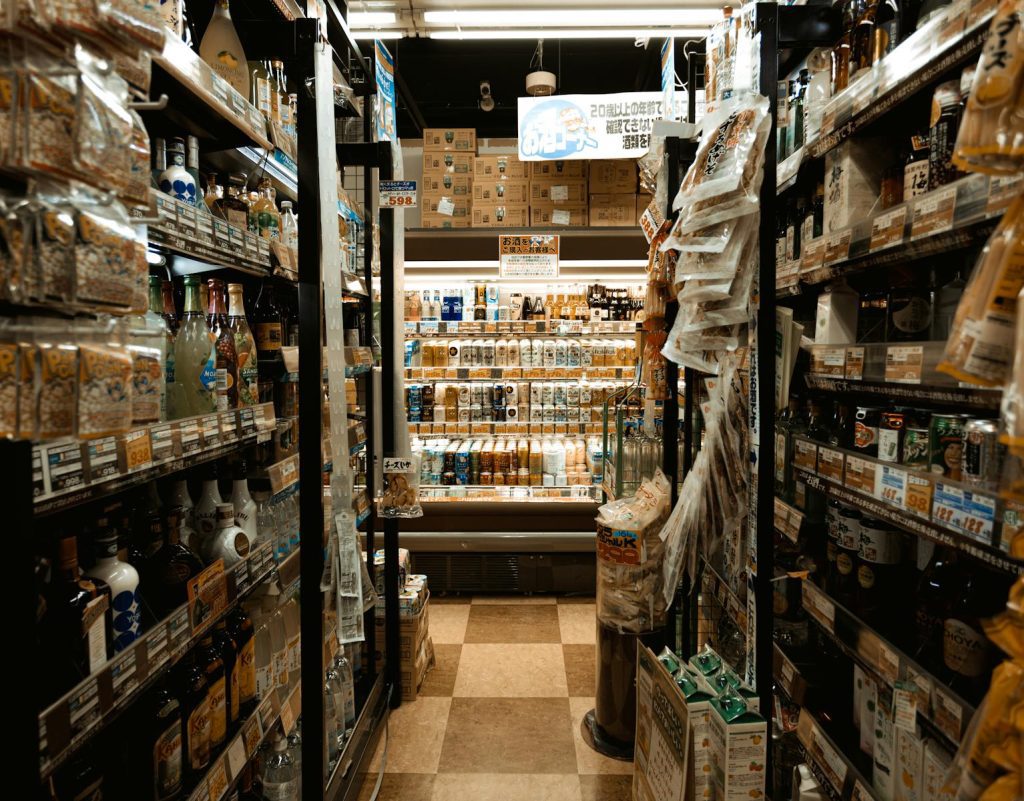
It’s easy to get swept up in colorful packaging and convenience when walking through the grocery store aisles. But many of the things that end up in our carts are quietly draining our budgets without adding much value. From overpriced shortcuts to “healthy” items that aren’t what they seem, some grocery products simply aren’t worth the cost.
Here are six items that smart shoppers skip — and what to buy instead if you want your money to go further.

1. Pre-Cut Fruits and Vegetables
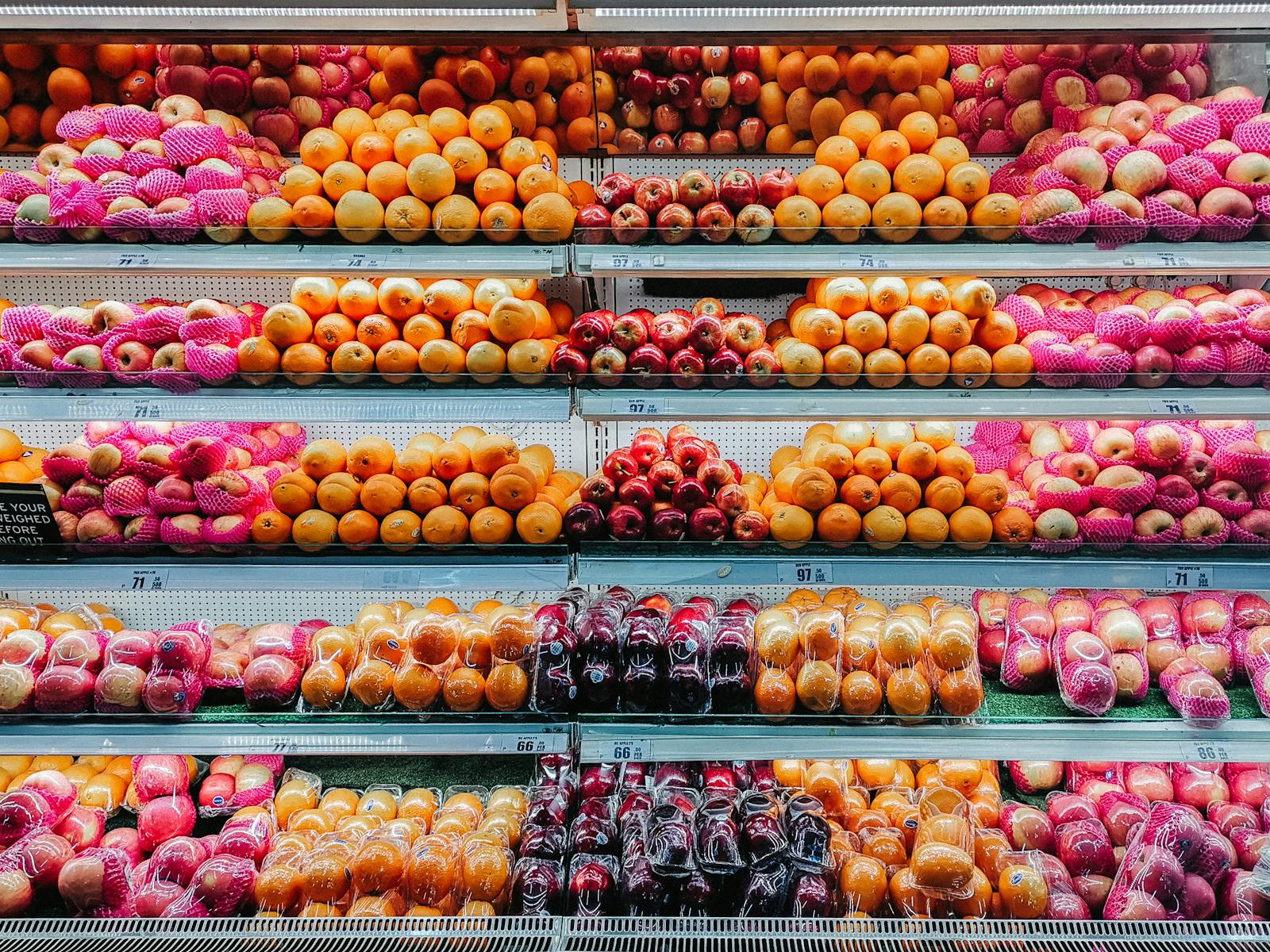
There’s no denying the convenience of pre-sliced produce, but you’re paying a hefty markup for a few minutes of saved time. Pre-cut fruits and veggies often cost two to three times more per pound than their whole counterparts.
Not only that, but they spoil faster and sometimes lose nutrients once they’re exposed to air. Buy whole fruits and vegetables instead — you’ll get fresher produce, more bang for your buck, and less plastic packaging in the trash.
2. Bottled Water
Unless you’re traveling or in an emergency, bottled water is one of the most unnecessary recurring expenses in most households. A case might not seem expensive, but it adds up quickly — especially when tap or filtered water costs just pennies.
Investing once in a good water filter or reusable bottle pays off almost immediately. You’ll save money, reduce plastic waste, and never have to haul heavy packs of water again.
3. Single-Serve Snacks
Tiny snack packs are marketed as portion-controlled and portable, but you’re essentially paying for excess packaging. Ounce for ounce, single-serve chips, crackers, and cookies often cost double or triple the price of buying the same snack in a larger bag.
If you like the convenience, buy in bulk and divide snacks into small reusable containers or baggies at home. It takes just a few minutes and cuts your cost dramatically.
4. Brand-Name Pantry Staples
From cereal to pasta sauce, big brand names charge extra for marketing — not quality. In blind taste tests, many store-brand products perform just as well (and sometimes better) than their more expensive counterparts.
Items like sugar, flour, canned vegetables, and spices are nearly identical regardless of label. Try switching to your grocery store’s private label — most shoppers save 20–30% per trip without sacrificing flavor or freshness.
5. Specialty Coffee Drinks
Those grab-and-go refrigerated lattes and cold brews can easily cost $3–$6 each — the same price as a café drink. But most are loaded with sugar and preservatives and rarely taste as fresh as the real thing.
Brewing your own coffee at home and investing in a flavored creamer or simple syrup will save you hundreds of dollars a year. You’ll also have more control over the sweetness, flavor, and quality of your cup.
6. Pre-Made Salads and Sandwiches
Supermarket deli cases are convenient when you’re starving, but those pre-made sandwiches and salads come with a serious markup. Many cost the same as a restaurant meal — and don’t always deliver on freshness.
With a little planning, you can prep similar lunches at home for a fraction of the cost. Buy the ingredients once, and you’ll have multiple meals instead of just one overpriced grab-and-go box.
The Takeaway
Saving money at the grocery store isn’t about cutting corners — it’s about cutting out the waste. By skipping overpriced convenience foods and brand premiums, you can trim your bill without giving up quality. Small swaps really do add up — and your wallet will thank you by the end of the month.