


Groceries today feel very different compared to the 1980s. Shopping trips were slower, more personal, and often filled with unique traditions that made each visit memorable. Many of these customs have quietly disappeared as technology and store design have changed.
We’re going to look back at six grocery traditions from the ’80s that don’t exist anymore, highlighting what made shopping back then so distinctive. These moments remind us of a time when grocery stores were more than just places to buy food—they were part of our everyday experience in a special way.
Saturday family grocery trips lasting hours
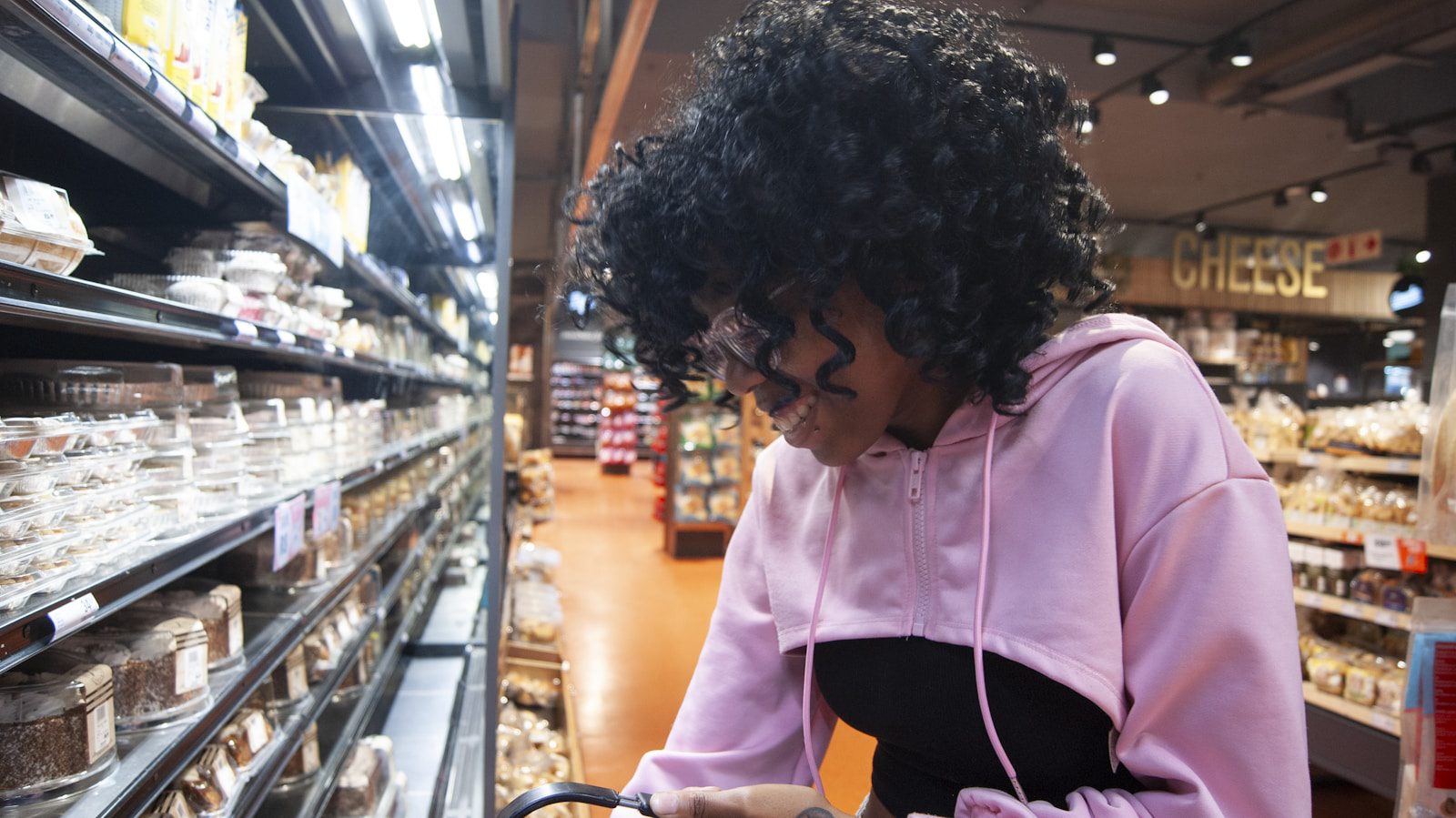
We used to spend entire Saturday afternoons at the grocery store as a family. It wasn’t just about buying food; it was a time to catch up and share stories while wandering the aisles.
These trips often stretched on for hours, blending shopping with moments of fun or even small debates over snacks.
Today, we’re more likely to grab what we need quickly or use structured methods like the 6-to-1 approach to save time. Long, leisurely Saturday trips just don’t fit our busy schedules anymore.
Cashier bagging your groceries
Back in the ’80s, it was common for cashiers to bag our groceries while scanning. This made the checkout process feel smoother and took a bit of the load off us.
Today, many stores expect us to bag our own items. Sometimes, this shift means the line moves slower when cashiers juggle both scanning and bagging.
We used to rely on cashier baggers to pack our groceries carefully, but now we’re more involved. It’s a different pace, and we all play a bigger role in getting our shopping done.
Collecting box tops for school
Remember when we used to clip box tops from cereal boxes and snacks? It was a simple way to help our schools earn money for supplies and activities. Kids took pride in filling up bags of those little labels to bring to class.
These days, the program has gone digital. Instead of physically cutting out box tops, we scan our receipts or link store accounts to an app. It’s easier, but somehow it feels less hands-on than before.
Even though the process has changed, the goal remains the same: supporting our schools through everyday grocery shopping. We still get to pitch in, just in a more modern way.
Store tastings and free samples
We used to look forward to wandering the grocery aisles and stopping by booths offering free samples. It was a fun way to try new products and discover hidden favorites without buying first.
These tastings made shopping feel more personal and interactive. Today, free samples are much rarer, mostly replaced by online promotions or special events.
We miss the simple joy of tasting something new right there in the store. It added a little surprise to our routine trips that is hard to find now.
Talking to the butcher or deli clerk
We used to chat with the butcher or deli clerk every time we visited the store. It wasn’t just about buying meat or cheese; it was a moment to ask questions and get recommendations.
They knew our preferences and often helped us pick the best cuts or slices. This simple conversation made grocery shopping feel more personal.
Now, with self-service and pre-packaged items, we miss those brief but friendly exchanges. Those moments created trust and sometimes even led to special tips or deals.
Buying Suddenly Salad side dishes
We remember the days when Suddenly Salad was a pantry staple. It first hit shelves in the 1960s and became a quick, easy side dish for busy families.
These boxed pasta salads came with a seasoning mix, making prep simple and fast. Today, they still appear in some grocery stores, though they aren’t as common as before.
Buying Suddenly Salad feels like a small trip back in time. It’s a reminder of convenient meals that brought some flavor without much fuss. We can still find various flavors, but they’re definitely less popular than in decades past.