


The 1980s brought bold and unique style choices to home décor that might leave you scratching your head today. While some trends captured the decade’s spirit, others feel outdated and just don’t fit with modern tastes.
If you’re wondering which ’80s design ideas haven’t aged well, this article breaks down six home décor trends from that era that make no sense in today’s homes. Understanding these can help you avoid decorating mistakes and keep your space feeling fresh.

All-neutral rooms that feel cold and boring
If your entire room is just one shade of white or beige, it might start to feel more like a waiting room than a cozy space.
Neutral tones are great, but without some warmth or texture, the room can feel flat and uninspired.
Adding in different materials or subtle pops of color helps break up the monotony and make the space more inviting.
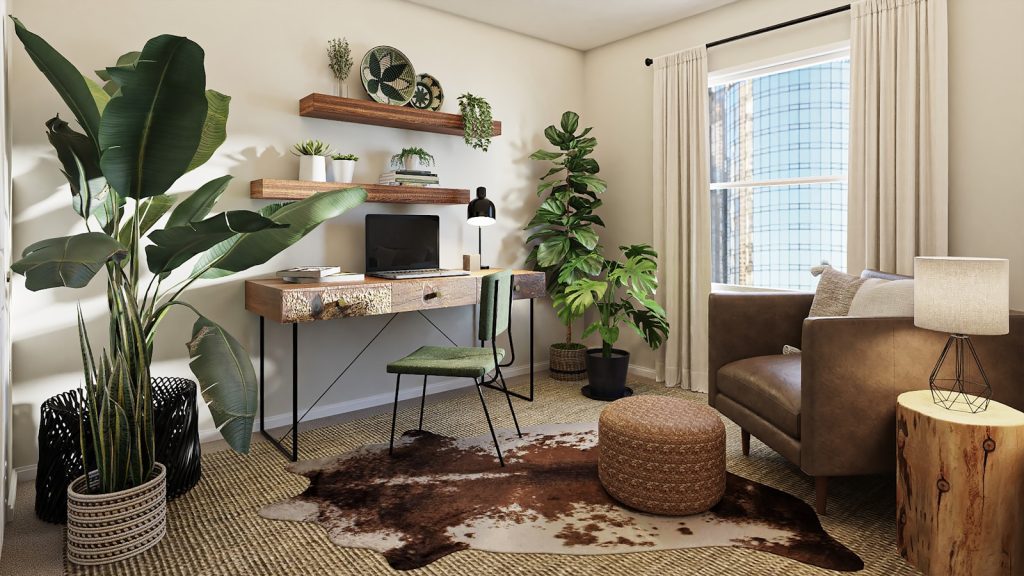
You want your space to feel calm, not sterile. Warm elements like wood, soft fabrics, or plants can make a big difference.
Overly styled coffee tables packed with clutter
You might remember the ’80s love for filling every surface to the brim—coffee tables included. Back then, it seemed like more was always better, with knick-knacks, candles, and stacks of books everywhere.
Today, that style feels chaotic and dated. Overloading your coffee table makes your living room look messy instead of cozy.
Keeping a balance is key. You want your table to feel inviting, not like a catch-all for every little thing you own. Less clutter helps create a cleaner, more modern vibe that actually works.
Cookie-cutter farmhouse accents everywhere
You’ve probably seen farmhouse accents all over the place—barn doors, faux exposed beams, and shiplap walls. What used to feel cozy now often looks like it was copied from the same mass-produced template.
The problem is that these elements lack personality since they became so predictable and overused. If your space feels more like a set than a home, it might be time to rethink those cookie-cutter touches.
Instead of sticking to worn-out farmhouse clichés, try mixing in unique pieces or fresher textures. That way, your home can still feel warm without following the same old script.
Matchy-matchy furniture sets that lack personality
If your furniture looks like it was all bought from the same showroom floor, it might be time to rethink your setup. Perfectly matching sets were all the rage in the ’80s, but today they often make a space feel flat and uninspired.
When everything matches too closely, the room can come off as predictable and even cold. Instead, mixing pieces with different styles and textures adds character and makes your space feel more personal.
You don’t have to toss everything out. Even swapping just one or two items for something unique can break up the uniform look and help your room tell your story.
Gray monotony dominating entire spaces
You might remember when entire rooms were decked out in gray—from walls to furniture, everything matched. Back then, it was trendy to keep things neutral and monochromatic, but today, that all-gray look can feel a bit dull.
Gray still has its place, but using it everywhere can make your space feel flat and uninspired. People now prefer warmer tones or pops of color to add personality and life to their homes.
If you love gray, try mixing it with textures and different shades, or balance it with brighter accents. That way, you keep sophistication without losing warmth or character.
Fake plants that look obviously fake
Back in the ’80s, fake plants were everywhere, but they were pretty easy to spot. You probably remember those plastic ficus trees and stiff silk ferns that never quite looked natural.
The colors were often too bright or faded, and the materials felt cheap. If you had one, you probably knew it wasn’t real the moment you saw it.
Today, those old fake plants just don’t fly because they stick out like a sore thumb. They lack the subtle details and texture that real plants have, making them impossible to pass off as natural.