Storing everyday items might seem simple, but many people keep things in places that make them harder to find or could even shorten their lifespan. When you know the right spots for your belongings, you save time and reduce clutter around your home.
Knowing where to store just a few common items differently can improve your space and make your daily routines easier. This article will help you rethink your storage habits so you get the most out of your home’s available space.
Old textbooks and manuals
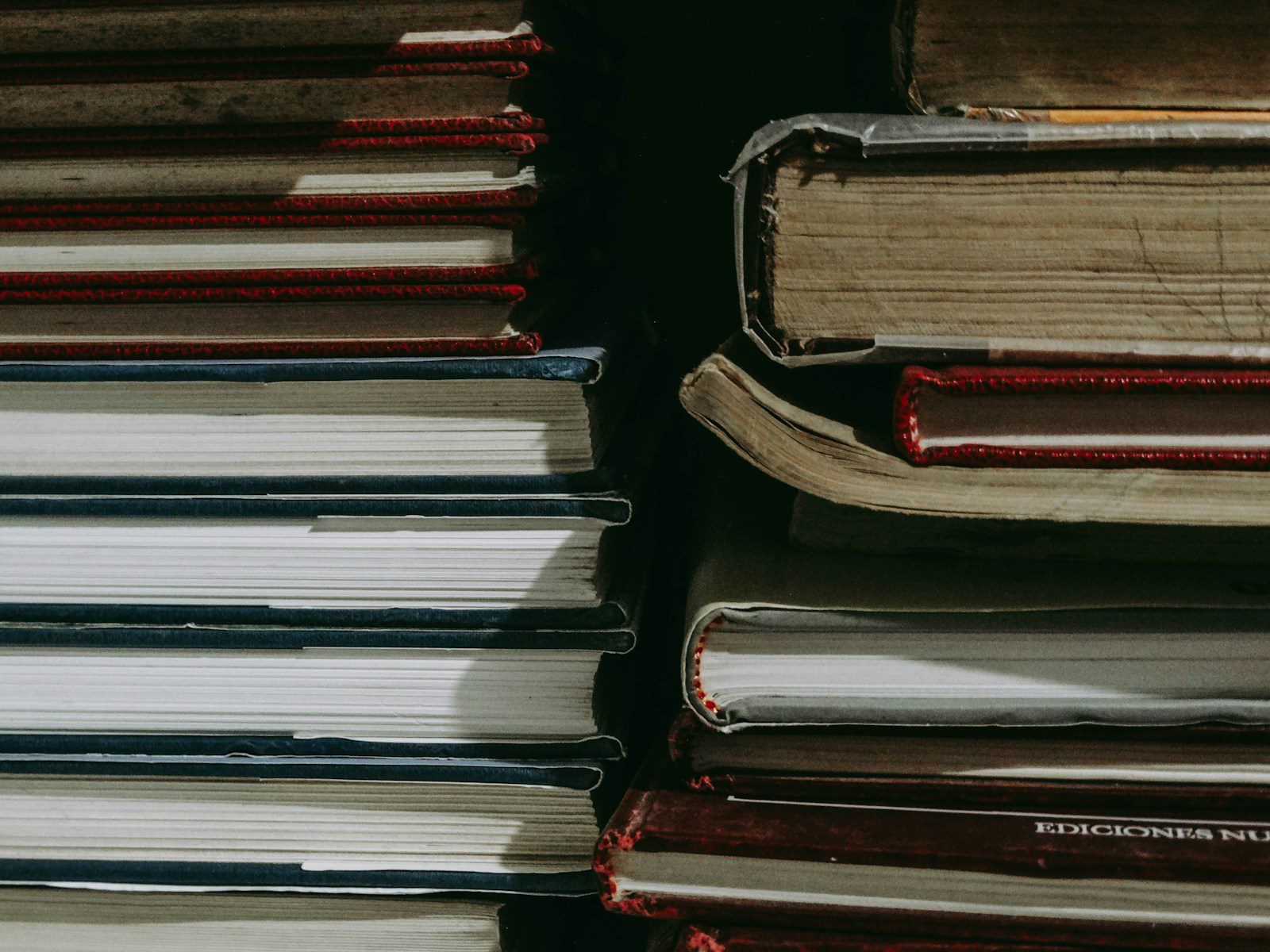
You don’t need to keep every old textbook or manual in your living space. These items often take up valuable room and end up collecting dust.
Instead, consider storing manuals and textbooks in a dedicated spot like a home office or storage box. This keeps them accessible but out of your daily clutter.
If you no longer need certain manuals or textbooks, think about donating, recycling, or selling them. This frees up space and gives these items a new purpose.
Holiday decorations
You probably only use holiday decorations a few weeks each year, so storing them in your everyday space can cause clutter. Instead, keep them in designated storage containers to protect them from damage and dust.
Consider using sturdy boxes, clear bins, or storage carts with wheels for easy access and transport. Labeling each container helps when you unpack next season.
Avoid storing decorations in humid or damp areas, as this can damage ornaments and lights. Find a cool, dry spot away from direct sunlight to keep your holiday items safe and ready for next year.
Seasonal clothing
You probably have clothes you only wear part of the year, like heavy coats or summer dresses. Storing these separately helps free up space in your everyday wardrobe.
Use breathable containers or garment bags to keep clothes safe from dust, moths, and moisture. Avoid plastic bags, which can trap humidity and damage fabrics over time.
Label your storage clearly so you can find what you need without digging. Keep seasonal clothes in a closet, under the bed, or in dedicated bins for easy access when the weather changes.
Expired spices and pantry items
You might not realize it, but spices and pantry staples do expire. Over time, they lose flavor and potency, which can affect how your meals taste.
Expired canned goods and baking ingredients can also lose texture and quality. It’s a good idea to check dates and toss anything past its prime.
Keeping these items stored properly, like in a cool, dry place, helps extend their freshness. Storing them somewhere else, away from heat or humidity, can make a big difference.
Unused sports equipment
You probably have sports gear tucked away that hasn’t seen the light of day for months or even years. Keeping old equipment can take up valuable space and add clutter to your home.
Consider sorting your gear by what you use regularly and what you don’t. Items you no longer need can be donated, sold, or even repurposed creatively around your home.
If you want to keep some gear, try storing it in less-used spaces like ceiling racks or higher shelves. This frees up everyday areas while keeping your equipment accessible when you want it.
Outdated electronics
You probably have old phones, tablets, or bulky TVs taking up space at home. These items can clutter your living areas and make it harder to find the stuff you actually use.
Storing outdated electronics somewhere else, like a dedicated box or closet, keeps your space cleaner. Plus, it helps you decide later if you want to repurpose, recycle, or safely dispose of them.
Remember, tossing electronics in the trash can harm the environment. Finding a better storage spot means you’re one step closer to handling them responsibly.