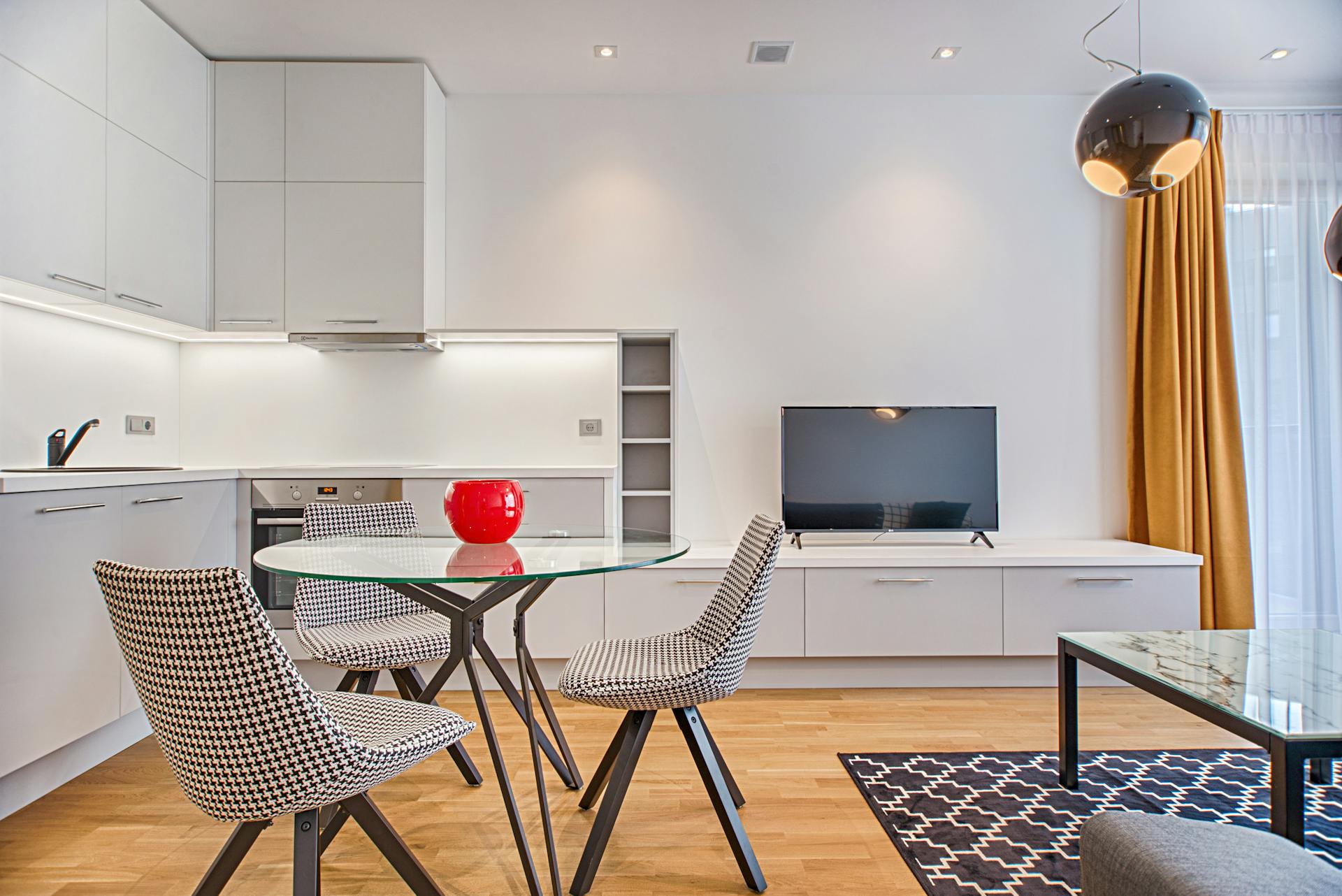
Small spaces come with unique challenges when it comes to decorating. You want your home to feel welcoming and stylish without overcrowding or making the area feel even smaller.
Knowing which home style trends don’t work well in small spaces can save you time, money, and frustration when decorating your home. Avoiding these trends helps you create a more functional and comfortable environment that suits your space perfectly.
Maximalist decor with heavy patterns
If you love bold colors and lots of patterns, maximalist decor might catch your eye. But in small spaces, heavy patterns can quickly overwhelm the room and make it feel cramped.
You want your space to feel lively, not crowded, so using large, busy prints can create visual clutter. Instead, consider lighter patterns or fewer bold elements to keep things balanced.
Maximalism thrives on layering textures and personal touches, but in small rooms, too much can reduce the feeling of openness. Choose carefully to avoid overpowering your space while still expressing your style.
Oversized furniture that overwhelms the room
When you bring oversized furniture into a small space, it can quickly overpower the room. Large sofas or bulky chairs leave little room to move and can make the area feel cramped.
You want your furniture to fit the space, not dominate it. Choosing pieces scaled to your room’s size helps keep things comfortable and balanced.
If you love the look of big, plush furniture, look for modular or multi-functional options. These allow you to enjoy comfort without sacrificing flow or openness.
Dark, heavy drapery blocking natural light
If you use dark, heavy drapes in a small space, you risk making the room feel cramped and gloomy. These curtains often block natural light, which is essential for making a small room appear larger and more open.
Choosing thick fabrics like velvet or brocade might add a luxurious touch, but they can dominate your space and reduce brightness. Instead, opting for lighter, sheer curtains can help brighten your room while still offering privacy.
Letting more sunlight in can instantly refresh your space. It also highlights your room’s features, helping to create a more inviting and airy atmosphere.
Too many decorative accessories crowding surfaces
When you fill every surface with decorative items, your small space can quickly feel cluttered. It’s easy to think more is better, but too many accessories make rooms look messy and cramped.
Try leaving open space on tables or shelves. This not only highlights your favorite pieces but also helps the room feel more open and inviting.
Focus on a few meaningful items instead of covering every inch. You’ll create a cleaner, simpler look that works much better in small spaces.
Large area rugs that shrink visual space
Using a large area rug that nearly covers the entire floor can sometimes make a small room feel cramped. When the rug meets the walls closely, it can break up the space visually, which may reduce the feeling of openness.
If you want your space to feel bigger, avoid rugs that are too big and dominate the room. Instead, choose a rug that leaves some floor visible around the edges to create a sense of balance and airiness.
Keep in mind that the pattern and color also affect how the rug interacts with your space. Bold patterns or dark colors on a large rug can close in a small room instead of expanding it.
Wall-to-wall shelving creating cluttered feel
While wall-to-wall shelving might seem like a great way to maximize space, it can quickly make your small room feel overcrowded. Too many items on continuous shelves often create visual clutter instead of order.
When everything is on display, your eyes have nowhere to rest. This can make the space feel chaotic rather than organized.
It’s better to choose a few key shelves or modular units that give you room to style and breathe. This approach keeps your small space looking neat and welcoming without overwhelming it.