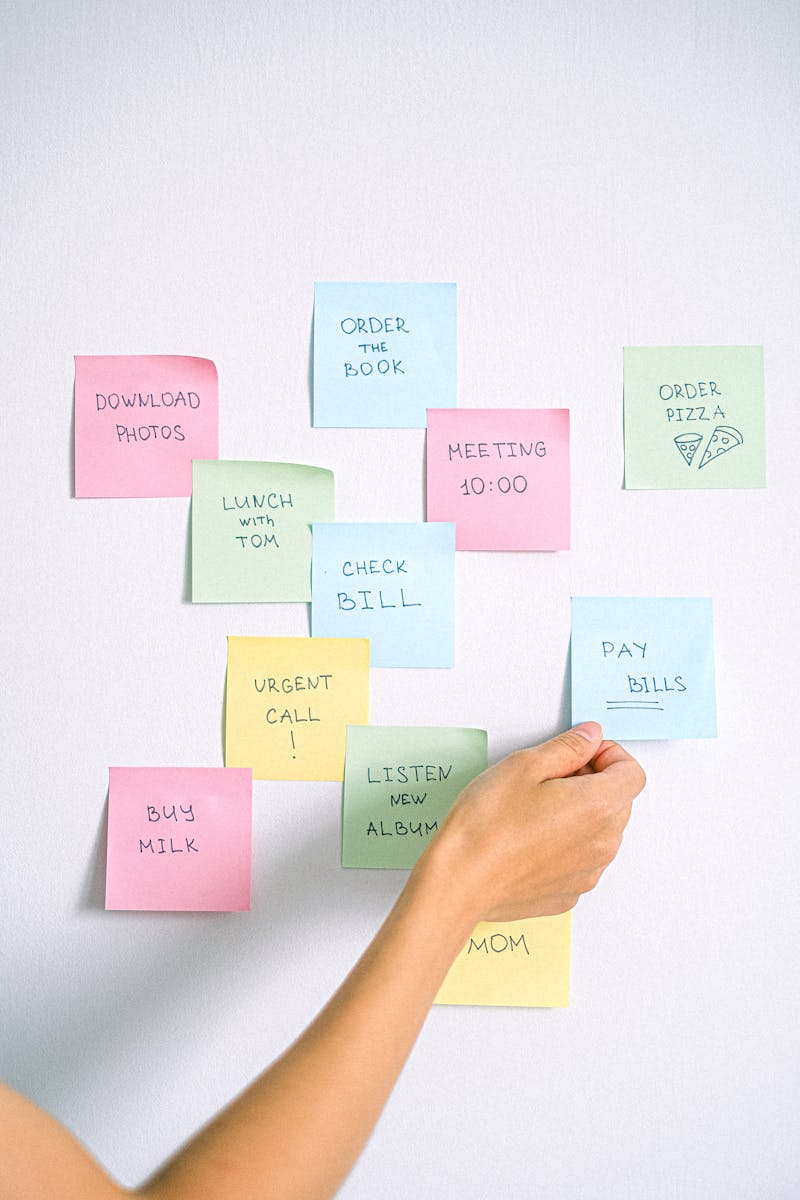
Everyone has everyday tasks at home that seem straightforward but can actually take more time and effort than necessary. Sometimes, small changes in how you approach these chores can make a big difference in saving time and reducing stress.
By identifying just a few common tasks you might be doing inefficiently, you can simplify your routine and create more space for things you enjoy. This article will help you spot those tasks and offer ways to handle them smarter, not harder.
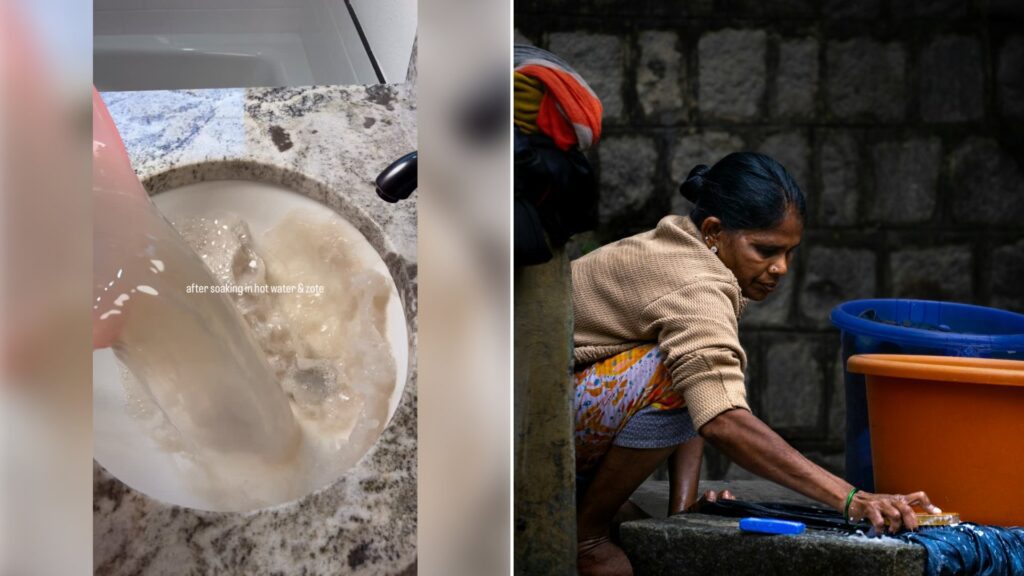
Leaving dishes to soak overnight instead of washing immediately
You might think soaking dishes overnight saves time, but it often leads to more work in the morning. Food particles trapped in the water become a breeding ground for bacteria like E. coli and Salmonella.
Leaving dishes to soak for hours can make your kitchen sink one of the germiest spots in your home. Instead, try washing dishes soon after use or at least rinse them well before soaking.
If you do soak, use a clean dishpan and fresh soapy water to reduce germs. This helps keep your kitchen healthier and cuts down on bacteria growth.
Ignoring the 60-second rule for quick tasks
You might be overlooking simple tasks that take less than a minute to complete. Ignoring these small actions can lead to clutter and mental clutter building up over time.
By handling quick tasks immediately, like putting away a dish or replying to a short message, you prevent small chores from piling up. This habit creates a tidier and more organized space with less effort.
Applying the 60-second rule can help you feel less overwhelmed. It’s a simple way to keep your home routine smooth and manageable every day.
Switching tasks too frequently without focus
When you jump from one home task to another too quickly, your brain needs time to readjust. This constant switching can drain your energy and make you less productive.
You might feel busy, but each task switch breaks your concentration and slows you down. It can take about 20 minutes to regain focus after an interruption.
Try grouping similar chores together to keep your attention steady. This way, you finish tasks faster and feel less overwhelmed by your to-do list.
Organizing items you rarely use instead of decluttering
You might think organizing all your stuff means keeping everything neatly stored. But sometimes, holding on to things you rarely use just creates more clutter.
Instead of spending time finding homes for these items, consider whether you really need them. Letting go can simplify your space and save you effort later.
If you’re unsure, try setting aside items and revisit them after a few weeks. Often, you’ll realize you didn’t miss them at all. This approach is kinder to your space and your mind than endless organizing.
Peeling hard-boiled eggs with a spoon instead of the shake method
If you usually shake your eggs to peel them, you might find it messy and uneven. Using a spoon is a gentler way to remove the shell without breaking the egg.
After cracking the shell lightly, slide a spoon under the shell and around the egg. This helps separate the shell smoothly from the white.
This method reduces the chance of egg pieces sticking to your fingers or breaking the egg itself. It’s easy and works well, especially with fresh eggs that can be harder to peel.
Avoiding small chores that build up over time
You might think skipping small chores saves time, but they often pile up and cause bigger headaches later. Taking care of quick tasks right away helps keep your home tidy without much effort.
Try the two-minute rule: if a chore takes less than two minutes, do it immediately. This stops tiny jobs from turning into overwhelming messes.
Spending just a few minutes daily on simple tidying prevents clutter buildup. Over time, this habit can make your cleaning routine more manageable and less stressful.