You might think your backyard is the perfect spot to get rid of old stuff, but not everything can be buried safely or legally. Many common household items contain hazardous materials that can harm the environment or even break the law if buried in your yard.
Knowing which household items you’re not allowed to bury helps you avoid fines and protects your family’s health and the environment. It’s important to be aware of local regulations and proper disposal methods to keep your home and neighborhood safe.
Appliances with refrigerants
If you have old appliances like refrigerators, freezers, or air conditioners, you might be tempted to just bury them in your yard. But these appliances contain refrigerants like Freon, which can harm the environment.
These gases are known to damage the ozone layer, so dumping them is illegal in most states.
Plus, older models often have other harmful parts like mercury switches or PCBs. You need to have these appliances professionally handled to safely remove these substances before disposal or recycling.
Simply burying them could lead to fines and environmental damage, so it’s best to contact local disposal or recycling programs.
Mercury-containing switches
You might not realize it, but some older switches in your home or car could contain mercury. These switches use mercury because it conducts electricity well, but the metal is toxic and can harm the environment if not handled properly.
Because of this, most states have made it illegal to bury mercury-containing switches. If you need to dispose of them, it’s best to take them to a hazardous waste collection site.
Don’t just toss these switches in the trash or landfill. Proper disposal helps keep mercury out of the soil and water where it can cause long-term damage.
Circuit boards with toxic metals
You might not realize it, but circuit boards in electronics contain metals like lead, mercury, and cadmium. These metals are toxic and can contaminate soil and groundwater if buried.
When you toss old electronics in your yard, these metals can slowly leak out. That’s why most states make it illegal to bury circuit boards.
Recycling or properly disposing of electronics keeps these harmful substances from ending up where they don’t belong. It’s better for the environment and safer for you.
Used motor oil
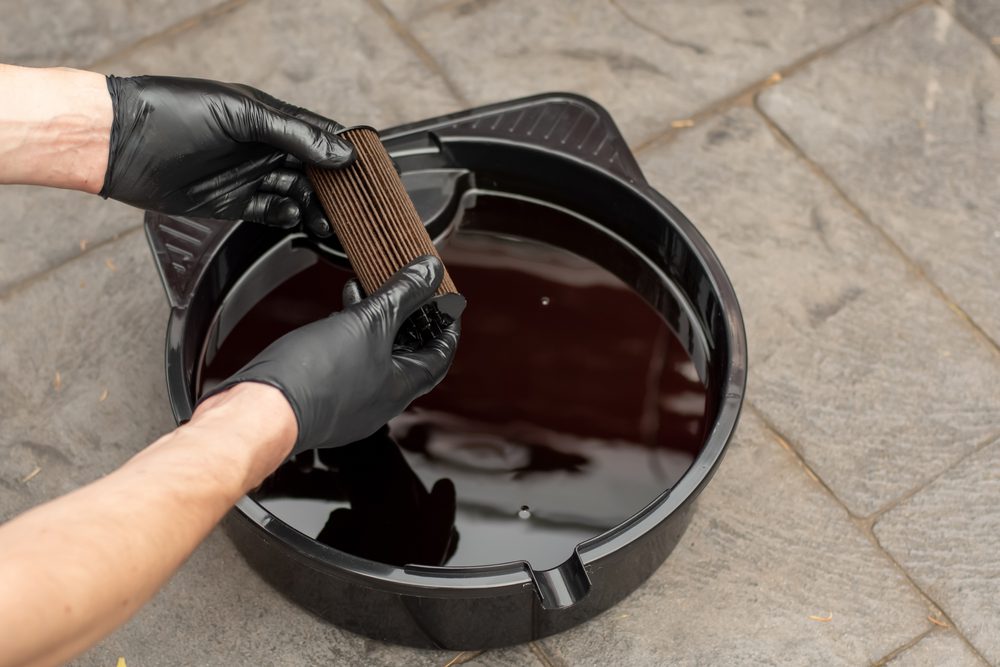
You might think tossing used motor oil in your yard is no big deal, but it’s actually illegal in most states. That oil contains toxins that can seep into the soil and contaminate groundwater, posing risks to plants, animals, and even your drinking water.
Just one gallon of used motor oil can pollute a million gallons of fresh water. It creates a film on water surfaces that blocks oxygen and sunlight, which harms ecosystems.
Instead of burying it, take your used motor oil to a recycling center or an auto parts store. They’ll make sure it’s handled safely and reused properly.
Paint thinners and solvents
You shouldn’t bury paint thinners or solvents in your yard. These chemicals can seep into the soil and groundwater, which is harmful to the environment and illegal in most places.
Disposing of them in regular trash or down drains is also a no-go. Instead, look for local hazardous waste collection sites where you can safely drop them off.
Handling these materials carefully keeps your home and neighborhood safer from contamination and fire risks. Always check your local rules before getting rid of solvents or paint thinners.
Pesticides and herbicides
You might not realize it, but burying pesticides or herbicides in your yard is illegal in most states. These chemicals can contain toxic ingredients that harm the environment, including soil and groundwater.
Even if a product looks harmless, it could still pose risks to your family, pets, and nearby wildlife. Instead of burying them, look for proper disposal programs or hazardous waste collection events in your area.
Using these chemicals safely and according to local laws helps protect your home and the environment. Don’t take a chance by getting rid of them the wrong way.