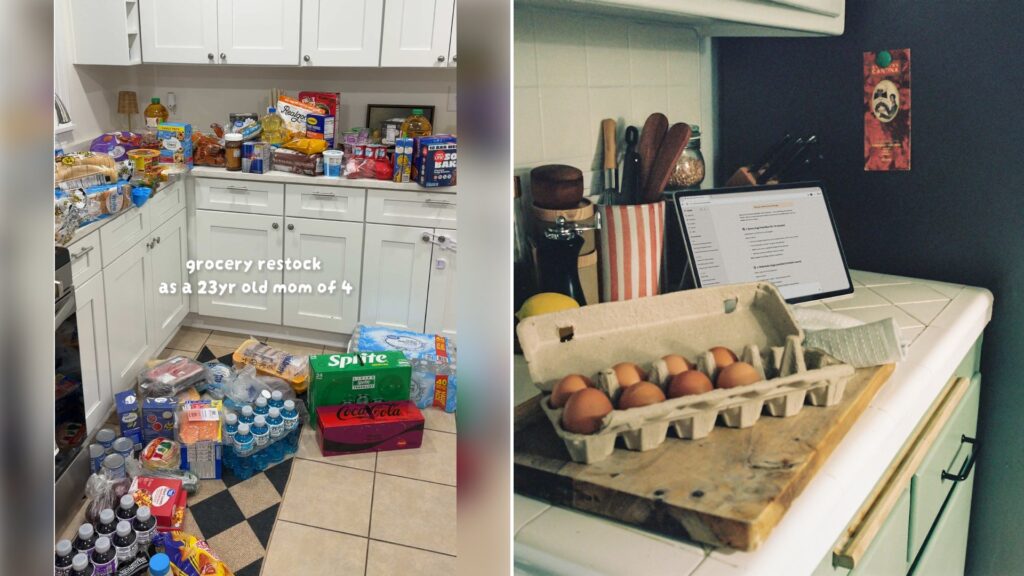
There are certain items in every home that seem to reproduce when nobody’s looking. You buy one, and within a year you own eleven. You didn’t order eleven. You have no memory of acquiring the other ten. And yet there they are, spilling out of a cabinet like they’ve been quietly multiplying in the dark while you slept.
These aren’t sentimental items you’re attached to, they’re just… accumulation with no off switch. The good news is that once you notice the pattern, it’s fairly easy to interrupt, mostly by getting ruthless about culling the herd on a regular schedule instead of letting it grow indefinitely. Here are the six worst offenders in most households.

Tupperware and Plastic Containers
No one buys a plastic container collection on purpose. It arrives one leftover at a time: a friend sends home soup in a container you never return, a grocery store rotisserie chicken comes with its own tub, a gift gets packed in a reusable box. Within a few years, a single cabinet is bursting with containers of every size, half of which have no matching lid. The fix is a hard cap: pick a shelf or bin size that fits your actual leftover habits, and every time a new container joins the collection, an old or lid-less one has to leave.
Reusable Grocery Bags
Reusable bags multiply because they’re handed out constantly, at every store checkout, conference, and event, and because throwing one away feels wasteful even when you already own twenty. The result is a canvas and nylon avalanche stuffed into a closet, car trunk, or kitchen drawer, most of which never gets used because there are simply too many to grab the right one quickly. Keep a small, functional set, ideally ones that fold compactly, and donate the overflow to a food pantry or thrift store where they’ll actually get used.
Wire and Plastic Hangers
Hangers breed in closets in a way that defies explanation. Every dry cleaning trip, every new clothing purchase, and every hand-me-down bag seems to bring a few more wire hangers into the house, and they rarely leave on their own. Meanwhile, they tangle together, bend clothes out of shape, and take up more space than a matched set of sturdier hangers would. Return wire hangers to the dry cleaner when possible, and standardize on one hanger style throughout your closet to stop the slow creep of mismatched inventory.
Phone Chargers and Cables
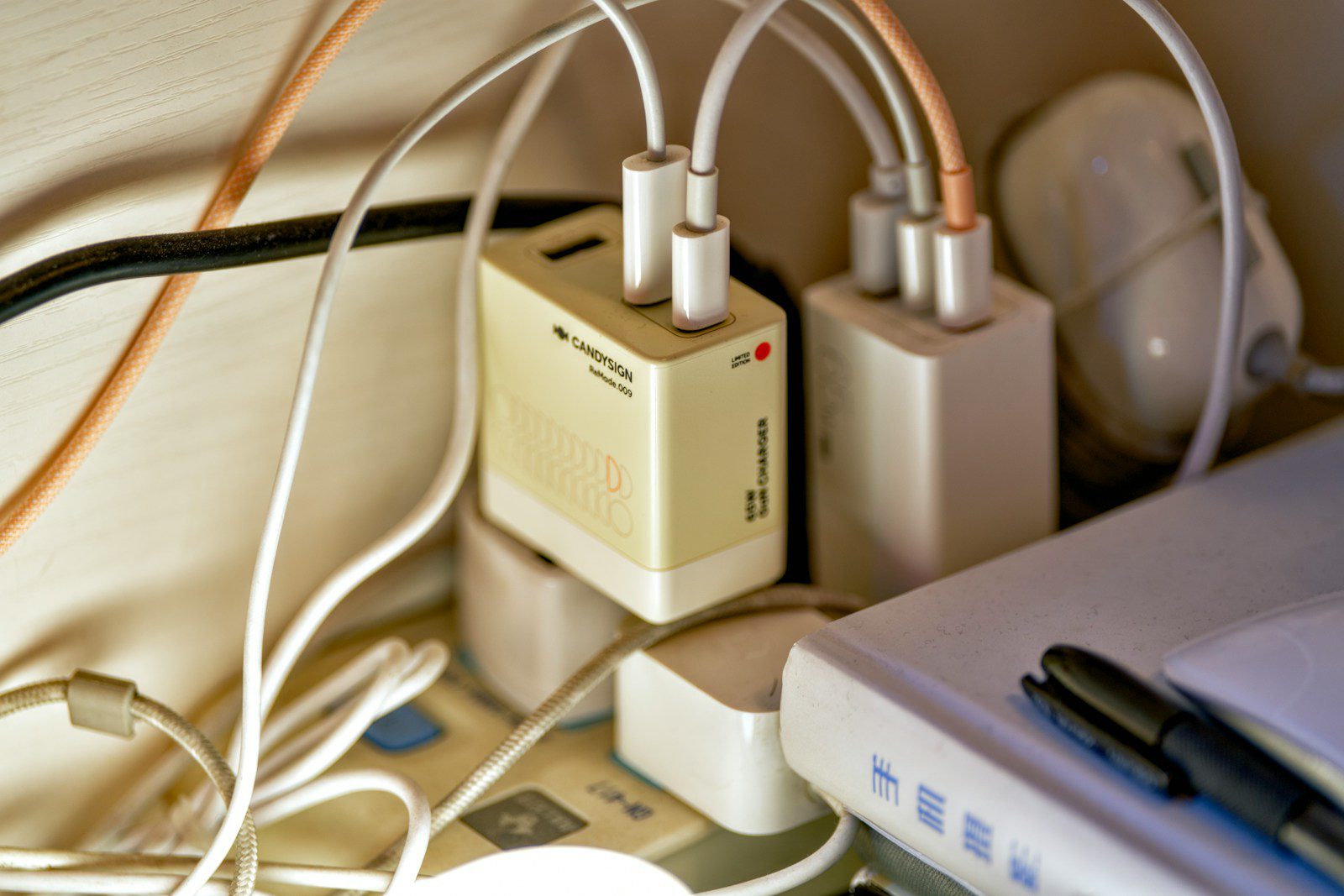
Every new device seems to arrive with its own cable, and somehow none of the old ones ever get thrown away, even after the device they matched is long gone. A junk drawer or basket can end up holding a dozen cables, most of which are outdated, frayed, or simply duplicates of ones already in daily use elsewhere in the house. Do a periodic sweep, test what’s left, keep a few labeled backups, and recycle the rest through an electronics recycling program rather than letting the tangle keep growing.
Coffee Mugs
Mugs seem to arrive from every direction: gifts, work swag, souvenir trips, and impulse buys at gift shops. Most households end up with far more mugs than people who drink coffee, and yet the same three favorites get used on rotation while the rest sit stacked in a cabinet doing nothing. A reasonable cap, something like two mugs per household member plus a few for guests, keeps the cabinet functional instead of overflowing. Donate the rest to a thrift store rather than storing an entire museum of novelty mugs.
Reusable Water Bottles
Every new gym membership, race, or work event seems to come with a free water bottle, and somehow none of the old ones get retired even after their lid stops sealing properly. A drawer or shelf full of a dozen water bottles is a common sight in most kitchens, even though a household typically only needs one or two per person for actual daily use. Test the seals, keep the bottles that still work well, and recycle or donate the rest before the collection keeps expanding on its own.