Decluttering feels great until I realize I’ve given away something I wish I had kept. There are certain items that, once donated, can leave you wishing you’d held on to them a bit longer.
Knowing which items to avoid donating can save you both time and regret. This article will help you spot those memorable things that are easier to keep than part with.
Comforters with rips or stains
I’ve learned that donating comforters with rips or stains isn’t the best idea. These items can’t always be reused or given away easily. I found out many charities require bedding to be in good condition for hygiene reasons.
Instead of donating them, I try to repurpose these comforters. I cut them into cleaning rags or use the filling for pet beds. It’s a small way to avoid waste while still making use of something worn out.
Worn-out sheets
I used to think worn-out sheets were useless until I realized they have many second lives. Instead of donating them, I turn them into cleaning rags or garden cloths. They’re perfect for wiping up spills or protecting plants from frost.
Sometimes, I cut them into smaller pieces for craft projects or pet bedding. Donating old sheets can be tricky since many places only accept those in good condition. Repurposing them at home feels better and stops waste.
Broken furniture
I used to think donating broken furniture was a good idea, but I quickly realized most places won’t accept it. Pieces with broken legs, deep scratches, or stains often get rejected because they need too much repair.
If your furniture is damaged, donating might not be the best option. Instead, consider recycling, upcycling, or contacting local waste services for proper disposal. Sometimes, fixing small issues can make a big difference before you donate.
Stained clothing
I’ve learned that donating stained clothing isn’t as helpful as it seems. Most charities won’t accept clothes with heavy stains because they can’t be reused or sold. It’s frustrating to think these items might just end up in the trash.
Light stains might be okay in some places, but anything more serious usually gets tossed. That’s why I always check my clothes carefully before donating. It saves time and ensures my donation actually helps someone.
Damaged electronics
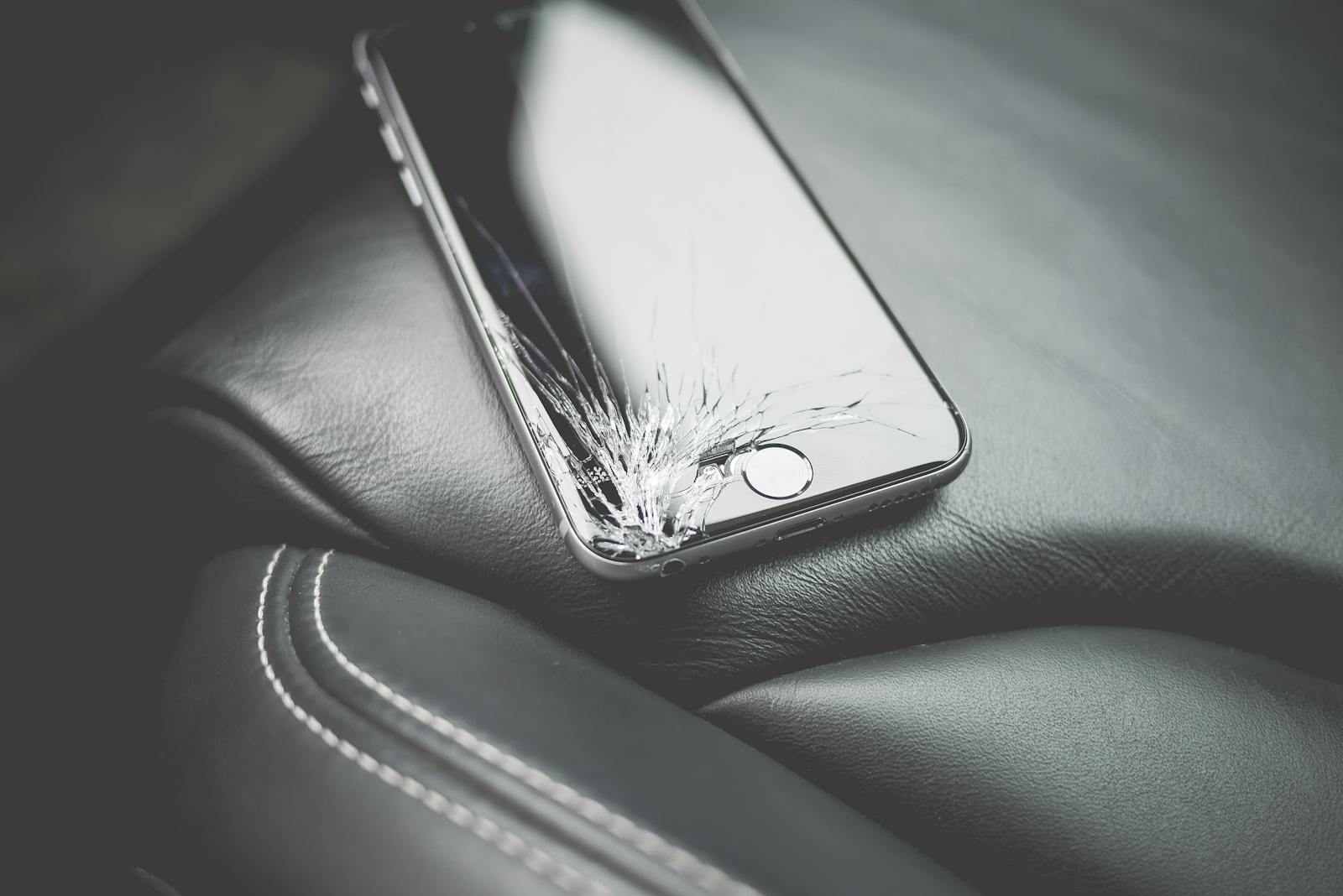
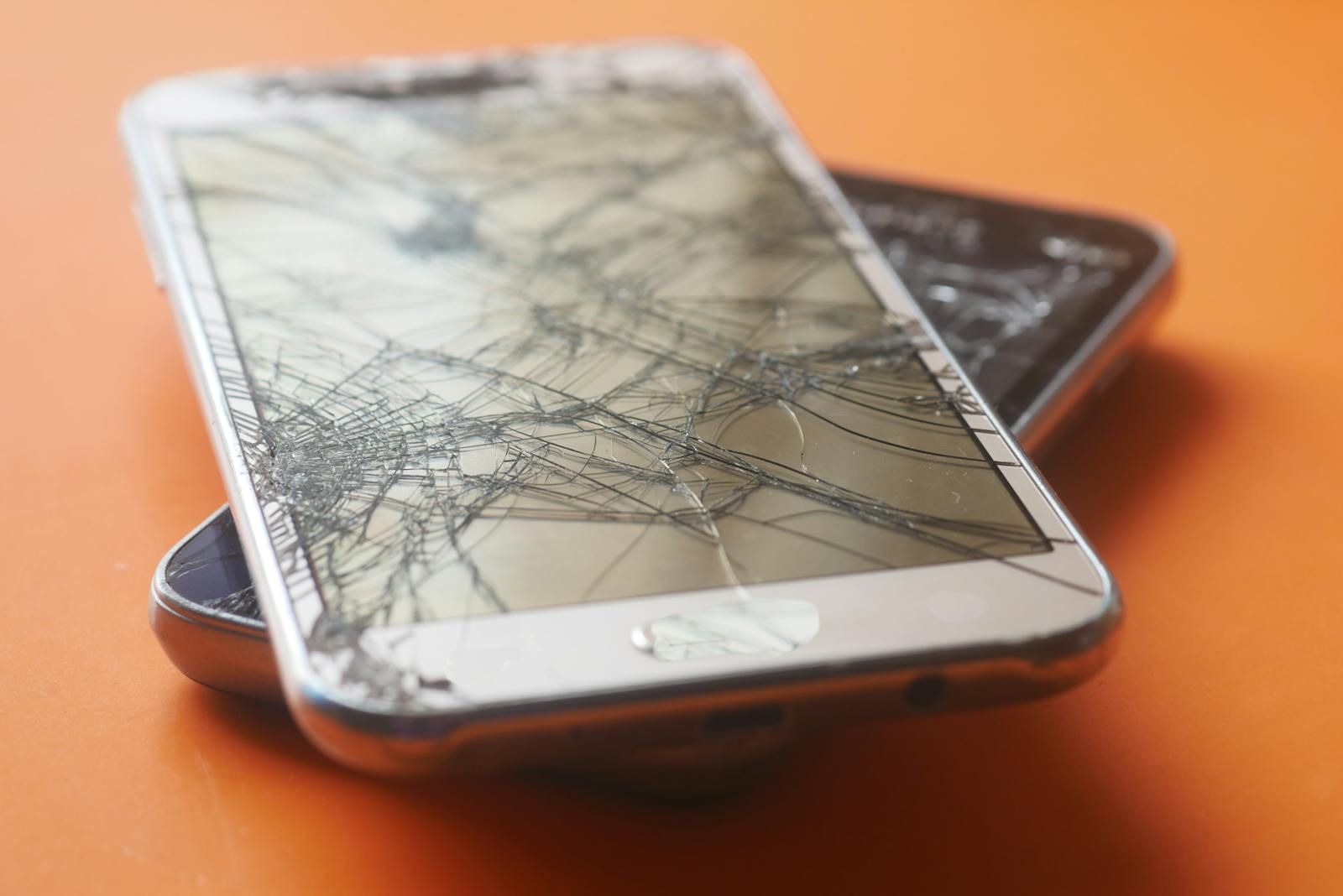
I’ve learned that donating damaged electronics isn’t as simple as it seems. Broken screens, missing parts, or devices that won’t turn on often can’t be reused or fixed easily.
Sometimes, these items end up costing organizations more to repair or recycle safely. It’s better to check if your device works properly before deciding to donate.
If electronics are seriously damaged, recycling them is usually a smarter choice. That way, harmful materials don’t end up in landfills, and valuable resources can be recovered.
Old pillows
I once donated old pillows thinking they’d just be waste, but I ended up missing them. Pillows can be useful around the house long after they’re no longer great for sleeping.
You can repurpose them as pet beds or use the stuffing for craft projects. Some animal shelters even welcome pillow donations for bedding, which feels like a good way to give them new life.
Before donating, I recommend checking if the pillow is still in good condition or if a local recycling center can process it. That way, you know it won’t just end up in the trash.