When planning your landscaping, it’s easy to get excited and rush into decisions. However, not every choice will bring the results you expect, and some can even create problems down the road. Paying attention to certain details before you start can save you time, money, and frustration.
You’ll want to double-check specific landscaping choices to ensure they fit your space and lifestyle while adding value to your home. Taking a moment to evaluate these options carefully helps you build a yard that looks good and works well for years to come.
Choosing high-maintenance plants without considering climate
When picking plants, ignoring your local climate can lead to extra work and frustration. Some plants need specific temperature ranges or humidity levels to thrive. Choosing high-maintenance varieties without checking your zone can mean constant watering, pruning, or pest control.
You might be tempted by a plant’s looks, but if it isn’t suited to your region, it may struggle or even die. Make sure your plants match the hardiness zone and typical weather patterns where you live. This saves you time and helps your garden stay healthy with less effort.
Over-investing in costly water features with little return
Adding a water feature can make your yard feel peaceful and inviting. But expensive installations like large fountains or elaborate ponds often don’t add much value when you sell your home.
These features usually require ongoing maintenance, which can get costly and time-consuming.
Before you spend a lot, consider if you really want the upkeep and if it fits your lifestyle. There are simpler, less expensive water elements that offer a similar relaxing effect without breaking the bank.
Ignoring soil quality before planting
Before you start planting, take a moment to check your soil quality. Soil with too much clay, sand, or rock can make it hard for plants to grow well.
You can improve your soil by loosening it and mixing in organic matter like compost. This helps plants get the nutrients and water they need.
Testing your soil helps you understand its needs. If you don’t prepare your soil first, your plants may struggle or even fail to thrive.
Installing large patios without proper drainage
When you install a large patio, drainage is something you can’t skip. Water can pool on your patio’s surface, making it slippery and damaging the materials.
If your land slopes, water may rush toward your patio and cause erosion or flooding. You need to plan how water will flow away safely.
Simple solutions like adding drainage channels, French drains, or using permeable pavers can prevent water buildup. Proper drainage protects your patio’s foundation and keeps your outdoor space enjoyable.
Selecting non-native plants that require extra care
When choosing non-native plants, be aware that many need more water, fertilizer, or pest control than native ones. This means you might spend more time and effort maintaining them.
Some non-native plants can struggle to adapt to your local soil and weather. This can lead to slower growth or less vibrant blooms.
If you decide to include non-native plants, pick ones that are known to be manageable and won’t require constant attention. This will help keep your garden healthy without overwhelming you.
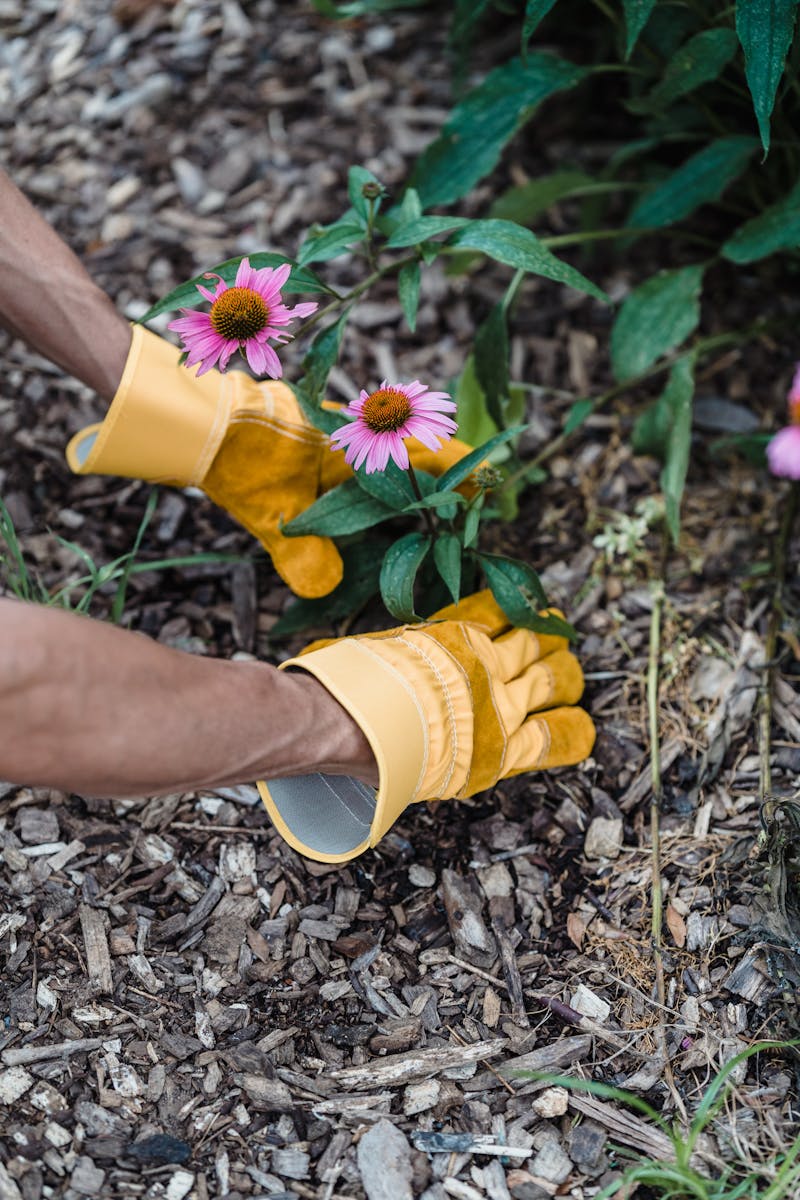
Skimping on mulch leading to weed problems
When you don’t apply enough mulch, weeds find an easy path to grow. A thin layer won’t block sunlight well, so weed seeds can sprout and spread quickly.
To really keep weeds at bay, aim for about three inches of mulch. This thickness helps retain moisture and stops weeds from getting the light they need.
Cutting corners on mulch might save time or money now, but you’ll spend more effort pulling weeds later. Putting a little extra mulch down saves work in the long run and keeps your garden looking neat.