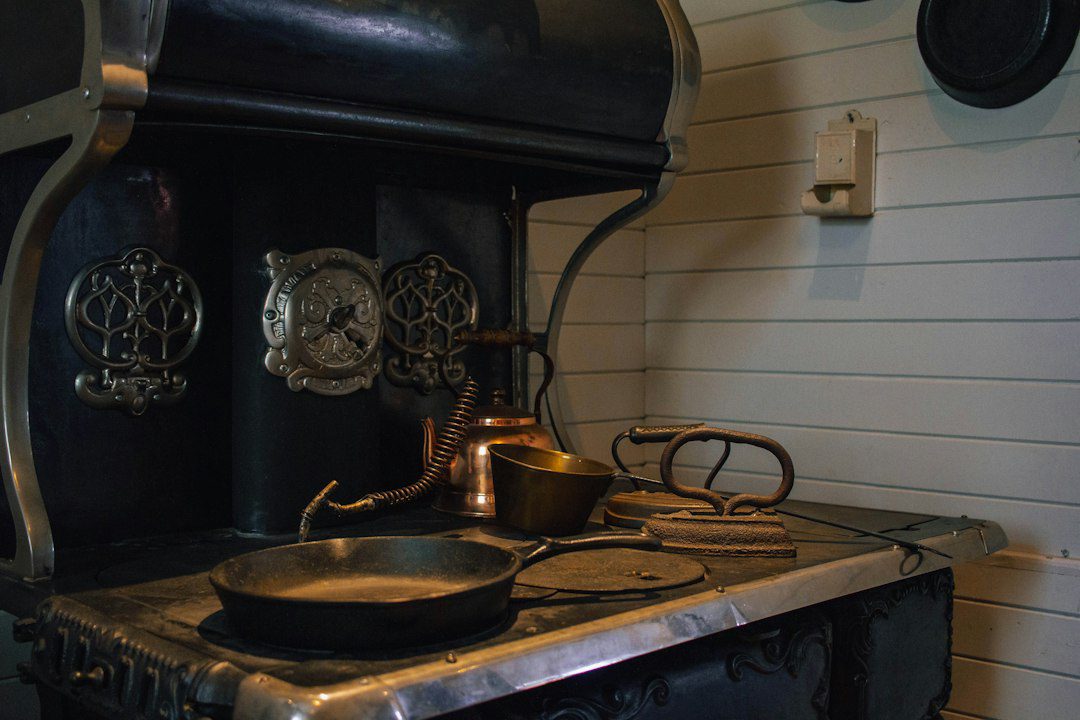
Cookware takes a beating over the years, which is exactly why so much of it ends up looking like scrap metal headed for the trash. Dented, discolored, or coated in decades of baked-on seasoning, old pots and pans rarely look like anything worth keeping.
But in cookware, the maker’s mark tells a completely different story than the surface appearance does. Before any old pot or pan leaves the house, check these six categories for the stamps that separate junk from genuine collector finds.
Griswold Cast Iron
Griswold is the name serious cast iron collectors look for first, and the company’s cookware was produced from the late 1800s through the 1950s under several distinct logo designs. The specific logo style, along with a size number cast into the pan’s bottom, allows collectors to date a piece within a fairly narrow window, and certain early logo variations command noticeably higher prices than later ones, according to detailed Griswold identification resources. Rust and heavy seasoning buildup don’t erase these marks, so a pan doesn’t need to look clean to be identifiable. Skillets, waffle irons, and griddles all carry the same style of markings, so check every piece of cast iron in the kitchen rather than assuming only skillets matter.
Wagner Ware Cast Iron
Wagner was Griswold’s biggest competitor and made cast iron of comparable quality, though pieces are often slightly less valuable to collectors on average than a comparable Griswold. The “Wagner Ware” script logo, along with an earlier line marked simply “Wagner” in block letters, helps narrow down the era of production. Wagner also produced a well-regarded line under the “Sidney” name for a period, which specialists specifically watch for. As with Griswold pieces, surface rust and dark seasoning don’t diminish the readability of the cast lettering. A heavy Dutch oven or skillet with either mark is worth cleaning up and researching rather than scrapping, since restoration is usually straightforward with steel wool and a fresh seasoning coat.
Le Creuset Enameled Cast Iron
Chipped, faded enamel cookware often gets treated as damaged goods, but French-made Le Creuset pieces, particularly vintage Dutch ovens and cocottes in discontinued colors, retain strong resale value even with cosmetic wear. Check the underside for the stamped size number and the country of origin, since older French-made pieces are generally more desirable to collectors than newer production. Interior enamel that’s stained from years of cooking doesn’t significantly hurt value as long as the enamel itself isn’t cracked through to the iron underneath. Original wooden knobs, sometimes replaced with black plastic on newer pieces, are a detail collectors specifically look for on vintage examples. A discontinued color in excellent structural condition can be worth substantially more than a common current color.
Revere Ware Copper-Bottom Pots
Stainless steel pots with a copper-clad bottom, especially those bearing the Revere Ware name and the rabbit-in-a-triangle logo, were a kitchen staple for decades and are still functional, desirable cookware today. Look for the manufacturing stamp on the bottom, since the exact logo style helps date the piece to a particular production era. Discolored or scorched copper bottoms can usually be restored with a simple paste of vinegar and salt, so cosmetic tarnish shouldn’t be mistaken for permanent damage. Complete sets with matching lids, particularly in less common pot sizes, hold more value than mismatched, incomplete collections. Handles that are heat-resistant and free of cracks are also worth checking before assuming a piece is unsafe to use.
Club Aluminum Cookware
Heavy cast aluminum cookware from the Club Aluminum brand was marketed as premium kitchenware decades ago and still has a following among collectors of mid-century cookware. These pieces are typically identified by a stamped logo on the lid or handle, and their substantial weight compared to modern aluminum cookware is often the first clue that a piece is older than it looks. Roasters and Dutch ovens with intact, tight-fitting lids are the most desirable pieces in this line. Because aluminum cookware doesn’t rust the way cast iron does, discoloration is usually just surface oxidation that responds well to a basic cleaning rather than permanent damage.
Vintage Pressure Cookers
Old stovetop pressure cookers, especially those with an intact original gauge and gasket, are frequently discarded out of safety concerns, but well-maintained vintage models from respected cookware brands are still functional and collected both for use and display. Check the lid and pot for a manufacturer’s stamp and model number, since this information determines whether replacement gaskets and parts are still available. A pressure cooker with a locking mechanism that still engages properly and a pressure regulator that isn’t corroded is generally safe to inspect further before deciding whether to keep, sell, or retire it. Even non-functional pressure cookers in good cosmetic condition sometimes sell to buyers who repurpose them as decorative kitchen pieces.