Parenting styles have changed a lot since the 1960s. Back then, what was considered normal might seem pretty shocking or even unsafe to you now.
This article looks at six parenting habits from the ’60s that would definitely cause a stir today—and not in a good way. You’ll see how different the approach to raising kids was and why those old habits just don’t fit modern times.
Kids riding in the front seat without seatbelts
Back in the ’60s, it was pretty common for kids to sit up front without seatbelts. Today, that idea would definitely raise some eyebrows. You know how much safer it is to keep kids buckled up in the back seat.
Experts now say kids shouldn’t ride in the front until they’re at least 13 years old. Plus, they should always be properly restrained with a seatbelt or booster seat. Letting kids ride unbuckled puts them at serious risk if there’s a crash.
If you ever wonder about exceptions, they’re rare. Usually, it’s only if the back seats are all full or your car doesn’t have proper safety features. But still, safety comes first—which wasn’t always the case decades ago.
Parents smoking cigarettes around their children indoors and in cars
Back in the ’60s, it was pretty normal for parents to light up around their kids indoors or even in the car. You might find the idea shocking now, but it didn’t raise many alarms back then.
Smoking around children today is seen much differently. You’d know secondhand smoke can harm their health and even affect custody decisions in family court.
Still, some parents struggle to quit or think smoking outside is enough. But smoke can linger on clothes and in vehicles, making it tough to fully protect your kids.
Letting kids roam the neighborhood unsupervised for hours
Back in the ’60s, it wasn’t unusual for kids to roam the neighborhood by themselves for hours. You’d often see them biking, exploring, or just playing outside without adults hovering. Today, though, this would raise serious eyebrows and probably some legal questions.
If you tried this now, people might accuse you of neglect or label you a “helicopter parent” if you didn’t. The world feels less safe, and parents worry more about what others think. Still, there is value in giving kids independence, but hours alone outside would likely cause major concerns nowadays.
Giving children harsh physical punishment as discipline
Back in the ’60s, spanking or other harsh physical punishments were pretty common. Many parents believed it was the most effective way to correct behavior.
Today, you’d probably be surprised by how much research shows this approach can actually lead to more aggressive behaviors in kids. Instead of learning right from wrong, children might just learn to react with anger or fear.
If you’re thinking about discipline, it’s better to focus on communication and positive reinforcement. That way, you build trust and help kids grow emotionally instead of just following rules out of fear.
Allowing toddlers to play with sharp tools and climb dangerously high structures
Back in the ’60s, letting kids handle sharp tools or climb super high was more common. You might be shocked to see toddlers given knives or allowed to scale tall trees with little supervision. Today, that would definitely raise eyebrows and concern.
While risky play has benefits, like building confidence and coordination, the kind of danger those habits involved goes beyond what’s considered safe now. You want your toddler to explore, but there are safer ways to encourage that curiosity without exposing them to serious harm.
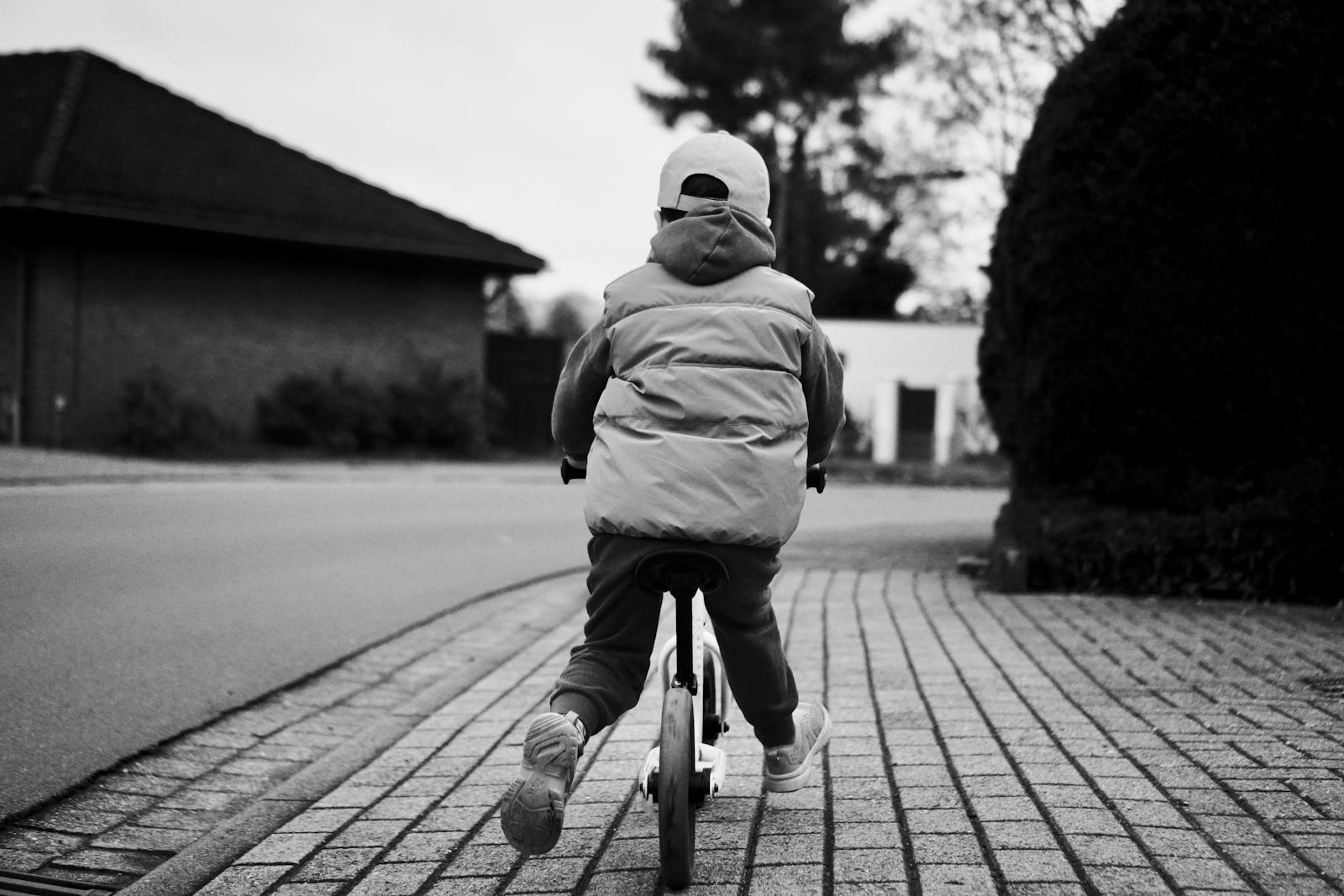
Not using helmets or protective gear for bike riding
Back in the ’60s, it was pretty common for kids to ride bikes without helmets or any protective gear. You might remember thinking it was no big deal since everyone did it.
Today, we know better. Helmets are proven to prevent serious head injuries, so skipping them isn’t just risky—it’s unnecessary.
If you let your kids ride without helmets, you’re putting them at avoidable danger. These days, wearing a helmet is a simple habit that helps keep your kids safe. Plus, setting an example by wearing one yourself makes it easier for them to follow suit.