The 1950s were full of inventive gadgets that shaped how people lived and worked. While many of these tools seemed like breakthroughs at the time, they often came with safety risks or health concerns that would make them unacceptable today.
You’d be surprised to learn which popular ’50s gadgets have been banned or fallen out of use because they don’t meet modern safety standards. Looking back at these items shows how much technology and awareness have changed over the decades.
Radium-infused toys
You might find it surprising, but some toys from the ’50s actually had radium in them. This radioactive element made things glow in the dark, which was a cool feature back then.
These toys and clocks used radium paint on dials or parts, giving off an eerie greenish light. It looked fun, but radium’s radiation posed serious health risks, especially to the workers who made them.
Today, you definitely wouldn’t find radium in toys. The risks were too high, and safety rules have come a long way since then.
Lead-based paint sets
Back in the ’50s, lead-based paint sets were a popular choice for kids’ crafts. You could use them to make bright, colorful art without worrying about safety warnings.
Today, though, those paints would never be allowed in toys or craft supplies. Lead is toxic, especially to children, and can cause serious health issues if ingested or inhaled.
If you come across vintage paint sets, it’s best not to use them. They might look cool, but the risk simply isn’t worth it. Stick to modern, non-toxic paints for your projects.
Asbestos insulation
Back in the ’50s, asbestos was everywhere in homes because it was cheap, fireproof, and durable. You might find it in your insulation, floor tiles, or even wall textures without realizing it.
The problem is that asbestos fibers can break apart and float in the air, which can be really harmful if you breathe them in. Today, it’s banned in most places because long-term exposure can cause serious illnesses.
If you have an older home, you should be careful during renovations. Disturbing asbestos materials without proper precautions can release fibers and create risks for you and your family.
Mercury thermometers
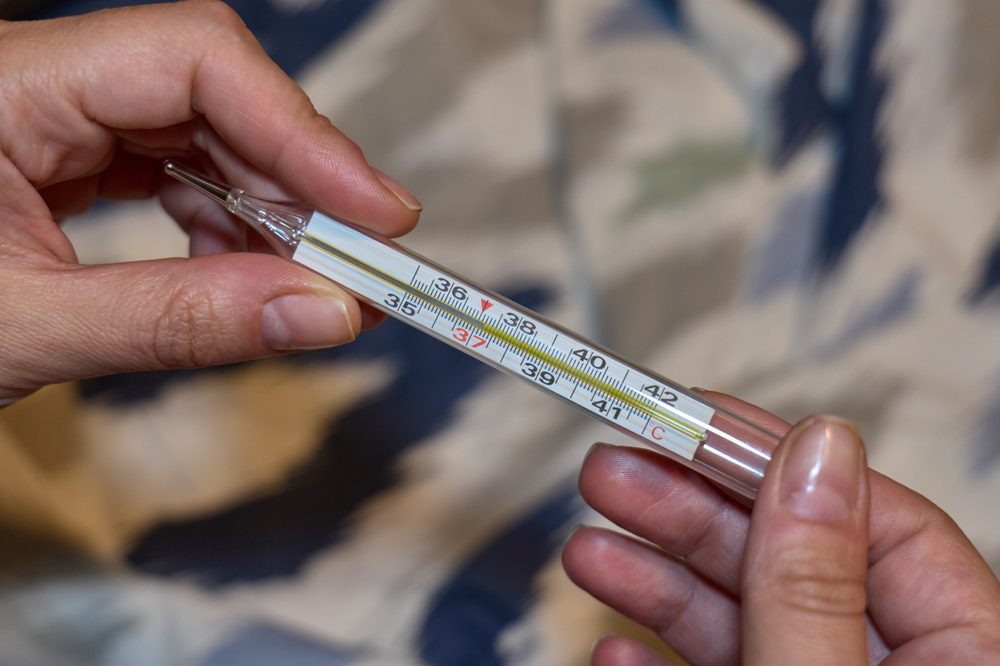
If you grew up in the ’50s, you probably used a mercury thermometer to check a fever. These glass tubes were simple and lasted a long time without needing batteries.
But here’s the catch: mercury is highly toxic. If the thermometer broke, the mercury inside could be dangerous to breathe or touch.
Today, you wouldn’t be allowed to use one in schools or hospitals. Instead, digital or alcohol-based thermometers have taken over—they’re safer and just as reliable without the risk.
Dichlorodiphenyltrichloroethane (DDT) insect sprays
Back in the ’50s, DDT sprays were everywhere in homes. You might have seen your parents or grandparents use them to kill bugs like mosquitoes and bed bugs.
At the time, DDT was praised as a “miracle” chemical because it was super effective and thought to be safe. You could even find ads showing kids playing near spray trucks.
Nowadays, you wouldn’t be allowed to use DDT. It was banned after we learned it harms the environment and can affect wildlife and people. But in some places, it’s still used carefully to fight malaria.
Chainmail bathing caps
Back in the ’50s, chainmail bathing caps were actually a thing. They looked like tiny suits of armor for your head and were meant to keep your hair dry while swimming.
These caps were heavy and not very comfortable, but they sure made a statement at the pool. Today, you’d never see one allowed because chainmail isn’t safe or practical for modern swimwear standards.
If you tried wearing one now, you’d probably get a few odd looks—and maybe some trouble from pool staff. They’re more of a quirky collectible than something you’d actually use.