We’ve all been there—excitedly unboxing a shiny new appliance, only to realize that you can’t just toss it back in the box and return it if things go south. Maybe it’s that bread maker that turned your kitchen into a floury mess, or a fancy espresso machine that’s more of a diva than a barista. Whatever the case, it’s essential to understand why some appliances can’t be returned once they’ve been used. So, grab your coffee, and let’s chat about the six reasons behind this quirky policy.
1. Hygiene Concerns
Let’s face it: nobody wants to buy a used blender that’s been through a chunky smoothie or two. Hygiene is a big deal, especially when it comes to appliances that deal with food. Retailers are super careful about this because once an appliance has been used, it can harbor bacteria or contaminants. That’s why many stores draw the line at items like toasters, food processors, and anything that’s been near your last culinary adventure.
2. Safety Risks
Imagine buying a used deep fryer that’s had a little too much oil action. Yikes! Used appliances can pose safety risks that retailers simply can’t ignore. If an appliance is returned and it’s not in tip-top shape, it could malfunction, leading to potential hazards. Retailers want to keep their customers safe, and that means being cautious about what gets resold. They’d rather not have a lawsuit on their hands because someone tried to deep fry a turkey in a questionable fryer.
3. The ‘Just-Opened’ Experience
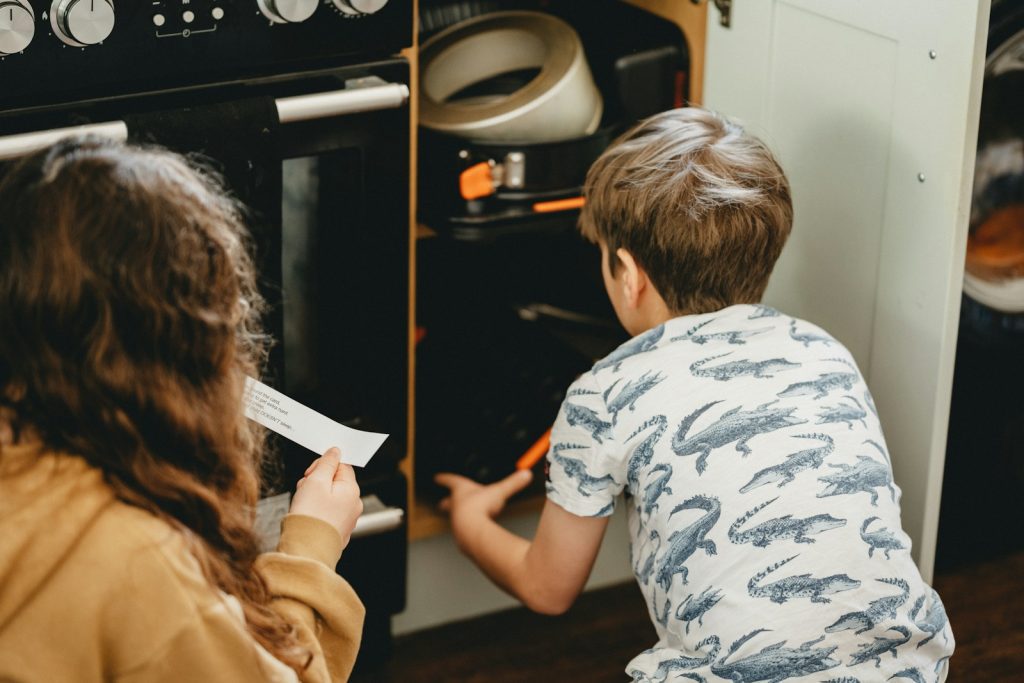
There’s something magical about unboxing a brand-new gadget. That fresh-out-of-the-box feeling is part of the thrill, right? When you buy an appliance, retailers want you to have that pristine experience. Once you’ve used it, that feeling fades. Companies know that a used appliance might not feel the same, and they want to keep that excitement alive—both for you and for their bottom line. Plus, who wants to buy a used item that smells like last week’s dinner?
4. Warranty Woes
Here’s a sneaky little detail: many appliances come with warranties that can be voided if they’ve been used improperly or returned. If you’ve used your fancy vacuum and then decide it’s not working as expected, returning it can mean losing that warranty coverage. Retailers often rely on strict return policies to protect themselves from losing money on products that might not work well after a few uses. So, if you’re thinking of returning that vacuum because it couldn’t handle your pet’s shedding, you might be out of luck!
5. The Cost of Refurbishing
Let’s talk money for a second. When an appliance gets returned, especially after it’s been used, it often needs to be refurbished or cleaned before it can hit the shelves again. This can be a costly process, and many stores aren’t willing to eat those extra expenses. They’d rather keep the item as a “no-return” product than risk losing money on refurbishing it. It’s a bit like buying a new car; once you drive it off the lot, its value plummets—and retailers are no different.
6. The Return Policy is Changing
Lastly, return policies have shifted over the years. Retailers are getting more stringent, especially with online shopping becoming the norm. They want to protect their inventory and ensure that customers aren’t taking advantage of return policies. Think about it: if you could return any used appliance, it’d be a slippery slope. One person’s “I just didn’t like it” could easily turn into another’s “I used it for a month and now want a refund.” Retailers are tightening the reins, and that means stricter policies for all of us.
So the next time you’re eyeing that new appliance, remember that those return policies are in place for a reason. They might feel a bit frustrating, especially when your new gadget doesn’t live up to the hype. But understanding the “why” behind these rules can soften the blow. And who knows? Maybe it’ll help you make a more informed decision before you hit that “buy” button. Just think twice about that bread maker, okay? You might end up with more dough than you bargained for!
More from Decluttering Mom: