When we dine out, our actions often reveal more about us than we realize. The way we behave in restaurants can silently share clues about our background, experience, and social habits.
Understanding these subtle habits helps us become more aware of the signals we send without meaning to. By paying attention to our dining behavior, we can improve how we come across and enjoy a better experience for everyone involved.

Ordering the cheapest items first to save money
When we order the cheapest items on the menu, it’s easy for servers and other diners to notice. It can sometimes send a signal that we’re trying too hard to save money.
While it’s smart to watch our budget, mixing in a few mid-range options can make our meals feel more balanced. Plus, it helps us avoid that “penny-pincher” vibe.
Sometimes, sharing dishes or skipping extras like appetizers and drinks can save money without sticking strictly to the lowest-priced items. This way, we enjoy dining out without standing out for the wrong reasons.
Asking for a printed menu in a digital-only restaurant
When we ask for a printed menu in a digital-only spot, it can quickly mark us as newcomers. These restaurants rely on screens or QR codes to keep everything fresh and hygienic.
Sometimes, our request shows we’re not used to ordering on phones or tablets. It’s a small habit, but it stands out since most customers now expect digital convenience.
That said, it’s okay to need some extra time or help navigating a digital menu. It just reminds us that restaurant tech is changing how we dine every day.
Maximizing sides and extras to avoid ordering more entrees
We often try to fill up without ordering another entree by stacking sides and appetizers. It’s a smart way to enjoy variety and control costs without overwhelming the table.
Choosing a mix of flavorful sides can make the meal feel more complete. We get to sample different tastes without committing to a heavy main dish.
Sometimes, ordering extras like bread or small plates can satisfy hunger without the formality of a full entree. It’s a casual, flexible approach that fits well when we’re not too hungry.
This habit can tell servers that we’re mindful of portion sizes and looking for a balanced dining experience. It’s a quiet but clear signal at the table.
Requesting water and bread as a standby before ordering
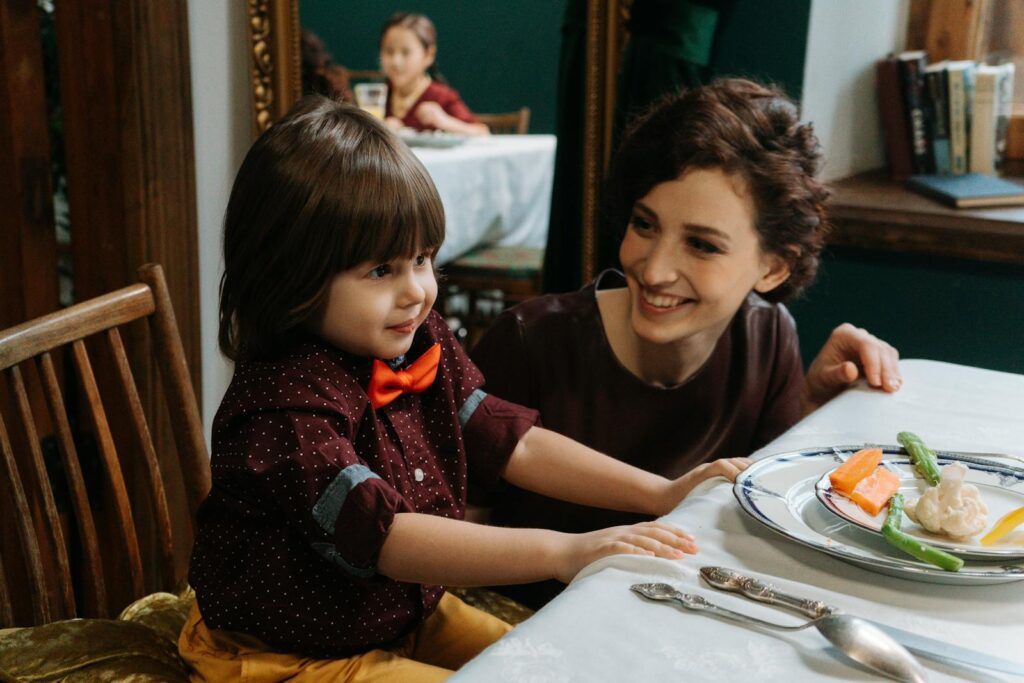
We’ve learned that asking for water and bread right away is a common habit in many restaurants. It helps us settle in and feel comfortable while deciding what to order.
Many places bring bread automatically, but requesting it early shows we know how the process works. This small action can make our dining experience smoother.
It also signals to the staff that we’re ready and engaged without rushing. Plus, having bread handy can keep us satisfied in case our meal takes a bit longer to arrive.
Boxing leftovers immediately after food arrives
We’ve all seen someone start packing their food before the meal even begins. It’s a bit of a giveaway. It signals impatience or that the dining experience isn’t the priority.
Taking leftovers home is perfectly fine, but waiting until after we’ve enjoyed the food is respectful to the restaurant and fellow diners. Plus, boxing up too early can make us miss the best flavors and the full experience.
If we do pack our leftovers, doing it ourselves at the table is often preferred. It lets us control portions and keeps the server’s workflow smooth. Patience here shows good manners and appreciation.
Calculating the tip down to the exact cent
We’ve all seen people whip out their phones to calculate the tip down to the exact cent. While it shows they want to be precise, it can sometimes come off as a bit too meticulous.
Using an app or tip calculator is helpful, but spending too much time on exact numbers might make the experience feel less relaxed. Tipping roughly between 15-20% usually works well and keeps things simple for everyone.
It’s great to be fair, but we don’t need to stress over every penny. Sometimes rounding up or down is perfectly fine and keeps the interaction friendly.