They don’t make them like they used to—and nowhere is that truer than with sewing machines. Those heavy-duty, metal-bodied beauties from decades past were built to last, and collectors (and quilters) can’t get enough of them. What once stitched school costumes and Sunday dresses is now a hot-ticket item, often selling for hundreds—sometimes even thousands—online.
So if there’s an old sewing machine hiding in your attic or still sitting proudly on Grandma’s desk, take a closer look. These six retro models are worth threading your attention through.
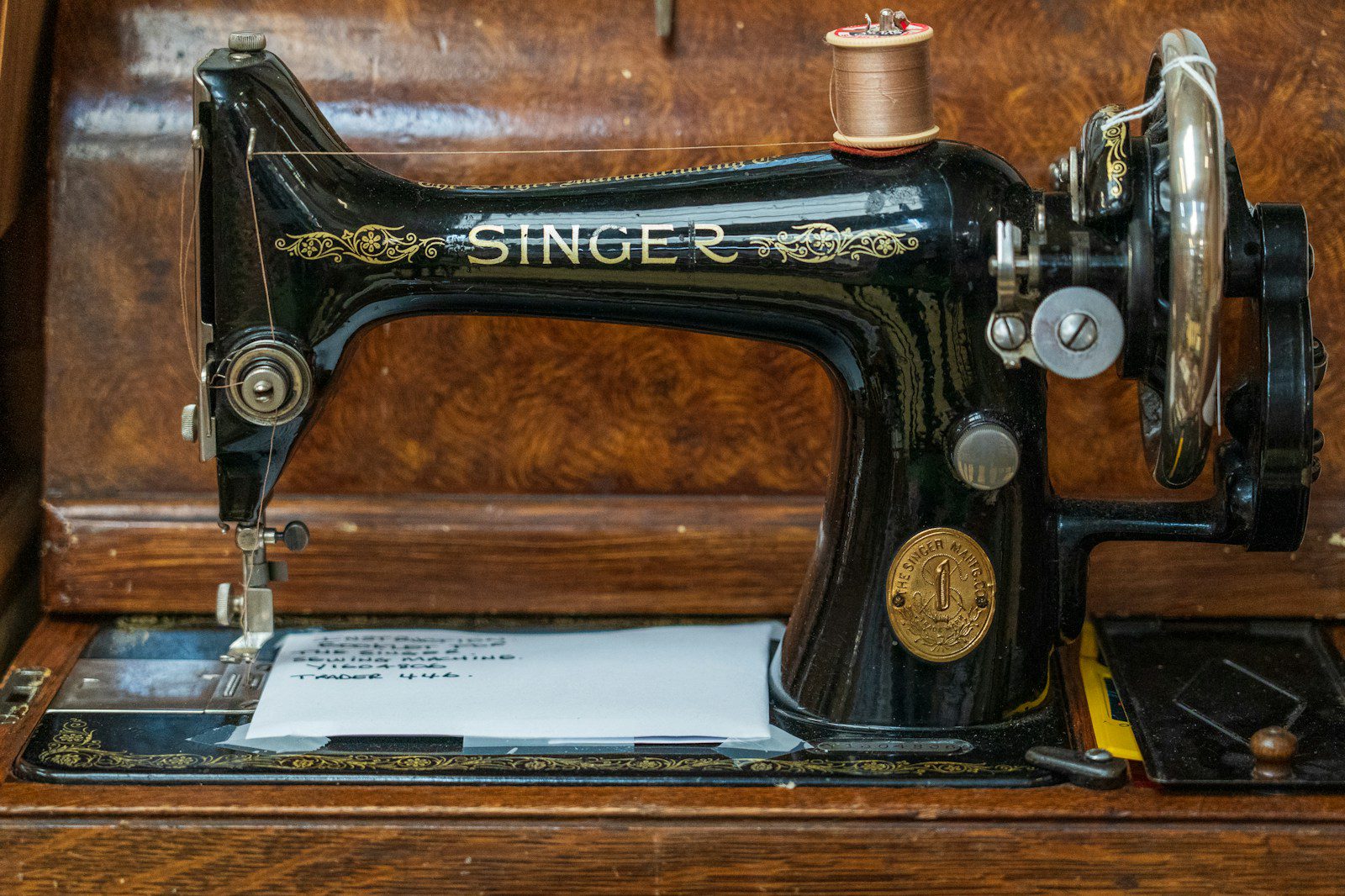
Singer Featherweight 221
The holy grail of collectible sewing machines, the Singer Featherweight 221 has a cult following among quilters and vintage fans alike. Produced from the 1930s through the 1960s, this compact, portable machine is prized for its smooth operation and timeless design.
Collectors love models with their original cases, attachments, and serial numbers starting with “AE” or “AG.” Depending on condition, they can fetch anywhere from $300 to $800—or more for rare colors like white or tan. It’s the little machine that could—and still can.
Singer 301A
Often called the “Featherweight’s big sister,” the Singer 301A is another collector favorite. Built in the 1950s with an aluminum body and internal motor, it’s lightweight, durable, and known for its whisper-quiet performance. The sleek design and solid stitch quality make it a practical collectible.
The coveted “long bed” version in mocha or black tends to sell for higher prices, often in the $400–$700 range. Collectors prize machines with original cords, foot pedals, and manuals intact. It’s one of those rare antiques that’s both beautiful and genuinely useful.
Bernina 530 Record
Swiss precision meets vintage charm in the Bernina 530 Record, a sewing machine that’s still beloved by professionals today. Introduced in the 1950s, it was known for its flawless engineering, smooth feed, and sturdy build.
Collectors look for the red Bernina logo and smooth-running mechanics—if it still hums like a dream, it’s a keeper. Machines with original accessories and cases often sell for $400–$800, while pristine examples can hit even higher. Like a Swiss watch, it’s a masterpiece of craftsmanship that never goes out of style.
Pfaff 130
The Pfaff 130 was a workhorse of the mid-20th century, often praised for its versatility and strength. Made in Germany, this model could handle everything from silk to leather without breaking a sweat—something modern machines still struggle with.
Collectors love the mechanical artistry of the Pfaff 130, especially versions with original decals and working foot pedals. Expect prices around $300 to $600 depending on condition. Bonus points if yours includes the wooden cabinet or accessory kit—it’s the kind of sturdy engineering that’s as impressive now as it was 70 years ago.
Kenmore Model 158
Not all collectible sewing machines come from luxury brands. The Kenmore 158 series, made by Sears in the 1960s and ’70s, is a surprise hit among retro enthusiasts. Known for its durability and all-metal construction, this machine was built to last—and it has.
Working models in clean condition can sell for $200–$400, while mint examples with original attachments fetch even more. These machines might not have the glamour of a Singer, but they have reliability in spades. Think of them as the quiet achievers of the vintage sewing world.
Necchi Supernova Julia
Italian-made and effortlessly stylish, the Necchi Supernova Julia from the 1950s and ’60s combines sleek design with mechanical genius. Known for its smooth motor and decorative stitch options, it was ahead of its time—and collectors have taken notice.
Machines with the signature green finish and all-metal body are especially valuable, often selling for $400 to $900. They’re loved for both their beauty and precision. If you spot one at an estate sale, grab it before someone else does—because this is one “vintage Italian” that won’t stay on the shelf for long.
Retro sewing machines are a rare mix of form and function—equal parts engineering marvel and design statement. Whether it’s a featherweight Singer or a stylish Necchi, these machines remind us that quality craftsmanship never goes out of style. And if you happen to have one tucked away, you might just be sitting on a few hundred dollars of stitch-perfect nostalgia.