


Growing up in the ’90s was a unique experience that shaped a generation in ways that technology and convenience simply can’t replicate today. You learned important life lessons through everyday challenges, often figuring things out on your own without instant answers at your fingertips.
These lessons taught you resilience, creativity, and patience by forcing you to face problems the hard way. While times have changed, the values gained from navigating childhood the ’90s way still hold important meaning for how you approach life now.
How to rewind VHS tapes before returning them
You learned early that rewinding a VHS tape before returning it was just basic courtesy. Always press “Stop” before hitting rewind to avoid damaging the tape inside.
If your VCR won’t rewind properly, you could rewind manually by gently turning the tape reels with a pencil. Some tapes have a small lever to release the brakes, making winding easier.
Using a standalone VHS rewinder was another common trick. It saved wear and tear on your VCR while making sure your tape was ready for the next person.
Struggling with NES cartridge connections to get games to work
You probably remember how your NES games wouldn’t start unless you fidgeted with the cartridge. That old 72-pin connector inside the console would get dusty or corroded over time, causing poor contact.
Cleaning was a must. You learned to gently sand those pins, then clean the cartridge edges with alcohol to keep them working. Blowing air or wiping with a cotton swab became part of the ritual.
Sometimes you had to push the cartridge in just right, almost scraping the port. It wasn’t the easiest fix, but that struggle was part of the NES gaming experience.
Navigating dial-up internet patience and sounds
You learned quickly that connecting to the internet wasn’t instant. The screeching and beeping of your modem was a signal that your computer and the server were trying to “talk” to each other.
Those sounds were a mix of static, beeps, and whistles, creating a mini symphony you could recognize anywhere. You had to wait and hope the connection would succeed before starting anything online.
If the noise stopped too soon, you knew it meant a failed connection and a restart was needed. Patience was key, and you became a pro at enduring those moments without getting frustrated.
Surviving without GPS and figuring out maps
You learned to read physical maps long before smartphones made navigation easy. Folding those paper maps correctly and matching landmarks was a skill you had to nail.
Without a GPS, you used a compass or natural signs like the sun and stars to find your way. Getting lost wasn’t just inconvenient—it was an opportunity to build real navigation skills.
Knowing how to use offline maps or roadside signs was essential during road trips. You figured out quickly that patience and a little practice made map reading second nature.
Learning to share and wait for your turn on the family landline phone
You quickly learned patience when the landline phone was the only way to call friends or family. If someone else was already talking, you waited your turn, often standing by the phone and hoping the line would free up soon.
Sharing the phone meant more than just waiting. You figured out how to take turns, sometimes passing the handset to siblings or parents. It taught you early lessons about respect and cooperation.
That old landline showed you the value of being calm and fair. It wasn’t always easy, but it helped shape how you connect with others today.
Mastering mixtapes as a way to express feelings
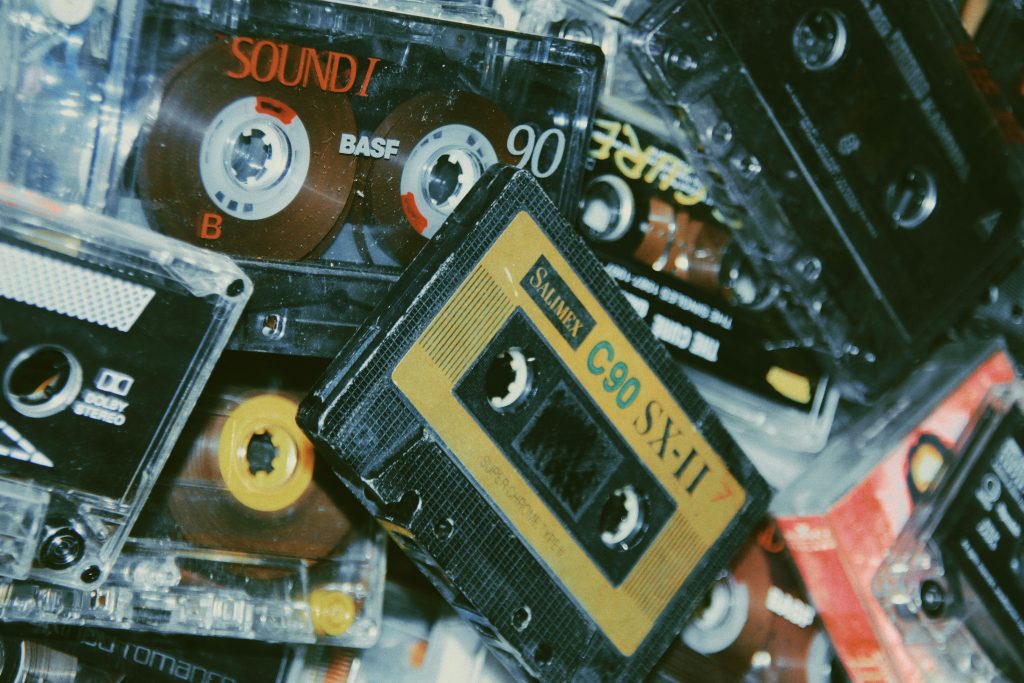
You learned that making mixtapes wasn’t just about sharing songs. It was a way to show your feelings when words failed. Each carefully picked track carried a message only the person receiving it could understand.
You mastered the art of timing, waiting to press record at the perfect moment. The order of songs mattered—it shaped the mood and told a story.
Mixtapes became personal gifts, like handwritten notes. They helped you connect with friends or crushes without saying a word out loud.