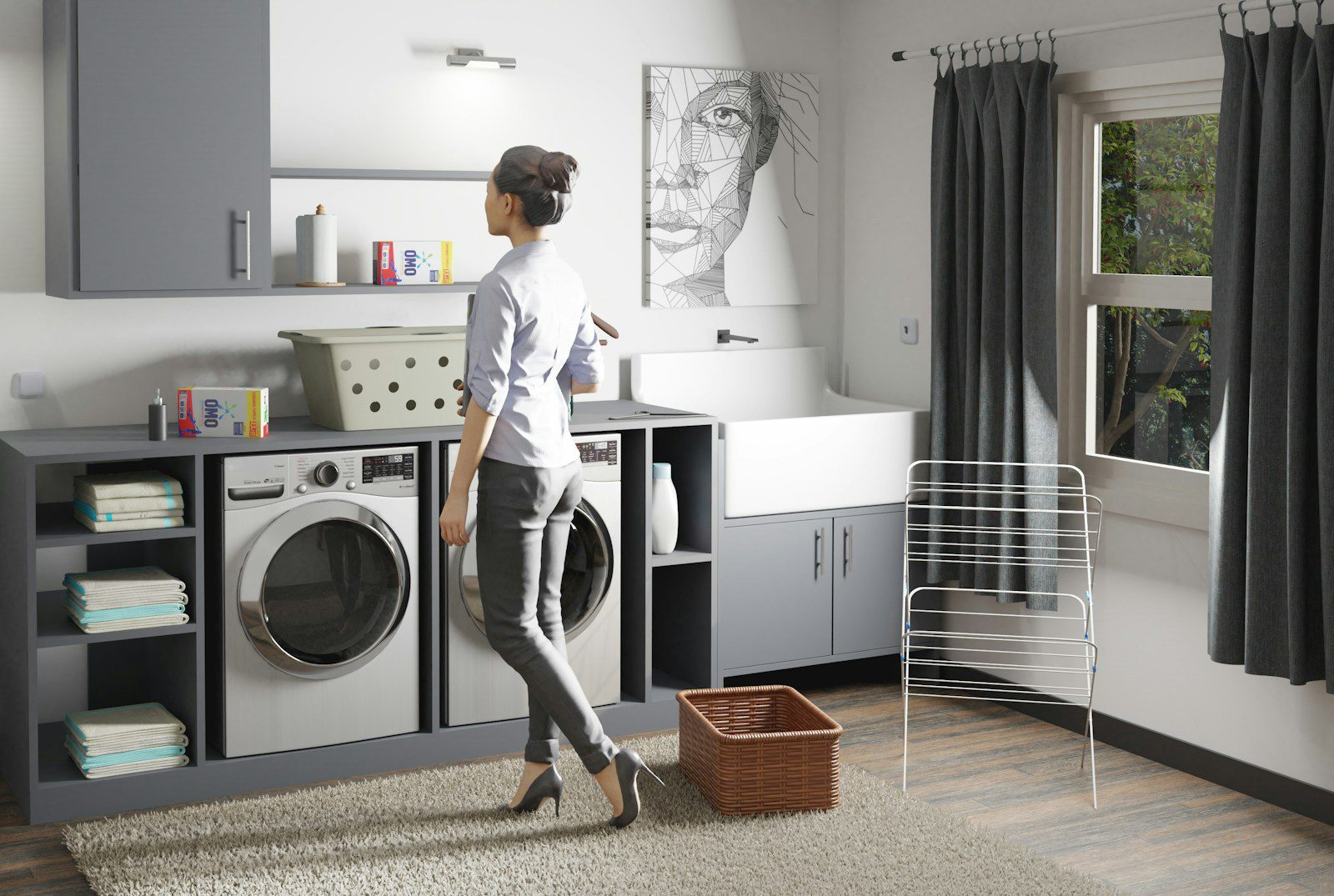
Laundry is already a never-ending task without a cluttered room making it harder than it needs to be. A laundry area stuffed with things that don’t belong there means more time spent searching and shuffling, and less time actually getting through the pile.
Here are six things worth clearing out of your laundry room so the space actually works for you.
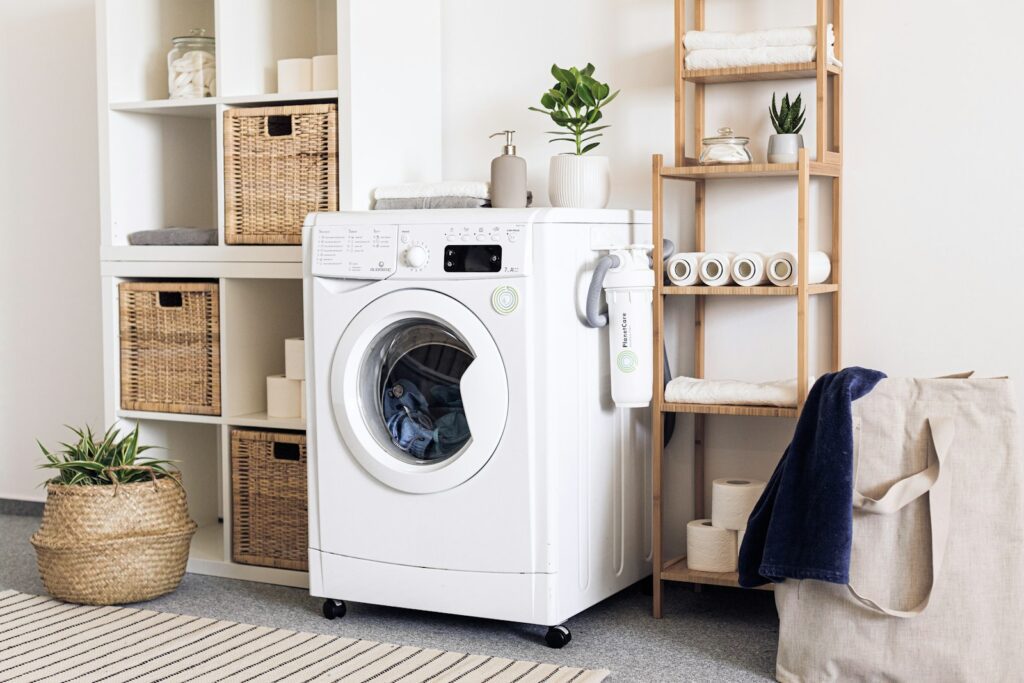
Excess Lint Buildup Around the Dryer
This isn’t just a clutter issue — it’s a genuine safety one. NFPA research on home fires shows that failure to clean dryers is a leading factor contributing to dryer fires, with lint buildup in the trap, vent, and surrounding area posing a real risk. Clear the lint trap after every single load, not just when it looks full. Then look past the trap. A couple of times a year, pull the dryer forward and vacuum the floor, the wall, and the back of the machine, where lint settles out of sight. Check that the vent hose isn’t crushed or kinked against the wall. While the dryer is running, step outside and confirm the exterior flap opens and air is moving. Keep the top of the dryer and the floor around it free of stray socks, used dryer sheets, and cardboard boxes. Have the vent itself professionally cleaned periodically, especially if you notice clothes taking longer than usual to dry.
Mismatched or Broken Hangers
A pile of tangled wire hangers or ones with a broken hook tend to build up near the laundry area since that’s where clothes go right after washing. Pull them all out and sort them into three groups: ones you’d use today, extras in good shape, and damaged. Cracked plastic and snapped hooks drop clothes on the floor, and bent wire leaves shoulder bumps in knits, so none of those are worth saving. Keep a supply of hangers you actually like using, sized to what you hang to dry in a typical week plus a few spares. One matching style on the rod nests neatly and doesn’t tangle the way a mixed bunch does. Recycle bent, broken, or oddly shaped ones through a dry cleaner or metal recycling program. Ask at the counter, since some cleaners reuse wire hangers that are still in good condition. Check your local program’s rules before putting any hanger in the curbside bin. Donate the good extras with your next clothing drop-off.
Single Socks Waiting for Their Match
Every laundry room seems to have a basket or pile of lone socks waiting for a partner that may never turn up. Before you give up on them, check the usual hiding places: inside pant legs and fitted-sheet corners, under the rubber door gasket on a front-load washer, behind and between the machines, and at the bottom of each hamper. Then give the rest a firm timeline. Put the singles in one small container with the date on it. If a sock hasn’t found its match within a month or two, it’s time to repurpose it as a cleaning rag or let it go entirely. A cotton sock worn over your hand makes a good duster for blinds and baseboards. To keep the pile from refilling, wash small socks in a mesh bag. When it’s time to replace them, buy several pairs of the same style and color for each person. If one goes missing, the rest still match each other.
Empty or Nearly Empty Detergent Bottles
Bottles kept around “just in case there’s a little more” rarely have enough product left to matter. If one feels light, deal with it at the next load: add a little warm water, put the cap on, swish, and pour the diluted remainder into the washer. That uses the last of the detergent and rinses the bottle at the same time. Once you’re scraping for drops, recycle the container and open a fresh one rather than keeping empties cluttering the shelf. Two partial bottles of the same product can be combined into one, but don’t mix different products. A simple rule keeps the shelf under control: one bottle in use and one backup. If you use detergent pods and have kids at home, where that backup sits matters. Poison Control’s guidance on laundry detergent pods is to keep them out of sight and reach of children and to lock the container after removing a pod, every time.
Stain Removers You’ve Never Used
Specialty stain treatments bought for one specific spill often go untouched afterward, especially if a more general all-purpose product handles most stains just fine. Line up everything you own and you’ll likely find overlap: two sprays that do the same job, a stick, a pen, a tub of powder, and something bought for a single ink or wine emergency. Keep the products you reach for regularly. For most households that’s one pretreat spray or gel and one soak product. Check the rest before deciding. Look for an expiration date, and get rid of anything that has separated, hardened, or clogged its own nozzle, following the disposal directions on the label. Read what each product is meant for, since a treatment for a stain your family never gets is just taking up space. Pass along unopened specialty items you’re unlikely to use again. Opened bottles are harder to donate, so offer them to a neighbor. Store what stays in one caddy, up high if you have small children.
Dryer Sheets or Fabric Softener From a Brand You Stopped Buying
A half-used box of dryer sheets from a scent or brand you switched away from often just sits on the shelf rather than getting finished. Figure out why you stopped. If it was only a mild preference, use up what you have before opening the new box. If the scent bothered someone in the house, don’t force yourself to finish it. Donate an unopened box, or hand an opened one to a friend who buys that brand. The same goes for a bottle of liquid softener. If you do use dryer sheets, ENERGY STAR’s clothes dryer guidance notes that they can leave a film on the lint filter that reduces air flow, and it recommends scrubbing the filter with a toothbrush once a month. Going forward, keep your current laundry supplies streamlined to what you actually buy on repeat: one detergent, one softener or sheet if you use them, and one stain treatment. Try a small size before buying a new scent in bulk.