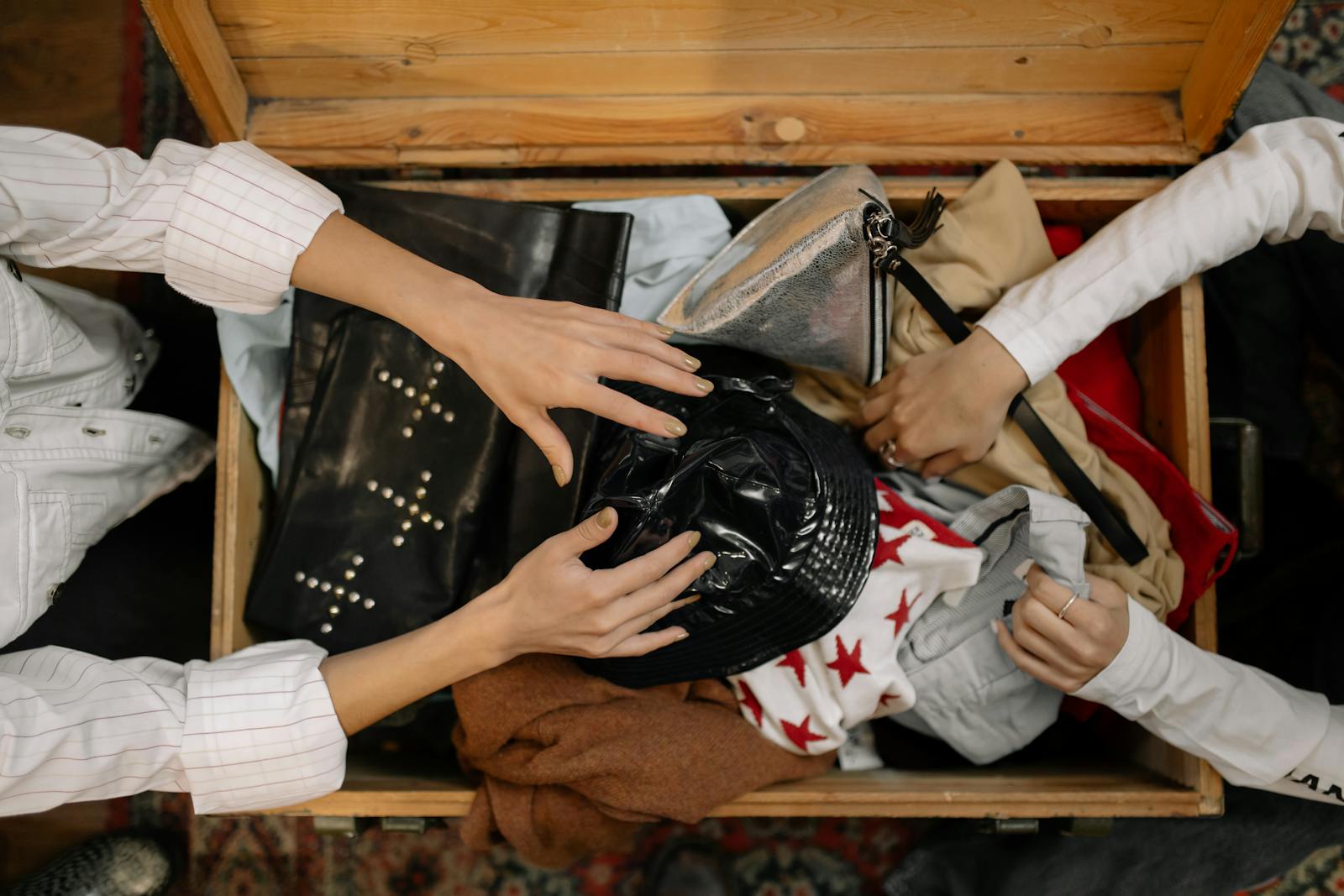
We all love the idea of giving back, right? Donating items to charity can feel like a warm hug for your soul. But here’s the thing—sometimes, in our enthusiasm to declutter or help others, we toss things in the donation pile without a second thought. And while the intention is fantastic, some items are better off staying put. Let’s chat about six things people often donate without checking first, so you can be that savvy donor who’s doing good the right way.
1. Worn-Out Clothes
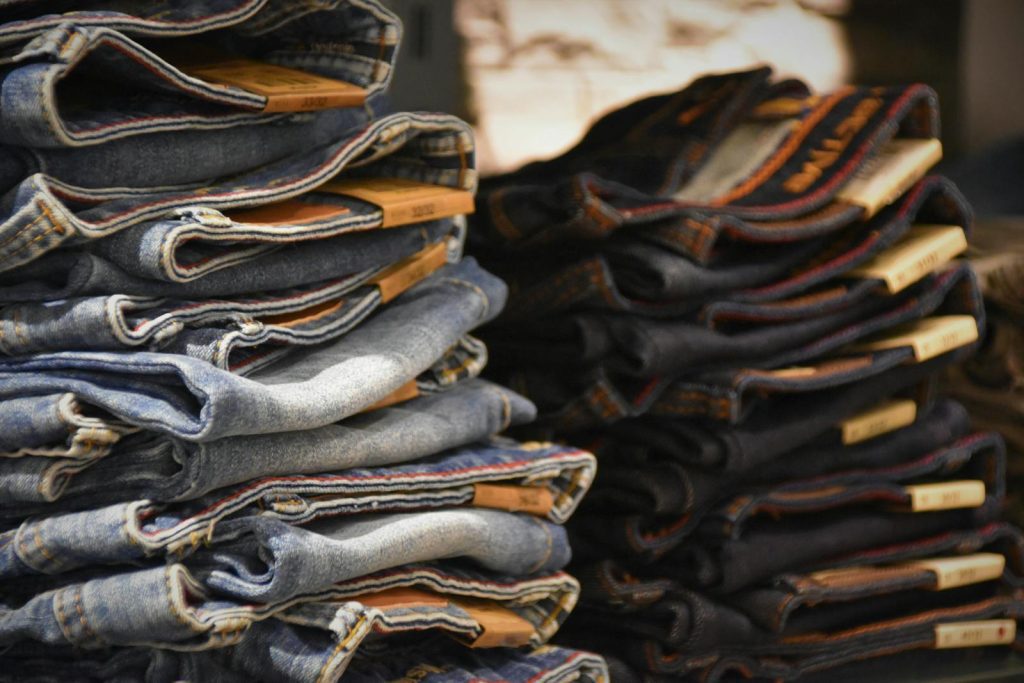
We’ve all got that favorite sweater that’s seen better days. You know, the one with the holes and questionable stains? It might be time to let it go, but that doesn’t mean it should end up in the donation bin. Charities typically can’t sell damaged or heavily worn clothing. Instead, consider recycling it or using it as a cleaning rag. Your old sweater deserves a better fate than becoming a raggedy relic in someone else’s closet!
2. Expired Food Items
Food donations are a noble cause, but this is a classic case of “check before you wreck.” People sometimes clear out their pantries and think, “Hey, someone else might want this!” But expired or nearly expired food can be a no-go for many food banks. They usually have strict policies about freshness because, let’s face it, nobody wants to risk a tummy ache. So, before you toss those outdated cans of soup into the box, give ‘em a little inspection.
3. Broken Electronics
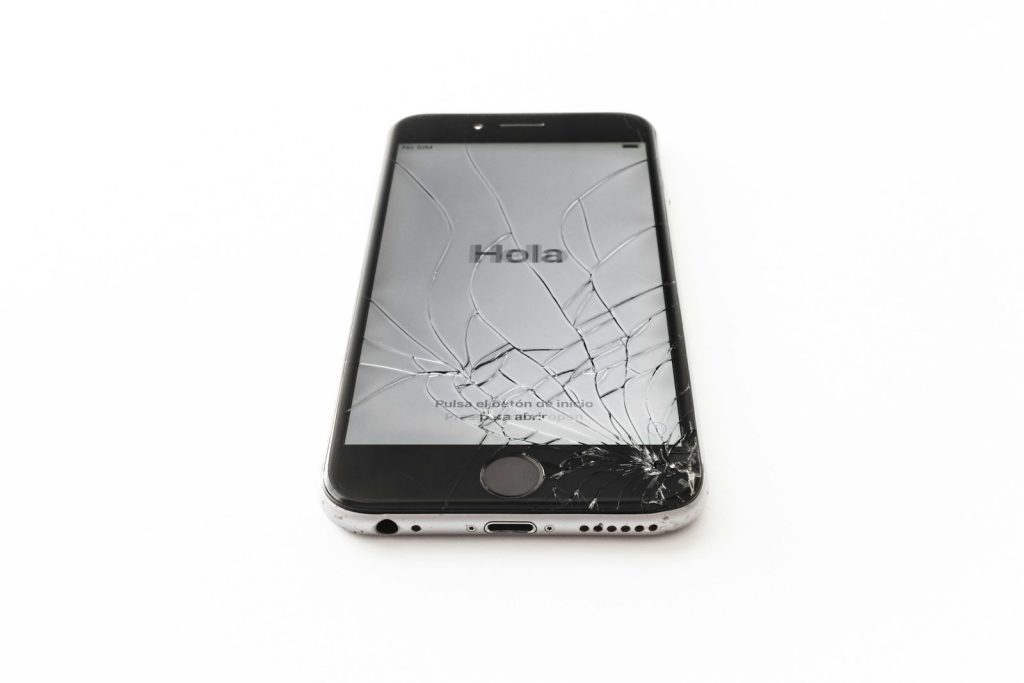
Got an old TV that’s about as functional as a rock? Or maybe a phone that’s stuck on “dead battery” mode? It’s tempting to think someone could repair it or use it for parts. However, most charities simply lack the means to fix broken electronics. Instead of tossing them into the donation pile, consider recycling them or looking for a specific electronics recycling program. Trust us; your local thrift store would rather have the space for working gadgets!
4. Old Furniture in Disrepair
That vintage chair from Aunt Edna might have sentimental value, but if it’s teetering on three legs, it’s not doing anyone any favors. Donating furniture that’s seen better days can be a little tricky. Many charities won’t accept items that need repairs or are structurally unsound. Before you say goodbye to that piece of “art,” think about whether it’s something someone else can actually use. If it’s more of a hazard than a home accessory, it’s time for a different plan.
5. Personal Items
This one might seem obvious, but you’d be surprised how many people donate personal items like toiletries, used makeup, or even undergarments. While the intention is sweet, most charities won’t accept these items due to hygiene issues. Instead, consider local shelters or organizations that might have specific needs for new, unopened products. Remember, there’s a fine line between generosity and just plain weirdness when it comes to personal items!
6. Books You’ll Never Read
Ah, the classic “I’ll totally read this one day” book donation. We all have those dusty tomes sitting on our shelves that seemed like a good idea at the time. But if you haven’t cracked the spine in years, it’s probably not going to happen. Before you donate, ask yourself: Is this book in good condition? Will someone actually want it? If it’s a little worn but still readable, great! But don’t just donate it because it’s taking up space. A little thought can go a long way!
Final Thoughts
Donating is a wonderful way to make a difference, but it’s important to be mindful about what you’re giving. By taking a moment to check the condition and appropriateness of your items, you can ensure they truly serve a purpose. It’s all about making thoughtful choices that help others while also being a responsible donor. So the next time you’re ready to donate, channel your inner Marie Kondo and ask, “Does this spark joy—or is it just junk?” Happy donating!
More from Decluttering Mom: