
Decluttering can feel like an endless cycle sometimes, especially when you find yourself tackling the mess again and again. It’s easy to get overwhelmed or frustrated, and that’s totally normal. Before you start pulling things out or tossing items, there are some important ideas to keep in mind that can make the process easier and more effective.
Understanding a few key things before you dive back into decluttering can save you time, reduce stress, and help you keep your space tidy for longer. Knowing what to focus on and how to approach your stuff differently can change the whole experience, so you don’t just clear clutter temporarily but actually create a space you enjoy living in.
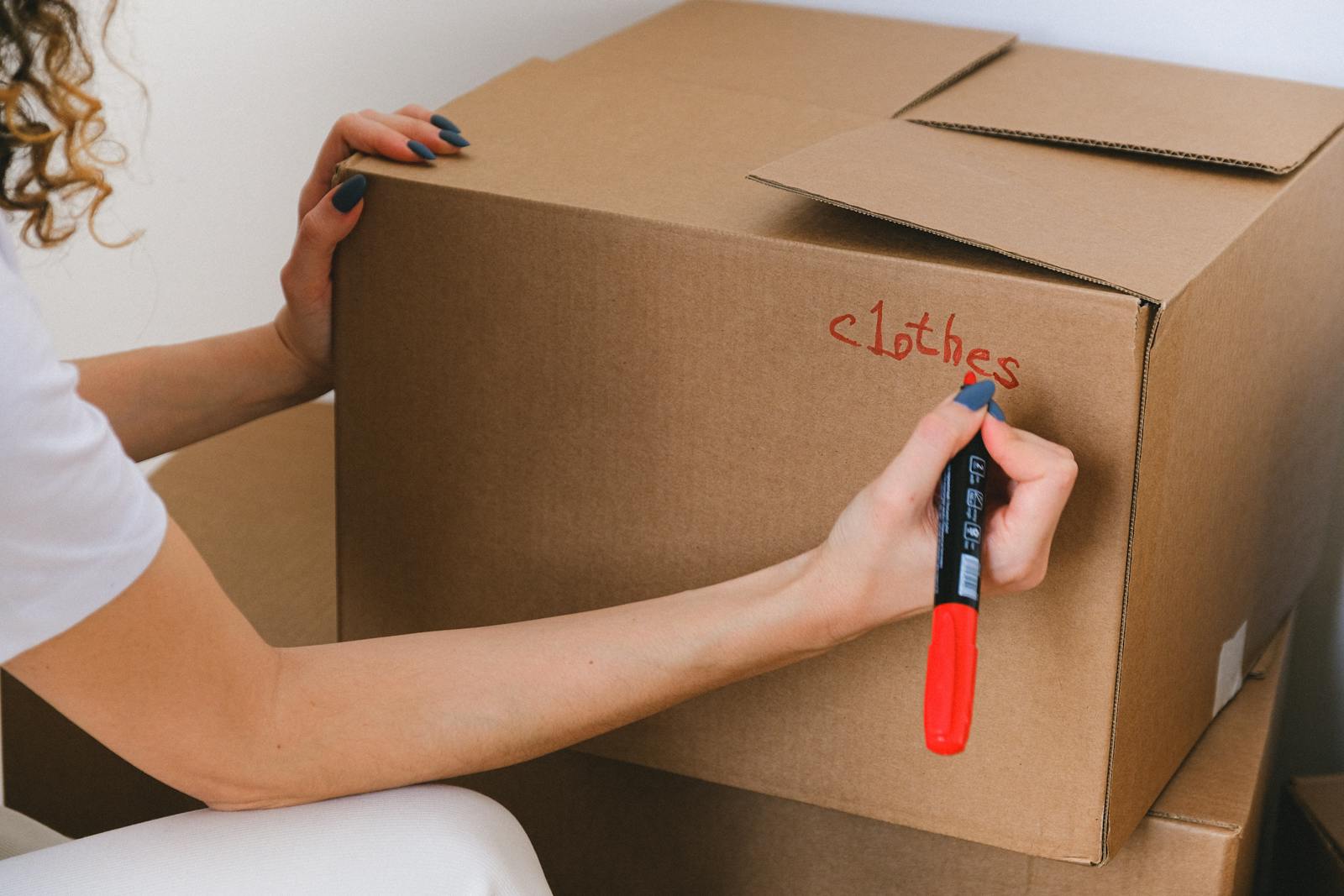
Decluttering isn’t about getting rid of everything, it’s about keeping what truly matters.
When you declutter, it’s not about tossing stuff just for the sake of it. You focus on what you actually want to keep—things that make your life easier or bring you joy.
This mindset helps you avoid overwhelm and regret later. It’s about being intentional with your space and stuff, not about being ruthless.
By holding onto what matters, you create a home that fits who you are now. That way, you can spend less time sorting clutter and more time enjoying what you’ve chosen to keep.
It’s okay to keep sentimental items—just don’t let them take over your space
You don’t have to ditch every sentimental thing to declutter effectively. Keeping a few meaningful items is totally fine and can help you feel connected to your memories.
The key is to avoid letting these possessions overwhelm your space. Choose one or two special pieces instead of holding on to everything.
Try limiting your keepsakes to a small box or photo book. This way, you honor your past without letting clutter crowd your life.
Declutter in small chunks to avoid feeling overwhelmed
Start by tackling one small area at a time. You don’t have to clear your whole space in one go.
Breaking the task into tiny chunks makes it less stressful and easier to stay motivated.
Focus on a drawer, a shelf, or even a single box. Once that’s done, you can move on without feeling burnt out.
Taking small steps helps you build momentum without pressure. It’s all about progress, not perfection.
Remember, slow and steady wins the decluttering race.
Remember, not everything that’s old needs to be thrown away.
Just because something hasn’t been used in a while doesn’t mean it’s useless. Seasonal items, like holiday decorations, often sit untouched for months but still hold value.
Some things are worth keeping for special occasions or sentimental reasons. It’s okay to hang onto items you know you’ll need or want later.
Be mindful not to toss anything too quickly. If an item has genuine purpose or meaning, it’s better to keep it than regret getting rid of it.
Focus on where clutter builds up most and start there.
You don’t have to tackle every messy spot at once. Find the places where clutter piles up the most in your home—like your kitchen counter, your entryway, or your desk.
Starting where you spend most of your time helps you see progress faster. It feels motivating and makes the task less overwhelming.
When you clear your main clutter zones first, it creates positive momentum. You’ll likely feel more inspired to keep going and tackle other areas later.
You’ll feel lighter and more peaceful once you reclaim your space.
When you start clearing out clutter, you create room for your mind to breathe. The physical space around you affects how calm or stressed you feel inside.
Reclaiming your space isn’t just about tidying up. It helps you build a peaceful environment where you can focus and relax.
As you organize and clear, you’ll notice a shift in your mood. That lightness comes from having control over your surroundings and less mental noise.