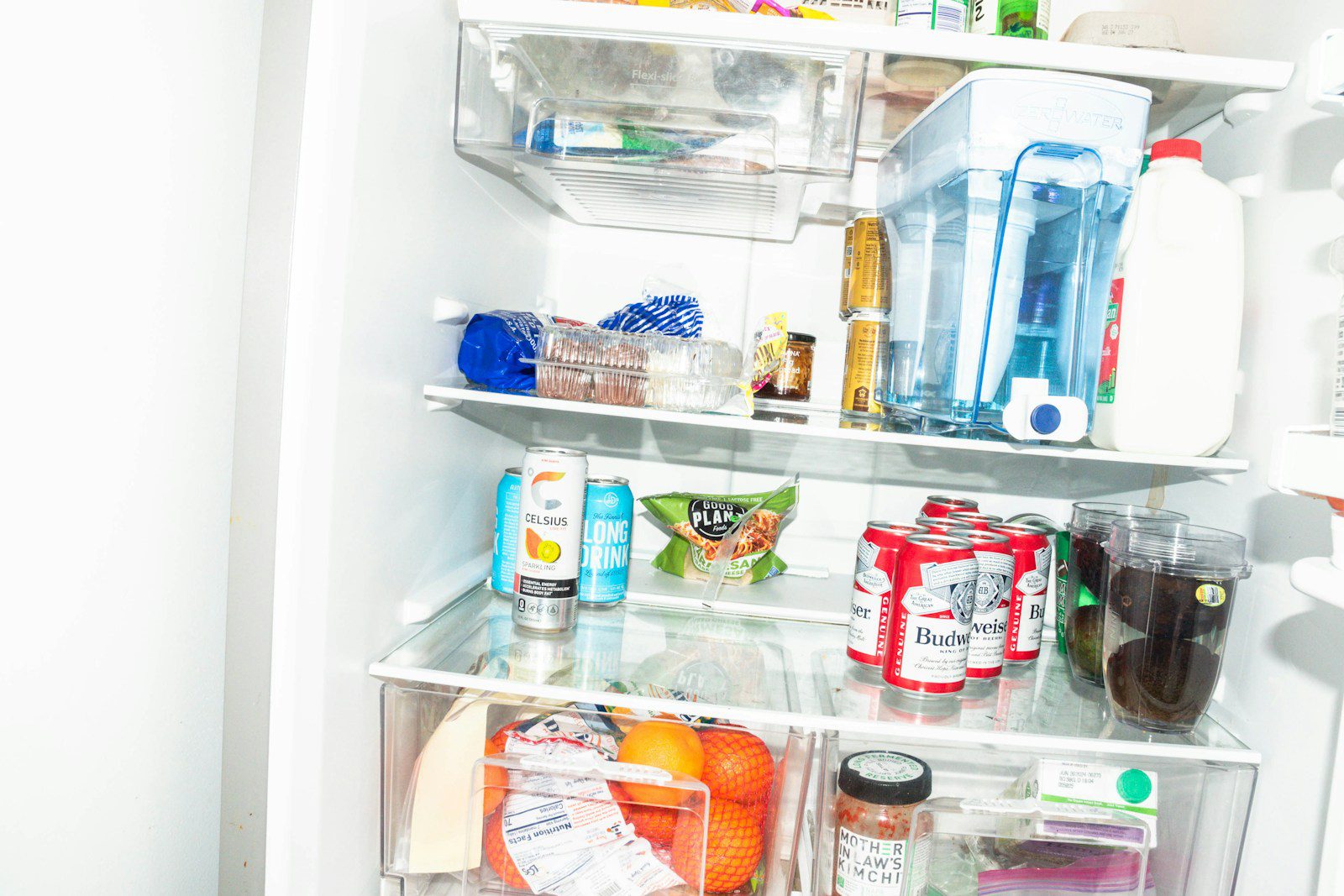
Your fridge can quickly become a magnet for items you don’t really need or use, making it harder to find what you do. Overstuffing your fridge not only creates clutter but can also affect food quality and waste space that could be better organized.
Knowing what to stop hoarding in your fridge helps you maintain a clean, efficient, and more enjoyable kitchen space. By cutting out unnecessary items, you’ll save time, reduce food waste, and make meal prep simpler.
Expired dairy products
You should avoid keeping expired dairy products in your fridge because they can spoil quickly and cause foodborne illness. Milk, cheese, and yogurt can develop harmful bacteria once past their expiration date.
Check your fridge temperature regularly. Keeping it below 40°F helps extend dairy freshness and slows spoilage.
If you find dairy nearing its expiration date, try freezing it in small portions to use later. This can save you money and reduce waste.
Leftover sauces past a week
You might be tempted to keep leftover sauces in your fridge beyond a week. However, most sauces only stay good for about five to seven days when refrigerated. After that, the risk of spoilage increases, and the flavor can change.
If you don’t plan to use your sauce within a week, it’s best to freeze it. This helps preserve both taste and safety. Avoid guessing—always check for any off smells or changes in texture before using leftover sauces.
Wilted leafy greens
You might be tempted to keep wilted leafy greens hoping they’ll bounce back. But hanging on to limp, soggy leaves only takes up fridge space and can make your other veggies spoil faster.
Instead, try to store your greens dry and wrapped in a paper towel to keep them crisp longer. If they do start to wilt, you can revive them by soaking in cold water for a short time.
If your greens are beyond saving, use them in soups or sautés instead of tossing them. This helps reduce waste and makes a tasty meal without the crunch.
Old deli meats
You might be holding onto old deli meats longer than you should. Once opened, most deli meats last about three to five days in your fridge.
Keeping them past that point increases the risk of spoilage and foodborne illness.
Proper storage helps, like sealing them tightly and placing them in the coldest part of your fridge.
If you notice any off smells or slimy textures, it’s time to toss them.
Avoid letting old deli meats create unnecessary clutter or health risks in your fridge.
Opened condiments beyond their date
You might be tempted to keep opened condiments past their expiration date, but it’s best to toss them when they’re outdated. Over time, condiments like mayo, ranch, and soy sauce can develop off flavors or even harbor harmful bacteria.
Always check the label for how long to keep them after opening. When in doubt, if the smell, texture, or color looks off, throw it away. It’s a simple step that helps keep your fridge safe and your food tasting fresh.
Moldy fruits and vegetables
If you spot mold on soft fruits like strawberries or tomatoes, it’s best to toss them. Mold can spread deep into these moist foods, making them unsafe to eat.
For hard fruits like apples, mold can sometimes grow inside, producing toxins. So, don’t risk it—throw out any that look moldy.
Keep your fruits and veggies dry and store them separately to slow down mold growth. Wash berries only before eating to avoid excess moisture.