Thrift stores are full of surprises, and knowing which items are genuinely valuable can save you time and money. While some things might look ordinary or worn, there are key indicators that suggest an item could be worth much more than its price tag.
Recognizing these subtle red flags helps you spot hidden treasures that others might overlook, making your thrifting trips more successful and rewarding. With the right knowledge, your next thrift store find could turn into a prized possession.
Distinct maker’s marks or signatures
When you spot a clear maker’s mark or signature on an item, pay close attention. These small stamps or engravings can often indicate the creator and add value.
Many valuable pieces come from well-known artists or manufacturers who marked their work. Learning to recognize these marks can help you spot gems among everyday items.
Even if the item looks simple, a signature or mark might mean it’s rare or collectible. Keep a magnifying glass handy to inspect items carefully—you might be surprised what you find.
Natural patina on metals
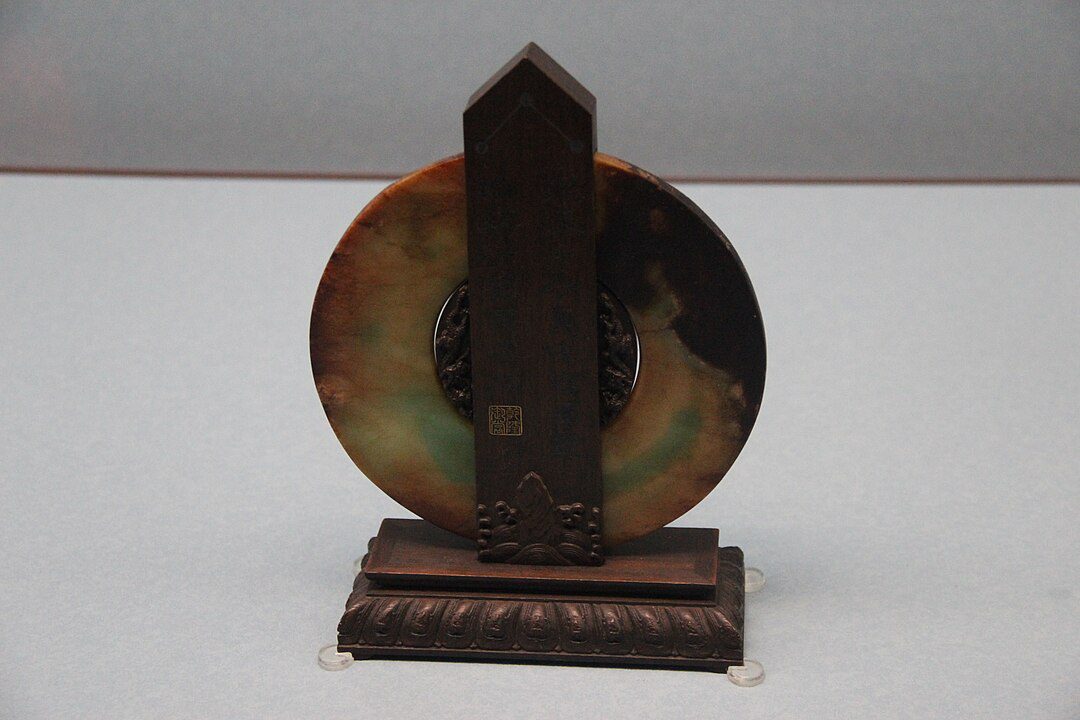
When you find metal items with a natural patina, it often shows age and authenticity. This gentle discoloration happens over time and can add character to pieces like copper pans or bronze antiques.
You want to avoid metals that look artificially cleaned or damaged. A good patina tells you the item has aged gracefully without harsh restoration.
Recognizing patina can help you spot valuable finds. It’s a sign the piece has history and might be worth more than a shiny new replacement.
Slight fading consistent with age
When you see gentle fading on an item, it can actually be a good sign. It shows the piece has some history and hasn’t just been artificially aged or damaged.
This kind of wear usually means the colors or materials have naturally aged over time. If the fading is even and matches the item’s overall condition, it often points to authenticity.
Keep in mind, too much fading or sudden discoloration might mean damage. But slight, consistent fading can make your find genuinely valuable and unique.
Dovetail joints in wooden furniture
When you spot dovetail joints in furniture, it’s a good sign of quality craftsmanship. These joints interlock pieces of wood tightly, providing strength without nails or screws.
You’ll often find dovetails in drawer corners or box constructions. Hand-cut dovetails especially suggest the piece may be older or handmade.
If you’re browsing thrift stores, check the dovetail quality. Neat, tight joints mean the furniture was built to last, so it might be worth a closer look.
Expected wear that shows regular use
When you spot consistent wear on an item, it often means it was well-loved and used over time. Look for natural fading on fabrics or a gentle patina on metals. These signs usually show the piece wasn’t simply neglected or damaged.
Avoid items with uneven wear or obvious repairs, as these can indicate damage or poor maintenance. Regular use wear can actually add character and authenticity, helping you identify valuable thrift finds.
Unique vintage Japanese action figures
When you spot vintage Japanese action figures at a thrift store, take a closer look. These figures, especially from the 80s and 90s, can sometimes be quite valuable.
You want to pay attention to their condition and rarity. Figures from popular series or limited editions tend to attract collectors.
If the figure is still in its original packaging, that can boost its value even more. Keep an eye out for unique styles or brands that are less common outside Japan.