Old linens are one of the easiest household items to demote to rag status without a second thought. Stained tablecloths and yellowed pillowcases don’t exactly look like collectibles, and cutting them up for cleaning cloths feels like the practical choice.
But certain vintage textiles are genuinely sought after, and cutting into the wrong piece can mean destroying something worth real money. Check for these six categories first.
Hand-Embroidered Tablecloths
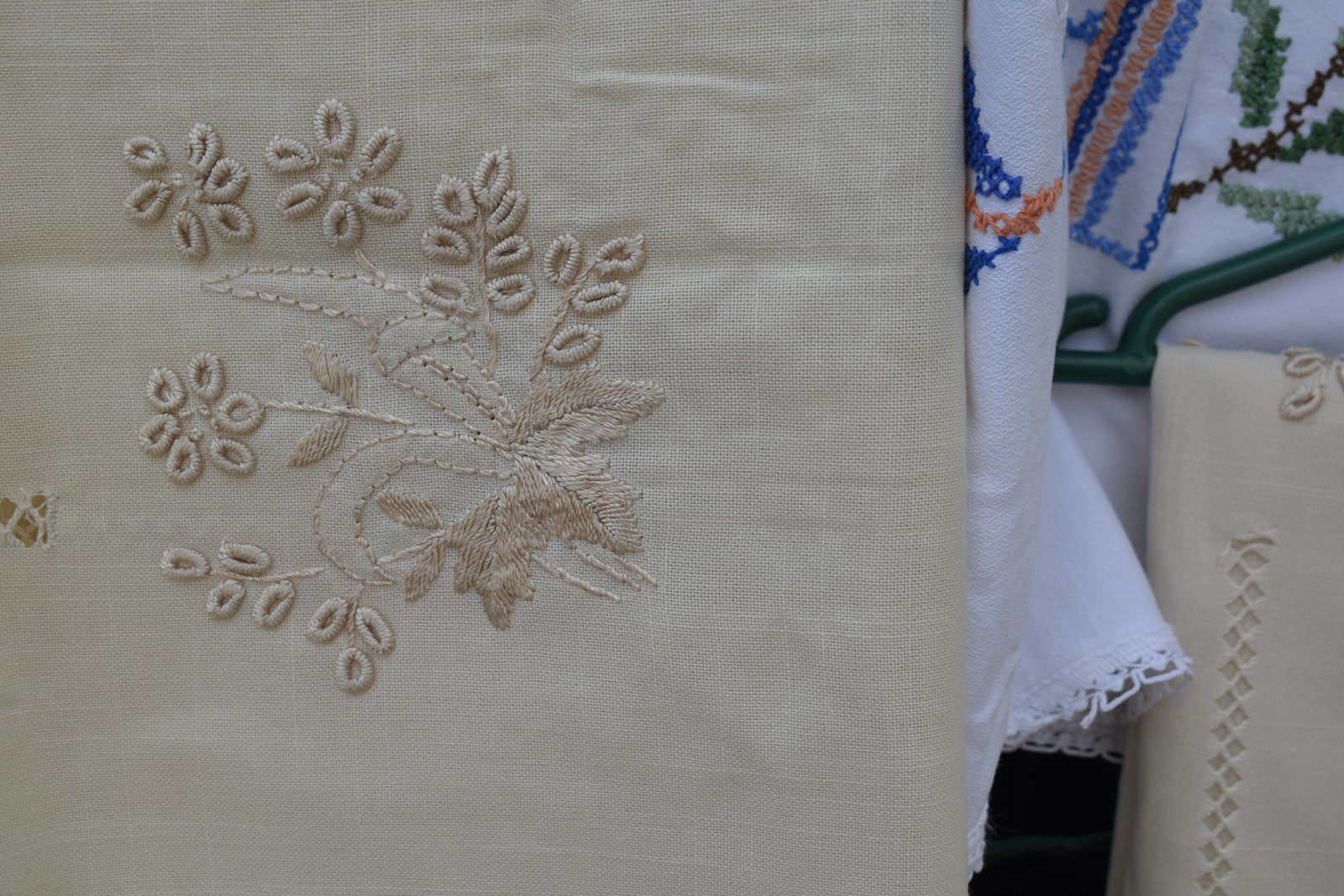
Tablecloths and runners with intricate embroidered florals or scenework, especially those with visibly hand-done stitching, appeal to collectors who focus on needlework and textile history. Look closely at the stitches themselves; slight irregularities and the raised texture of hand embroidery differ noticeably from the flat, consistent look of machine work.
The fastest check is the back. Hand embroidery leaves knots, thread tails, and strands that jump from one motif to the next, and no two flowers are quite identical. Machine embroidery looks nearly as tidy on the back as on the front, and repeated motifs match exactly.
What raises interest is fine, dense stitching, a large size, and matching napkins still with the tablecloth. What lowers it is holes, fabric that tears easily when tugged, and dark stains in the center. Stains can sometimes be treated, so research a piece before deciding one makes it unsalvageable. Start with a cool soak and a mild detergent, and keep it away from chlorine bleach and a hot dryer.
Tatted and Crocheted Lace Doilies
Delicate lace doilies made with tatting or fine crochet represent hours of skilled handwork, and well-preserved examples, especially in unusual patterns or larger sizes, have a following among textile and lace collectors. Because these pieces are small and easy to overlook, set aside anything with detailed lacework instead of lumping it in with plain hemmed napkins headed for the rag pile.
You can tell the two techniques apart without a magnifier. Tatting is built from tiny knots drawn into rings and arches, usually edged with small thread loops, and it feels firm for its size. Crochet is made of interlocking loops and chains, so it is softer and comes in a wider range of textures. Machine-made lace is flatter and perfectly regular.
Very fine thread, an intricate pattern, a matched set, and clean, unbroken work all add appeal. Rust-colored spots and snapped threads take it away. Store keepers flat, and sell ordinary ones as a group, since single doilies are slow to move.
Monogrammed Linens
Pillowcases, napkins, and handkerchiefs with elaborate hand-embroidered monograms were once a hallmark of a well-stocked linen closet, and quality examples remain popular with collectors and decorators who appreciate the craftsmanship. A beautifully worked monogram, even one that doesn’t match your family’s initials, can still hold decorative and resale value, so judge the embroidery quality before assuming unfamiliar initials make a piece worthless.
Good hand monograms are raised. The letters are padded underneath and covered with close, smooth stitches, so you can feel them standing up from the cloth. Thin, flat lettering with a papery backing is later machine work.
Count what you have. A full set of matching napkins is more useful to a buyer than three strays, and a pair of pillowcases beats a single. Heavy, smooth linen or cotton, large letters, and crisp unfrayed hems all help. If a piece is too damaged to use, cut out and save the monogram panel for a small pillow or a frame.
Chenille Bedspreads
Textured cotton bedspreads with tufted patterns, often in bold mid-century colors, are a specific and nostalgic collecting category. Certain patterns and colorways are harder to find than others, and even well-worn examples with some tuft loss can be useful to buyers who repurpose them for pillows and decor projects, according to chenille collecting guides.
That guide, written by a vintage fabric seller, puts age first. It estimates pre-1940s hand-tufted spreads at $150 to $500, 1940s and 1950s production at $75 to $300, and 1960s and 1970s spreads at $25 to $100. Treat those as one seller’s estimates, not appraisals.
Within each group, the guide says florals lead, with large rose designs the most sought after, and full-size spreads outrank twins. Condition moves the number sharply: a spread in good condition is put at 60 to 75 percent of the same one in excellent condition. Look for a cotton backing, fuzzy cut-yarn tufts, and any surviving label.
Feed Sack Fabric
Cloth sacks replaced many barrels and tins for flour, animal feed, and other bulk goods in the mid-19th century, according to textile collecting resources, and families turned the empty bags into clothing and household textiles for decades. Surviving fabric, especially whole sacks and pieces with a printed brand name still visible, is of interest to quilters and vintage textile collectors.
The printed kind came later. The Smithsonian’s National Museum of American History notes that by the 1940s manufacturers were turning out bags in bright colors and printed designs, believing the woman of the house would choose the brand with the most attractive fabric. A cotton shortage during World War II made reusing them a necessity.
To spot one, look for a rectangle of printed cotton with a line of small needle holes along one or two edges, left when the sack’s seam was picked out. Whole sacks, matching pieces, and bright unfaded prints are the ones to keep intact.
Handmade Quilts
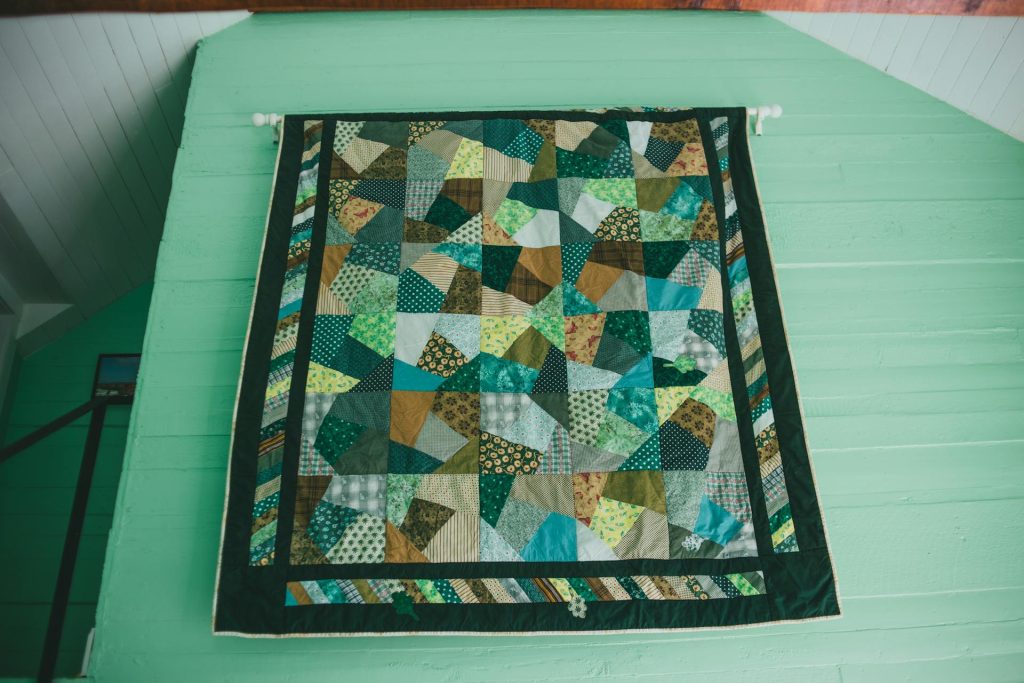
A worn quilt stored away for decades might seem too damaged for anything but rag use, but hand-stitched quilts can carry both historical and monetary value even with some wear, according to a guide to thrifting quilts. Photograph and research any quilt with visible hand stitching before cutting it up.
The same guide suggests a simple test: hold two fingers an inch apart over the quilting and count. Nine even stitches in that inch points to remarkable work. Perfectly uniform lines mean a machine did the quilting, while small irregularities are evidence of a person. It also names Double Wedding Ring, Log Cabin, and Ohio Star among the prized patterns.
If you keep one, storage matters. The Canadian Conservation Institute’s advice on flat storage for textiles is to line the container with prewashed cotton sheeting or unbuffered acid-free tissue, pad every fold, and refold regularly so creases do not set. It also warns that unsealed wood gives off harmful vapors, so line a wooden chest first.