When we think about baby products, we often picture cute onesies, colorful rattles, and—the ever-important—car seat. But if we take a stroll down memory lane, we’ll find some shocking relics from the past that would make today’s parents raise their eyebrows in disbelief. You’ll be amazed (and maybe a little horrified) at some baby items that were once all the rage but would be downright illegal today. Grab your favorite mug, and let’s chat about these quirky throwbacks!
The Baby Cage
Picture this: it’s the 1920s, and you’re living in a high-rise apartment with no balcony. What do you do? Why, you hang your baby in a cage outside the window, of course! The “baby cage” was designed to give infants fresh air and sunshine while dangling several stories above the street. Today, not only would that be a major safety hazard, but you’d probably also get some serious side-eye from your neighbors. It’s hard to believe anyone thought this was a good idea, but it sure was a thing back then!
The Rocking Cradle
This isn’t your grandma’s rocking cradle; this is a cradle that rocked itself—well, sort of. In the early 1900s, some cradles were designed to be pushed by a string, allowing the baby to rock back and forth while you went about your business. Sounds convenient, right? But with today’s safety standards, these contraptions are a no-go. Can you imagine the horror of a baby getting tangled up in a string? Yikes!
Lead-Painted Toys
Ah, the good ol’ days when toys were painted bright colors—often with lead-based paint. Yes, you read that right! Toys from the mid-20th century often contained lead, which we now know is toxic and can cause all sorts of health issues. While many parents trusted these toys, it’s a relief that today’s regulations have banned lead in children’s products. Honestly, who needs a toy that doubles as a health hazard?
The Baby Walker
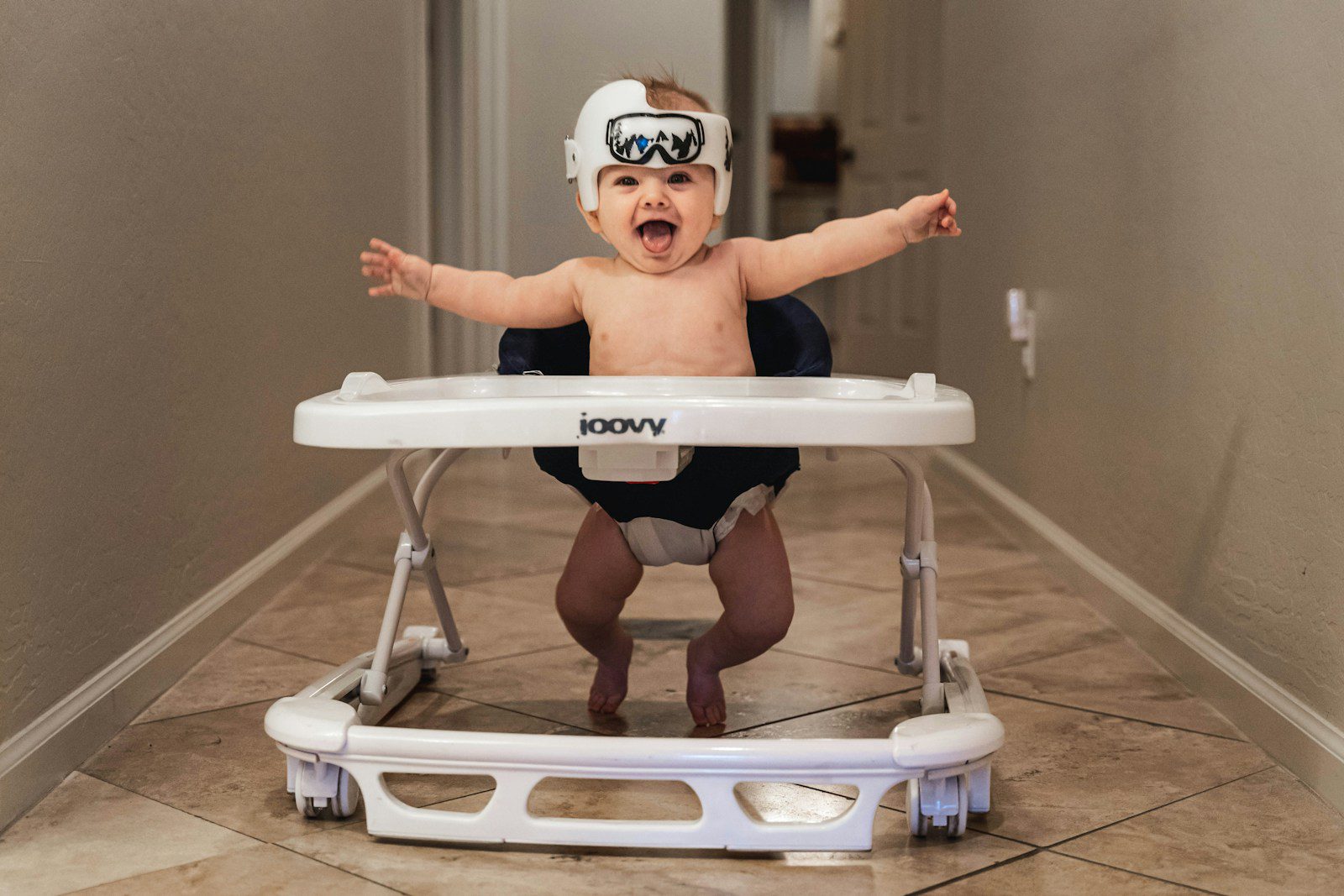
Baby walkers were once a staple in many households, giving babies the illusion of mobility while they zoomed around the house. However, statistics show that these little devices can lead to serious injuries. In fact, many pediatricians now advise against them altogether, citing that they can encourage babies to move before they’re ready and increase the risk of falls. So while they might have been a popular choice for many parents, they’re now more likely to end up in the “what-were-they-thinking” hall of fame.
Infant Sleep Positioners
In the early 2000s, infant sleep positioners were marketed as a way to keep babies in a safe sleeping position. However, these products have been linked to a higher risk of suffocation and sudden infant death syndrome (SIDS). It’s hard to believe that something designed to help babies sleep better could actually be so dangerous! Thankfully, the FDA has since warned against their use, and they’re now a thing of the past.
Baby Bouncers with Dangerous Features
You might remember those bouncers that could bounce, sway, and even vibrate. While they sound fun, some of these products had features that could easily pose dangers, like unstable frames or excessive vibrations that could be harmful to a baby’s developing brain. Nowadays, bouncers are designed with safety in mind, and you won’t find any of those old-school contraptions on the shelves. It’s all about keeping those little ones safe while they bounce around in style!
Wooden High Chairs with No Safety Straps
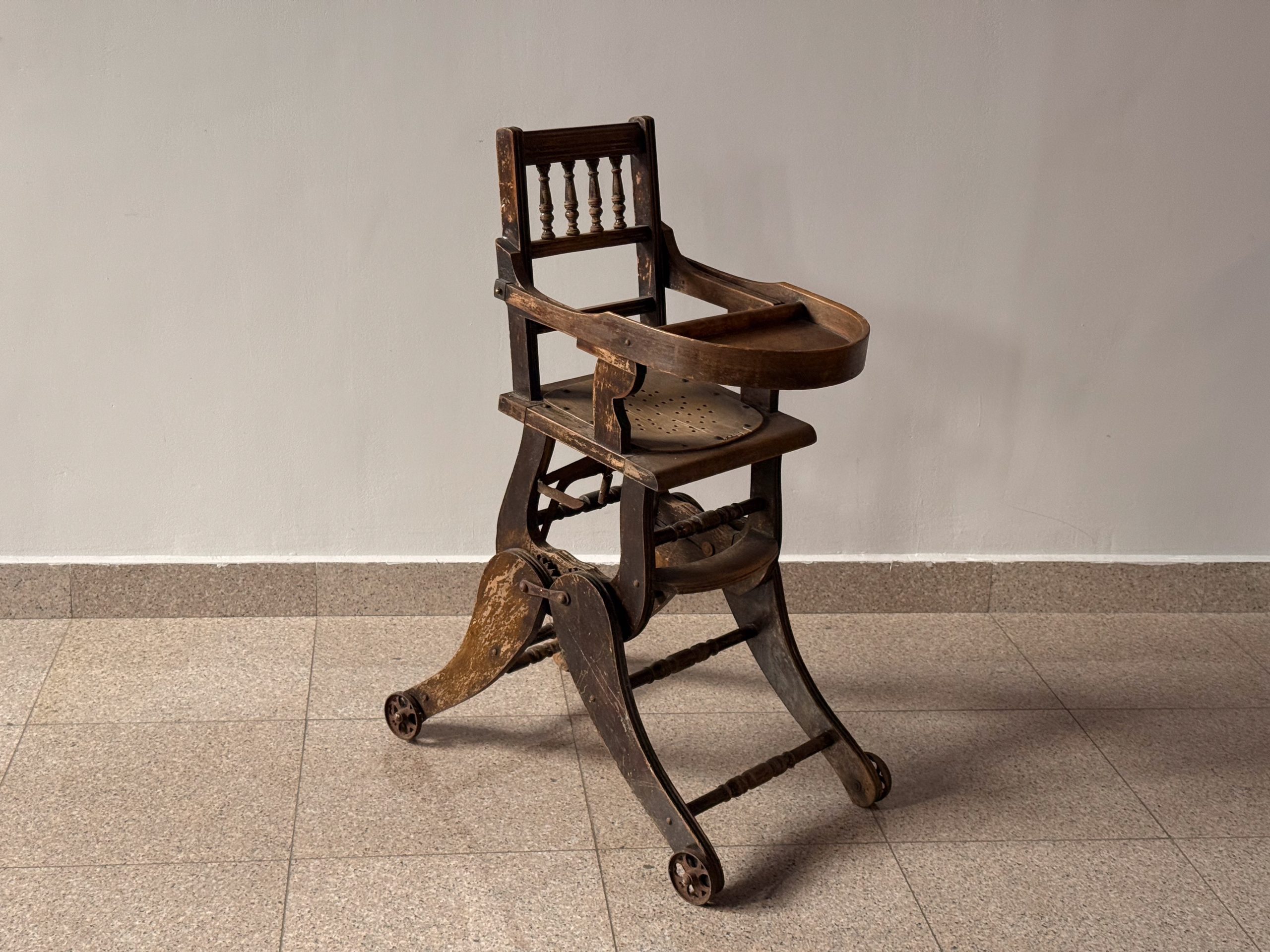
High chairs have come a long way from their wooden predecessors. Back in the day, many high chairs didn’t come with safety straps, leaving babies to wobble precariously on their own. Can you imagine the chaos? Today’s high chairs are designed with safety in mind, often featuring five-point harnesses to keep little ones secure. It’s a relief to see that parents today can focus on mealtime instead of worrying about their baby making a daring escape from the dinner table!
From baby cages to lead-painted toys, it’s wild to see how far we’ve come when it comes to baby products. While some of these items may seem laughable or downright scary now, they reflect a different time when safety standards were… let’s just say, a little less rigorous.