Beauty trends from the past often seem strange from today’s perspective, but some were more than just odd—they were actually risky. You might be surprised how many old beauty hacks involved ingredients or methods that could harm your health rather than help it.
Understanding these outdated practices helps you appreciate how far beauty standards and safety have come over time. Knowing what people once tried can also make you think twice before jumping on new trends without a bit of research.

Lead-based makeup for pale skin
If you wanted that flawless pale look back in the 18th century, lead-based makeup was your go-to. People used a product called Venetian ceruse, basically white paint made from lead, to get that ghostly complexion.
It might sound fancy, but it was seriously toxic. Using it over time caused skin damage, hair loss, and even lead poisoning. So while you were rocking that porcelain skin, your health was quietly taking a hit. Not exactly the beauty hack you’d want today.
Arsenic face powder
Using arsenic in your face powder sounds wild, but people actually did it to get a pale, flawless look. The idea was that a smooth, white complexion was the height of beauty.
Unfortunately, arsenic isn’t just a harmless ingredient; it’s a poison. Applying it to your skin repeatedly could cause serious health problems over time.
Some even ingested arsenic, thinking it would improve their beauty or health. This practice often led to organ damage and, in extreme cases, death.
Nowadays, arsenic is strictly off-limits in cosmetics, thankfully. But back then, it was just another ingredient in the dangerous beauty toolbox.
Tapeworm diet pills
If you wanted to lose weight in the Victorian era, one bizarre option was swallowing tapeworm eggs. People took pills containing live parasites, hoping the worms would help shed pounds by eating what you ate.
It sounds crazy, but many actually bought and swallowed these pills. The idea was that the tapeworm would live inside you and reduce your appetite.
The reality was much darker. This “diet” often caused malnutrition, seizures, and sometimes even death. So, while it promised a quick fix, it was definitely not safe or smart.
Radium teeth whitening
You might be surprised to learn that radium was once used in teeth whitening products. Back in the 1920s, people believed radium’s glow could brighten your smile and make it look more radiant.
Brands added radium to powders and creams, claiming it would rejuvenate your teeth. The problem? Radium is radioactive, and using it on your body exposed you to serious health risks without you even realizing it.
Luckily, these products were discontinued once the dangers became clear. But for a while, you could have been unknowingly putting harmful radioactive substances on your teeth just to look good.
Lysol as birth control
You might be surprised to learn Lysol was once used as birth control. Back when contraceptives were illegal, many women turned to douching with Lysol after sex.
It wasn’t safe. The product was a strong disinfectant, and using it internally caused burns, infections, and even poisoning.
Despite its risks, Lysol was marketed as a feminine hygiene product and birth control for decades. But it didn’t actually prevent pregnancy, and many women still got pregnant while using it.
Crocodile dung facial masks
If you think your skincare routine is weird, ancient Egyptians took it to another level. They used masks made from crocodile dung mixed with mud and even fermented wine.
The idea was that this mix could tighten your skin and reduce wrinkles. Sounds intense, right? But the bacteria in the dung often caused infections instead of glowing skin.
So, while they believed it was a beauty booster, it was actually pretty risky for your face. Definitely not something you’d want to try today.
Extreme heat curling with metal irons
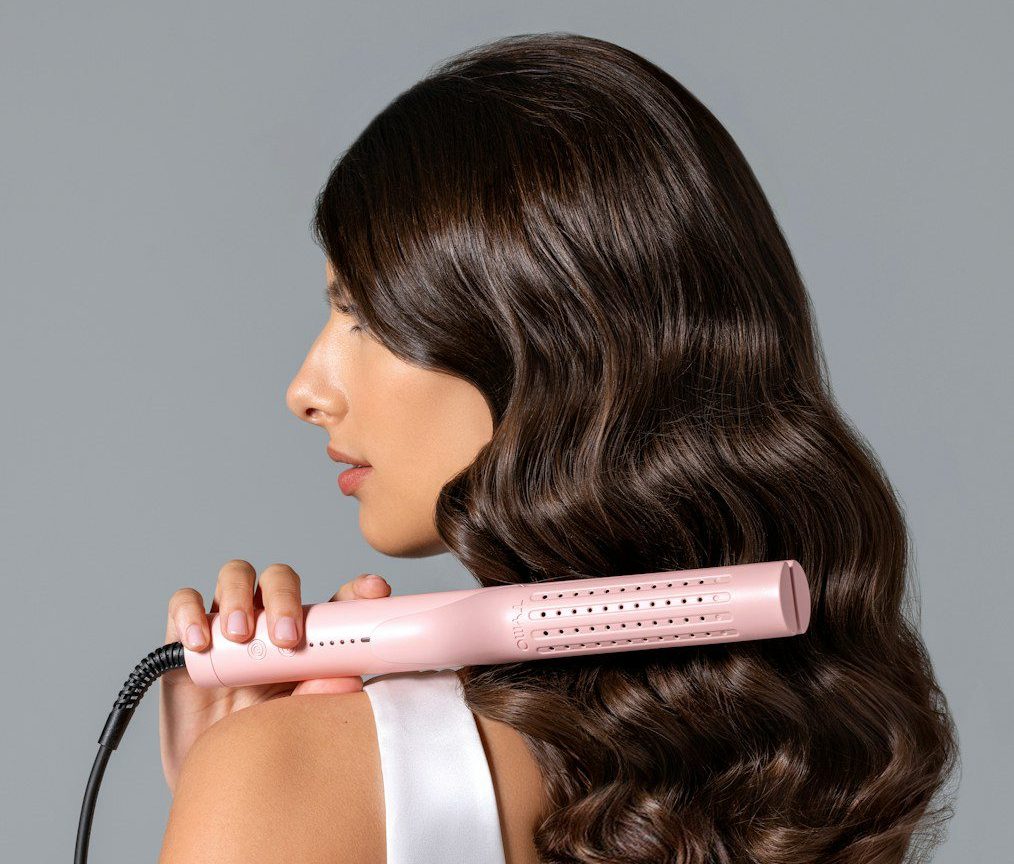
Using metal curling irons without temperature control was pretty common but risky. These irons could get way too hot, which often led to burns or damaged hair cuticles.
When you curl big sections of hair with extreme heat, the outer layers can burn while the inside stays less affected. This uneven heat can cause breakage and dryness over time.
If you want to avoid damage, using tools with ceramic or tourmaline plates helps. They distribute heat more evenly and lock in moisture, protecting your curls better than plain metal irons ever did.