We’ve all been there: strolling down the grocery aisle, eyeing the colorful labels and catchy slogans that promise the world. “Superfood!” “Detox!” “All-natural!” They’re like sirens calling out to us, whispering sweet nothings that make us think we’re making healthy choices. But hold on—some of these drinks are more akin to a cleverly disguised dessert than a health elixir. Let’s take a closer look at seven beverages that might be fooling you into thinking they’re doing your body a favor when, in reality, they’re just sweet-talkers.
1. Flavored Water
Ah, flavored water—the drink that tries to convince you it’s just as good as the real deal. It’s like the cousin who shows up at family gatherings and claims to be a gourmet chef because they added a slice of lemon to their dish. Sure, it’s refreshing, but many brands hide a hefty amount of sugar under that fruity façade. Some can pack in as much sugar as a can of soda. So if you’re reaching for that peach-kiwi sparkling water thinking it’s a health win, check the label first. You might be better off just infusing your own water with some fresh fruit and herbs.
2. Smoothies
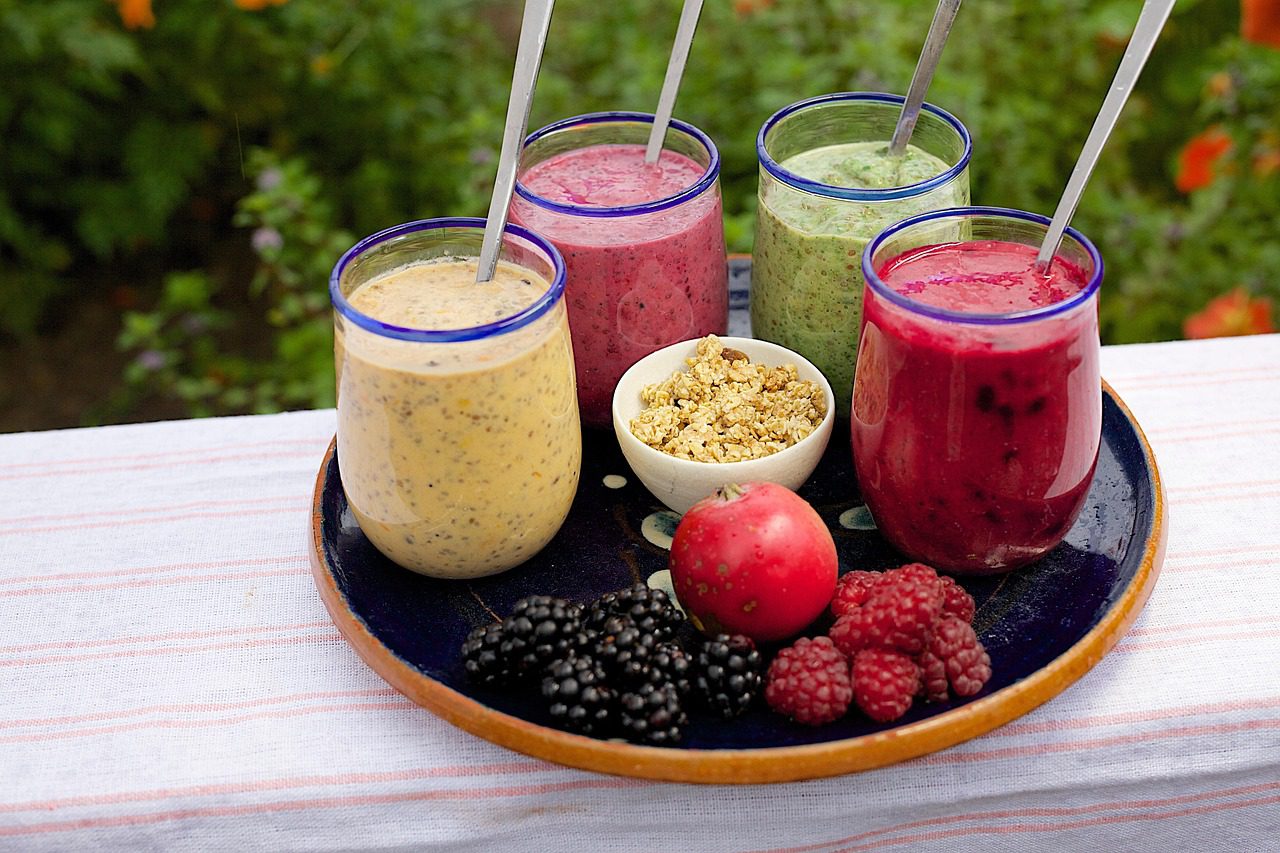
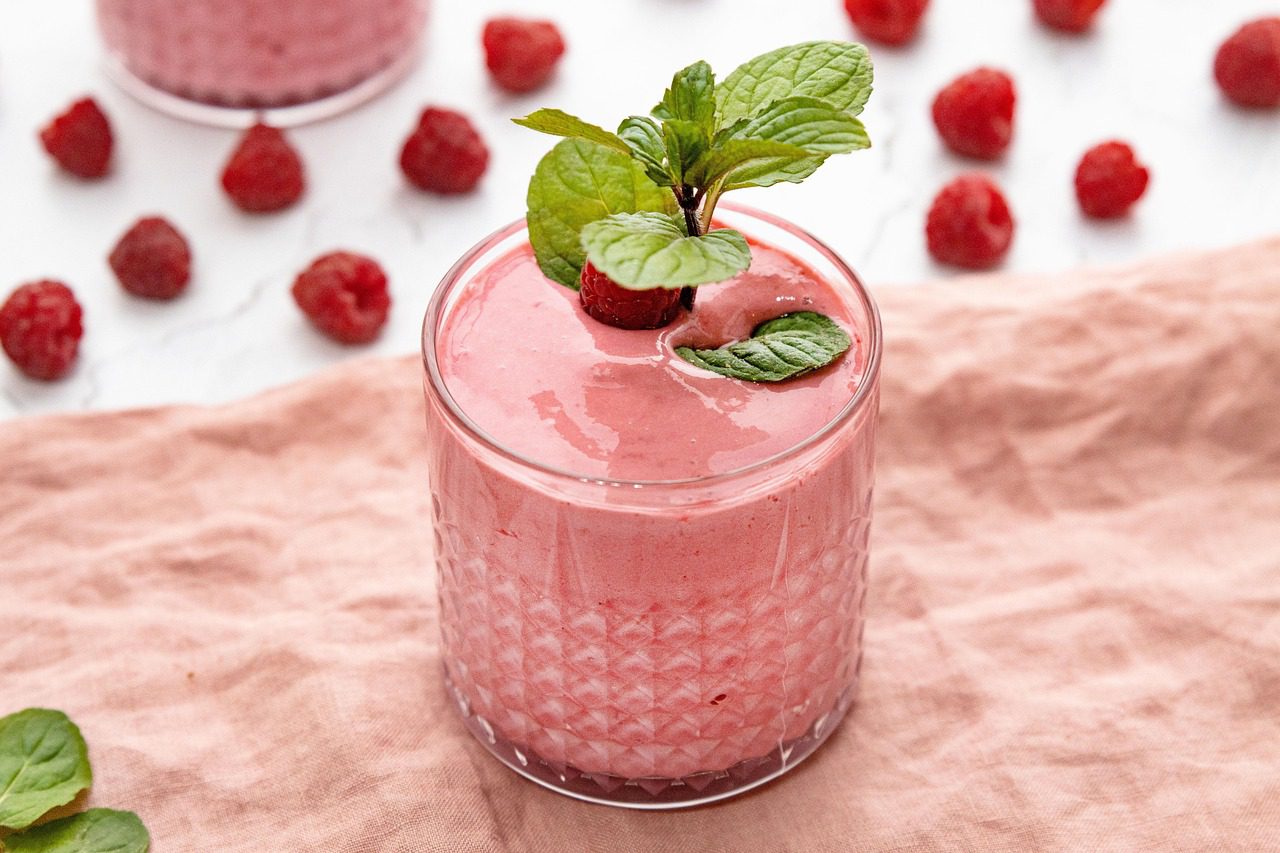
Don’t get me wrong—smoothies can be a fantastic way to get your fruits and veggies in one delicious package. But if you’re grabbing one from a juice bar or store, watch out! Many commercial smoothies are loaded with added sugars, syrups, and even ice cream. It’s quite easy to turn a healthy blend of spinach and bananas into a calorie bomb with just a few extra ingredients. If you’re making your own, go easy on those sweeteners and stick to whole foods for the best nutrition.
3. Energy Drinks
Energy drinks are like that friend who always shows up ready to party but leaves you feeling drained afterwards. They promise to boost your energy and focus, but a quick glance at the ingredients reveals a cocktail of sugar and caffeine that can lead to a crash harder than a toddler after a birthday party. Plus, their high caffeine levels can cause jitters and anxiety. If you need a pick-me-up, maybe consider a nice cup of green tea instead. It gives you a gentle lift without the rollercoaster ride.
4. Coconut Water
Coconut water has been marketed as the ultimate hydration drink, but let’s not get too carried away. While it does have some electrolytes, it can also come with a side of sugar that’s often overlooked. Depending on the brand, some coconut waters can have as much sugar as a soda. If you’re exercising heavily or need a refreshing drink after a long day, go for the real thing—plain water. It’s always a solid choice!
5. Bottled Iced Tea
Ah, iced tea—the quintessential summer refreshment. But before you pop the cap on that bottled version, check the label. Many bottled iced teas are swimming in added sugars and artificial flavors, turning your supposed health drink into a sugary sweet treat. You’d be surprised by how many calories are lurking in those convenient bottles. Brew your own at home! It’s super easy, and you can control what goes in it. Plus, you can experiment with flavors like mint or peach without the guilt.
6. Protein Shakes
Protein shakes can be a great post-workout boost or meal replacement, but not all shakes are created equal. Some store-bought varieties are packed with sugar, unhealthy fats, and even mystery ingredients you can’t pronounce. They may promise to help you build muscle or lose weight, but they might just be empty calories in disguise. When in doubt, try making your own with natural ingredients like Greek yogurt, fruits, and a scoop of your favorite protein powder. You’ll know exactly what’s going into your body.
7. Fruit Juices
Fruit juice sounds innocent enough, right? Who wouldn’t want to sip on something that sounds so wholesome? But here’s the kicker: many fruit juices—even those labeled as “100% juice”—can be just as sugary as soda. They lack the fiber found in whole fruits, which means they can spike your blood sugar faster than you can say “orange juice.” If you’re craving that fruity goodness, opt for whole fruits instead. You’ll get the fiber and a more balanced nutrient profile, plus it’s a whole lot more satisfying!